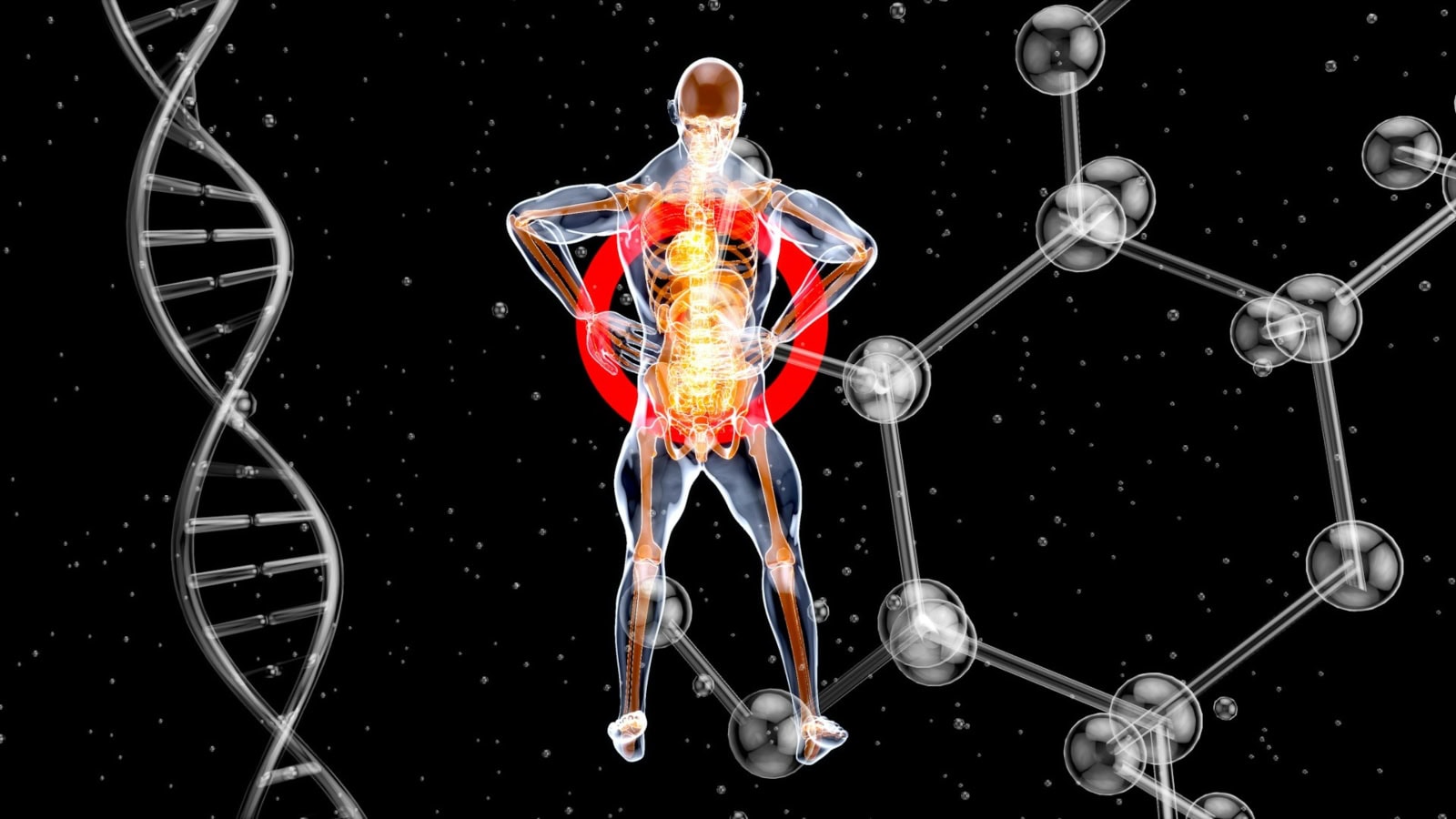
The company aiming to slow down aging
Ananda Labs is developing novel solutions for aging-related conditions from wrinkles, to scars to a more youthful immune system through epigenetic editing.

Ananda Labs is developing novel solutions for aging-related conditions from wrinkles, to scars to a more youthful immune system through epigenetic editing.
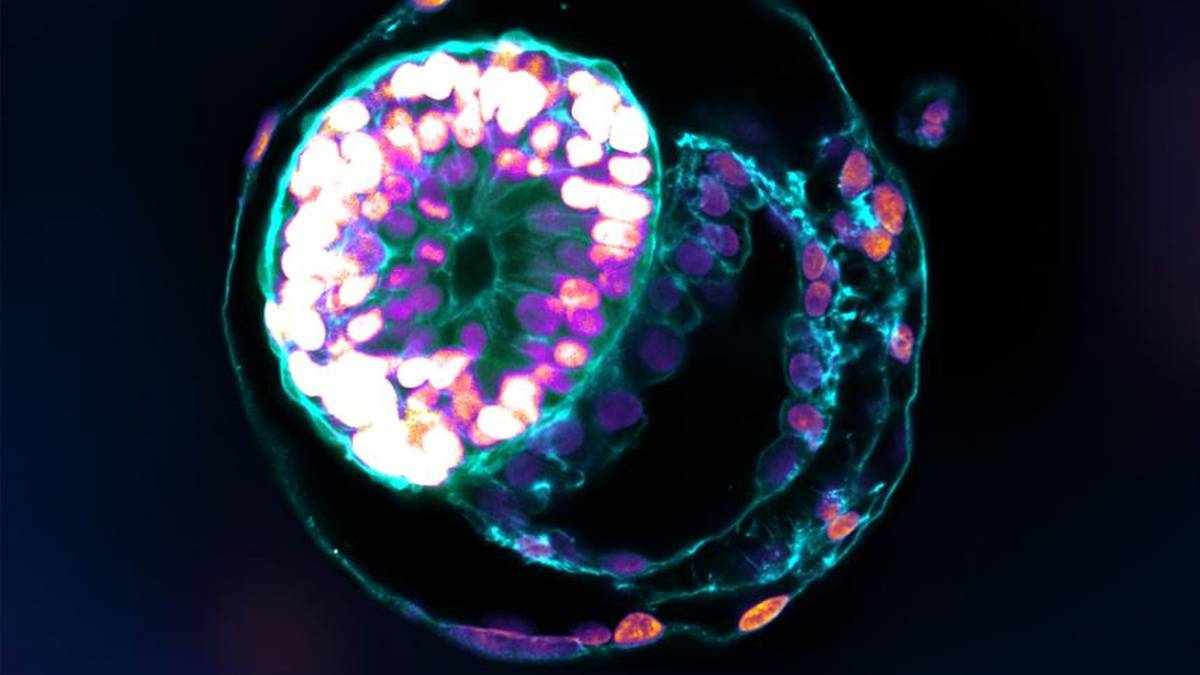
The embryo models, created from adult human skin cells and cultivated stem cells, could improve fertility research.

Unique stem cell system from Israel is expected to contribute to the development of drugs adapted to men and women.
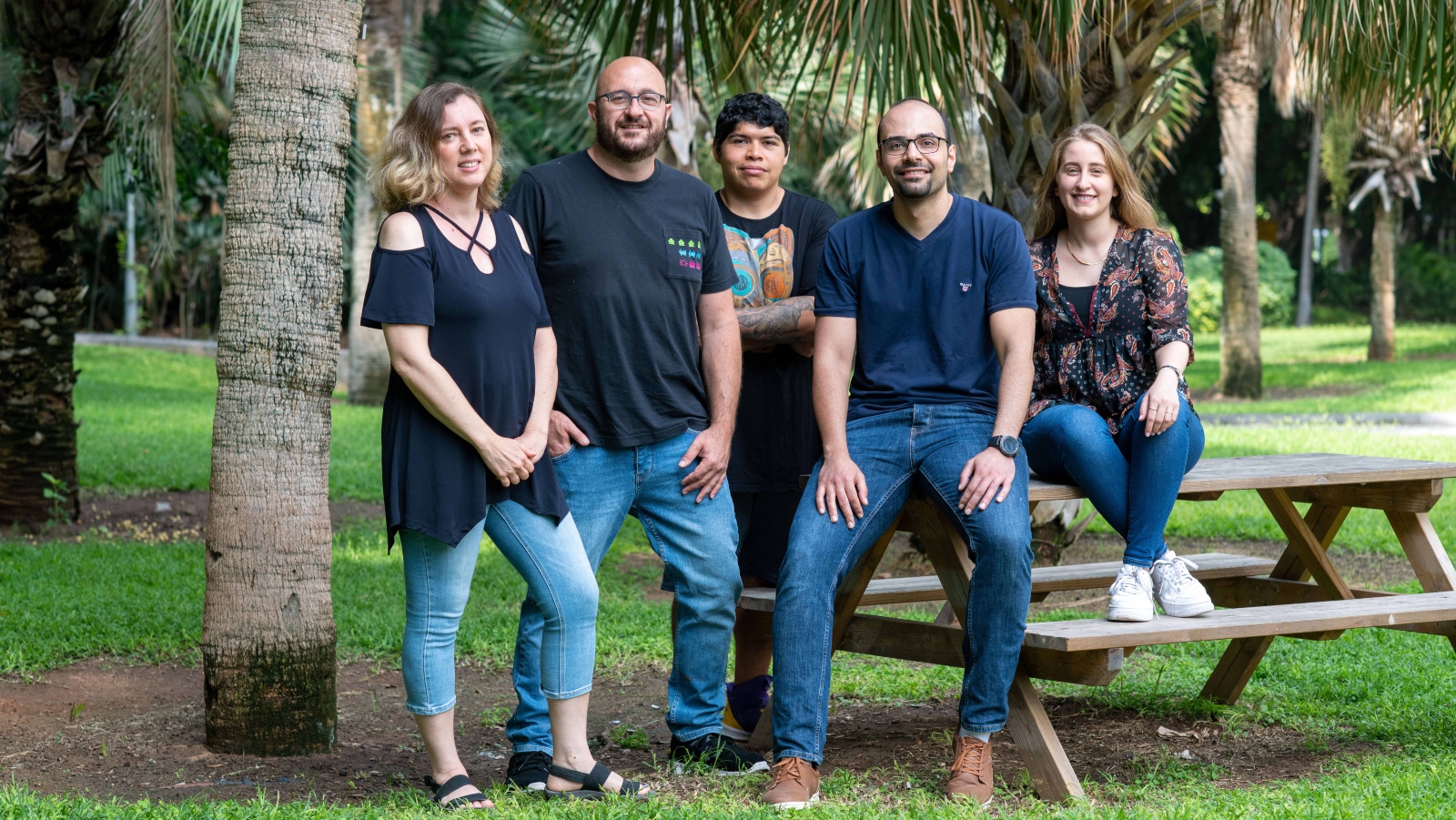
Synthetic mouse embryo models were made solely from stem cells, outside the uterus, at Weizmann Institute of Science.

Groundbreaking technique could provide a path toward creating whole human embryos from human skin cells, without the need for sperm or eggs.

Kadimastem aims to render needles a thing of the past for diabetes patients by developing a stem-cell mechanism that creates insulin in the body.

BrainStorm Cell Therapeutics’ NurOwn platform enhances a patient’s own adult stem cells to halt progression of incurable neurodegenerative diseases.

Israel’s Nano Dimension uses an inkjet process to print living human tissue in 3D. Next step, a printed liver or heart?
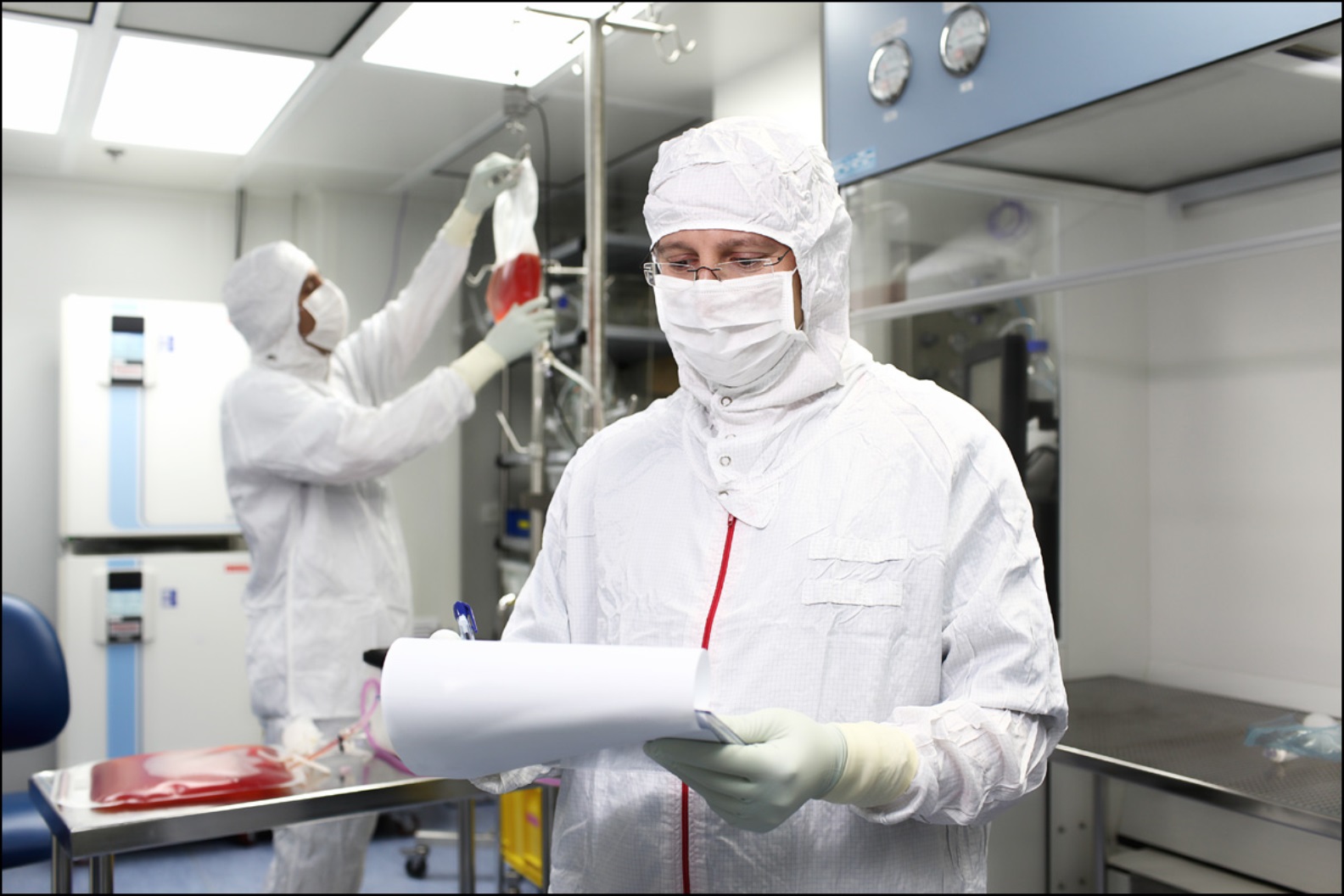
Fukushima Medical University signs deal with Pluristem Therapeutics to further develop the company’s PLX-R18 cells to treat acute radiation syndrome.
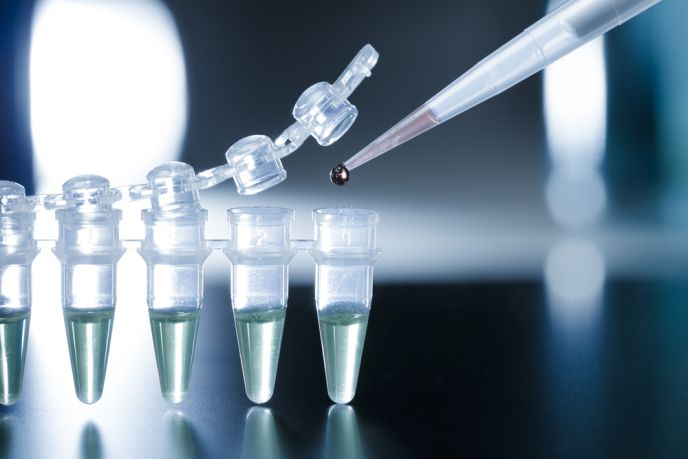
Israel’s Kadimastem is testing its technology for differentiating pluripotent stem cells into a range of functional human cells.

From the first blood test for cancer to inventions that can save your life, and a reinvented wheel, we look back at some of our most exciting stories of the year.

BrainStorm’s NurOwn enhanced adult stem cells seem to halt the progression of incurable neurodegenerative diseases.

Investment funds to be used for stem cell therapy treatments for blood cancers.

Israel-Canada venture will promote a culture of discovery, innovation, excellence and commercialization of new therapies for heart disease.

Weizmann discovery makes moral and legal questions surrounding embryonic stem cells moot, because they won’t be needed anymore.