
Researchers embark on unusual study of sexuality in wartime
A new study shows that war-related images affect sexual function and satisfaction, but challenges assumptions that acute stress will cause a universal decline.

A new study shows that war-related images affect sexual function and satisfaction, but challenges assumptions that acute stress will cause a universal decline.

Scientists discover a method to determine whether a soil sample, such as mudbrick, was burned down or collapsed, helping resolve ancient mysteries.

A color-coded problem-solving model empowers children with and without special needs to take responsibility for achieving their goals.

Researchers overcome photodynamic therapy’s main constraint of limited target range by integrating nanotechnology into the treatment process.

New study challenges previous beliefs about the domestication and evolution of both table and wine grapes.
Revolutionary approach utilizes a form of machine learning to analyze ionospheric total electron content data.

Just 24 hours of water vapor data is all scientists needed to predict with high accuracy where a dangerous flash flood is likely to occur.
Israeli paper reviews the effect of different physical exercises on brain plasticity and the process of nerve cell formation.
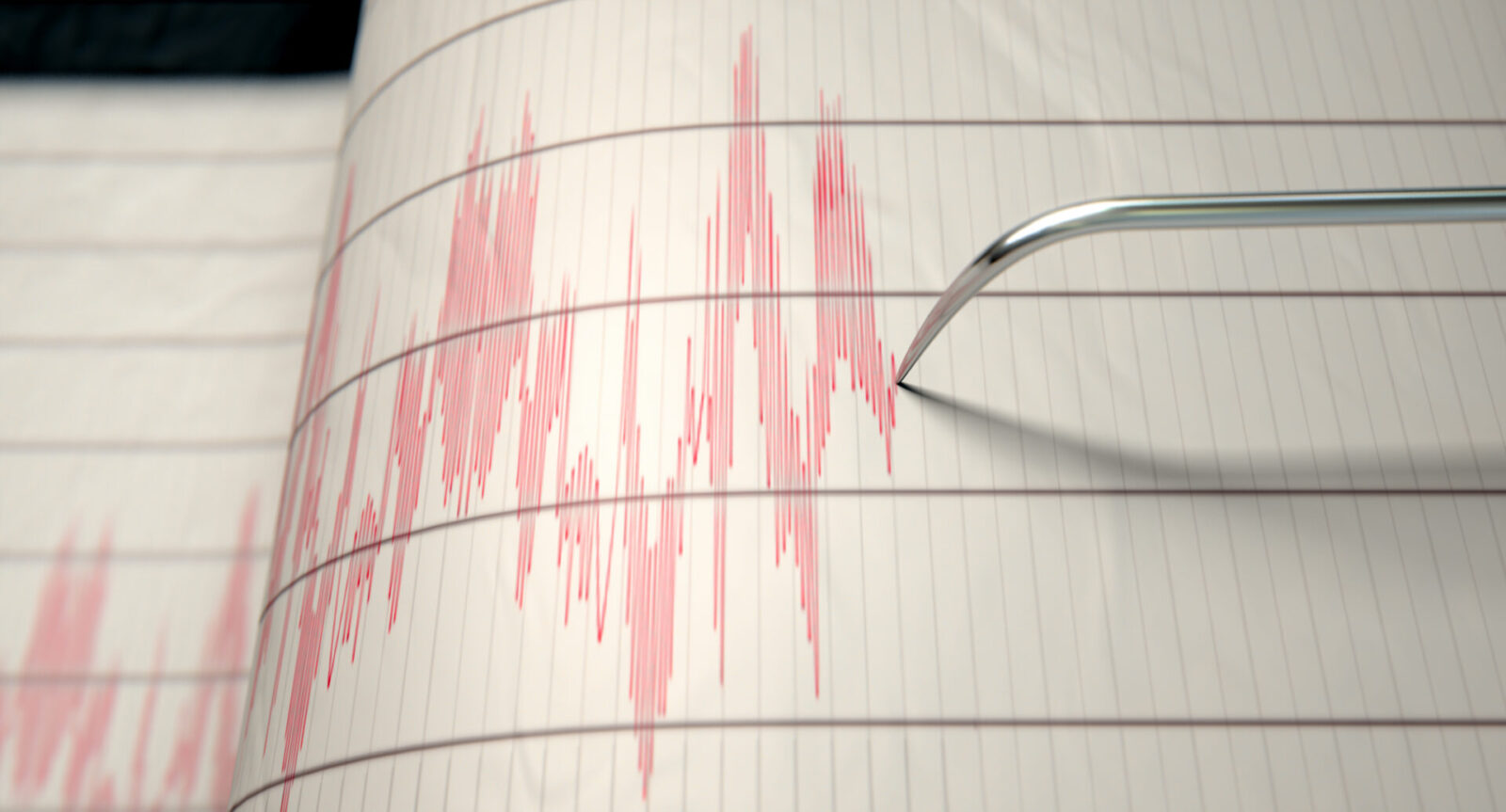
Israeli scientists say their method can forecast strong earthquakes up to 48 hours ahead with 80% accuracy.

Nutritionists examine efficacy and safety of cinnamon, capsaicin, black pepper and curcumin for weight reduction.

Radiation bursts in space can disrupt satellite activity, navigation systems, communications and electricity on Earth. Predicting them will help lessen their impact.

A field experiment in 23 Israeli fruit-and-vegetable markets finds blatant price discrimination based on gender and attractiveness.

Physical therapist Amit Abraham works with Israel’s Olympic rhythmic gymnastics team, dancers and Parkinson’s patients to use the mind to enhance physical performance.

Even those whose mental health improved after lockdown were vulnerable to physical symptoms of psychological distress.

New study finds bridge players say the card game improves mood, reduces stress, strengthens cognition and broadens social interactions.