
Major study shows gut microbes may impact course of ALS
The findings suggest that in the future, various means of altering the microbiome may be harnessed for developing new therapeutic options for ALS.

The findings suggest that in the future, various means of altering the microbiome may be harnessed for developing new therapeutic options for ALS.

Israeli researchers say that people given problems to solve as they inhaled did better on tests.

A Weizmann Institute of Science researcher is one of four winners of the international ‘Dance your PhD’ contest.

Israeli-German scientists use tiny satellites to give clouds ‘CT scans’ in an effort to help climate prediction.

Humans’ superior cognitive and adaptive abilities and their tendency to anxiety, depression and other mental diseases may be two sides of same coin.

‘If we understand exactly how the circuitry that we’ve discovered controls anxiety, this may help develop new drugs to alleviate its symptoms.’

European Research Council created a 10-episode web comic to illustrate research it funded at the Weizmann Institute in a memorable and engaging way.

A new approach to identifying ‘signposts’ on malignant cells may help immune-system cells eliminate the skin cancer.
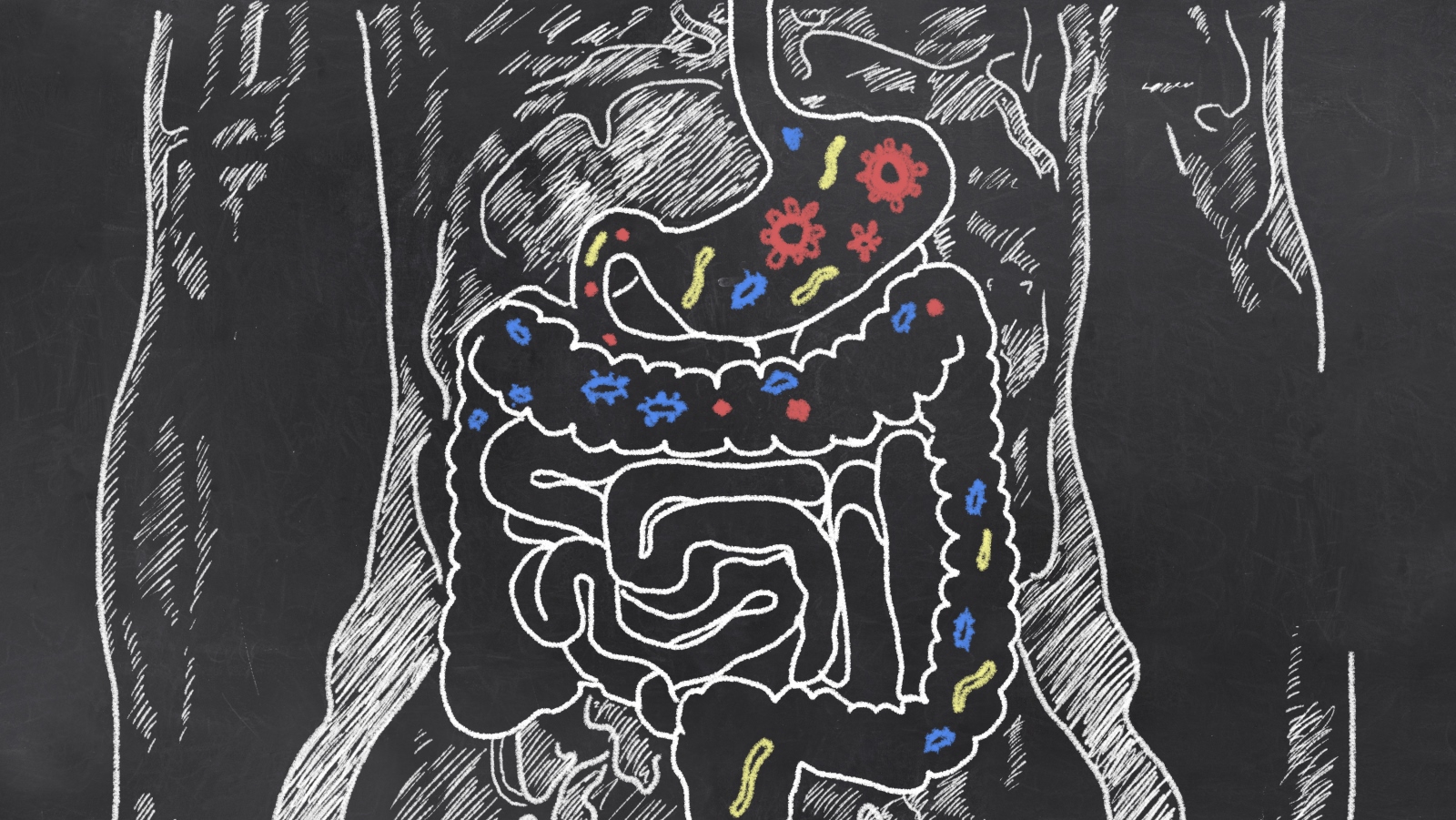
Results suggest that probiotics should not be given as a one-size-fits-all supplement or as a treatment to normalize the gut after antibiotics.

Israeli researchers formulate drug cocktail that shows promise in mice models for stopping resistance to kinase inhibitors.

The largest wildlife census in history shows that humans make up just 0.01% of living things on Earth, but have wiped out 83% of mammals, and half of plants.

10-day intercontinental project used a robot to enable high school students to engage in scientific experimentation together across the miles.

Israeli scientist Rony Dahan thinks he knows why immunotherapy hasn’t reached its full potential, and he aims to do something about that.
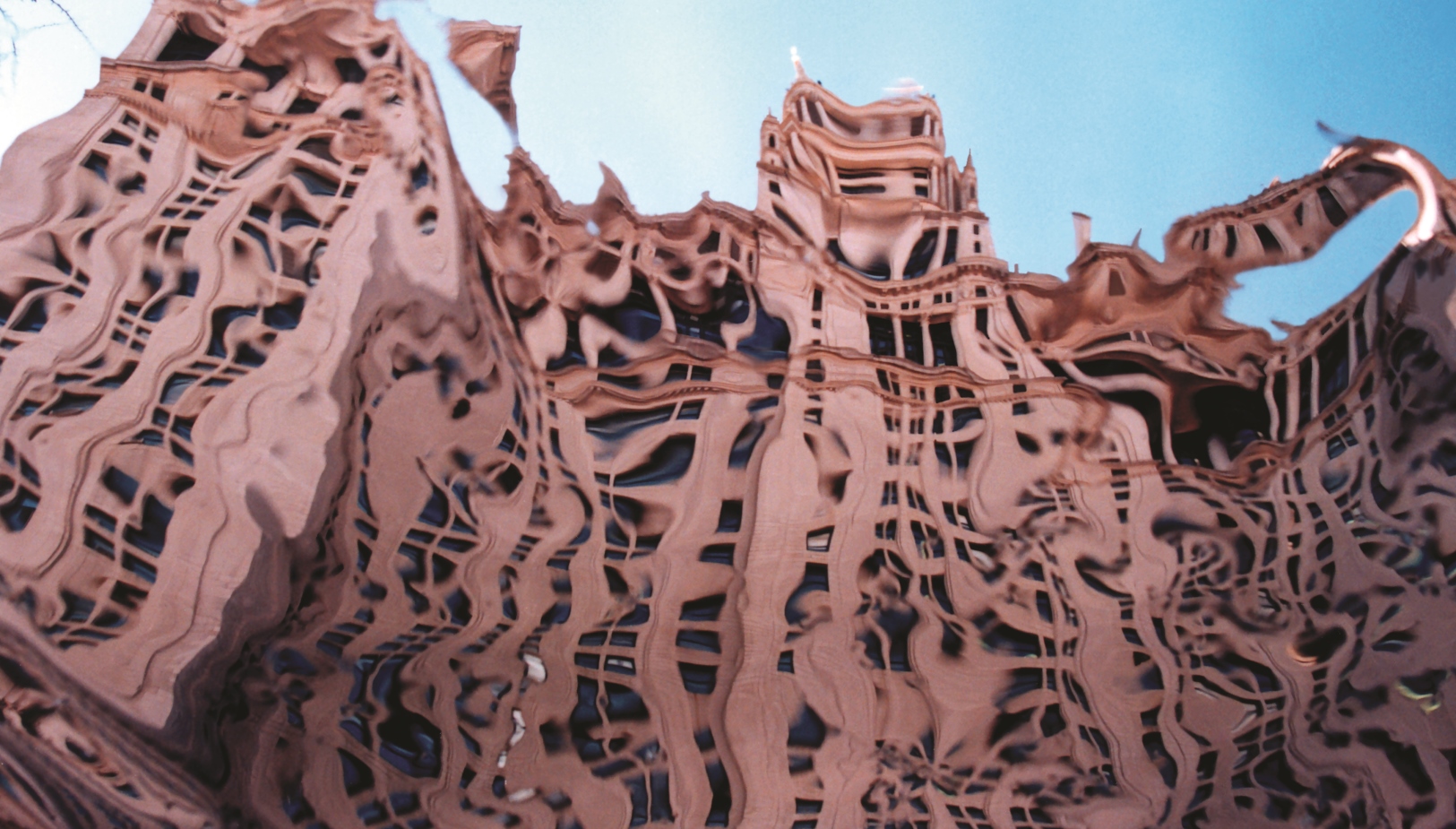
Israeli photographer Eitan Vitkon’s works at the Weizmann Institute of Science in Rehovot include buildings that look like they’re melting or dancing.

In groundbreaking study of the planet, researchers reveal that Jupiter’s atmosphere, including its famous stripes, is much bigger than scientists once thought.