
New tech clears space junk, improves satellite propulsion
An improved plasma thruster using Israeli technology can steer satellites out of harm’s way while using less power than chemical forms of propulsion.

An improved plasma thruster using Israeli technology can steer satellites out of harm’s way while using less power than chemical forms of propulsion.

The 2026 launch of the astrophysics space observatory of the Israel Space Agency and Weizmann Institute is expected to revolutionize research.

Communication systems on the nanosatellite and the ground station can reconstruct lost data in real time using smart signal processing algorithms.
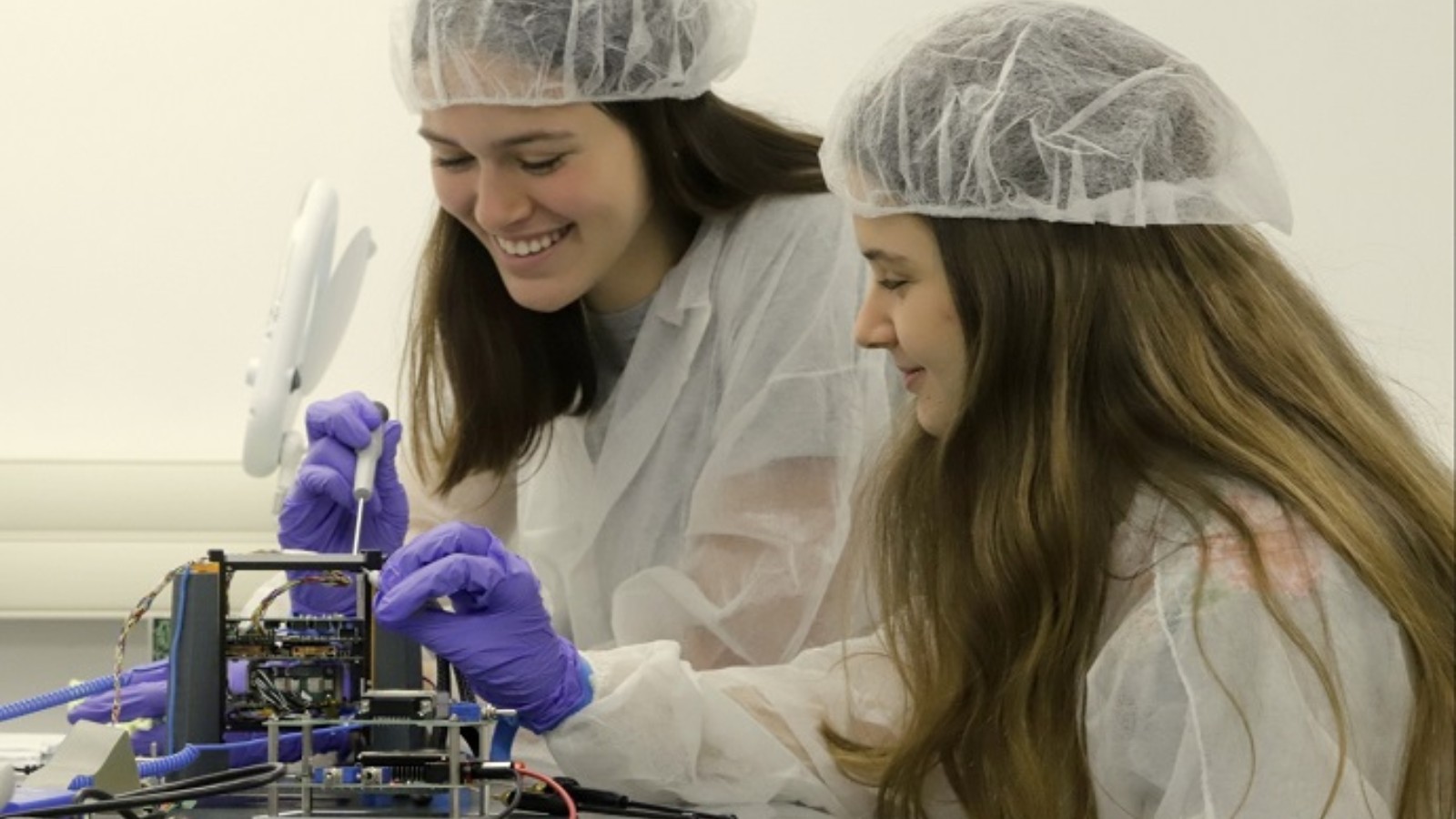
Students from eight Jewish and Arab schools spent three years building satellites and watched a live NASA feed as they took off for outer space.
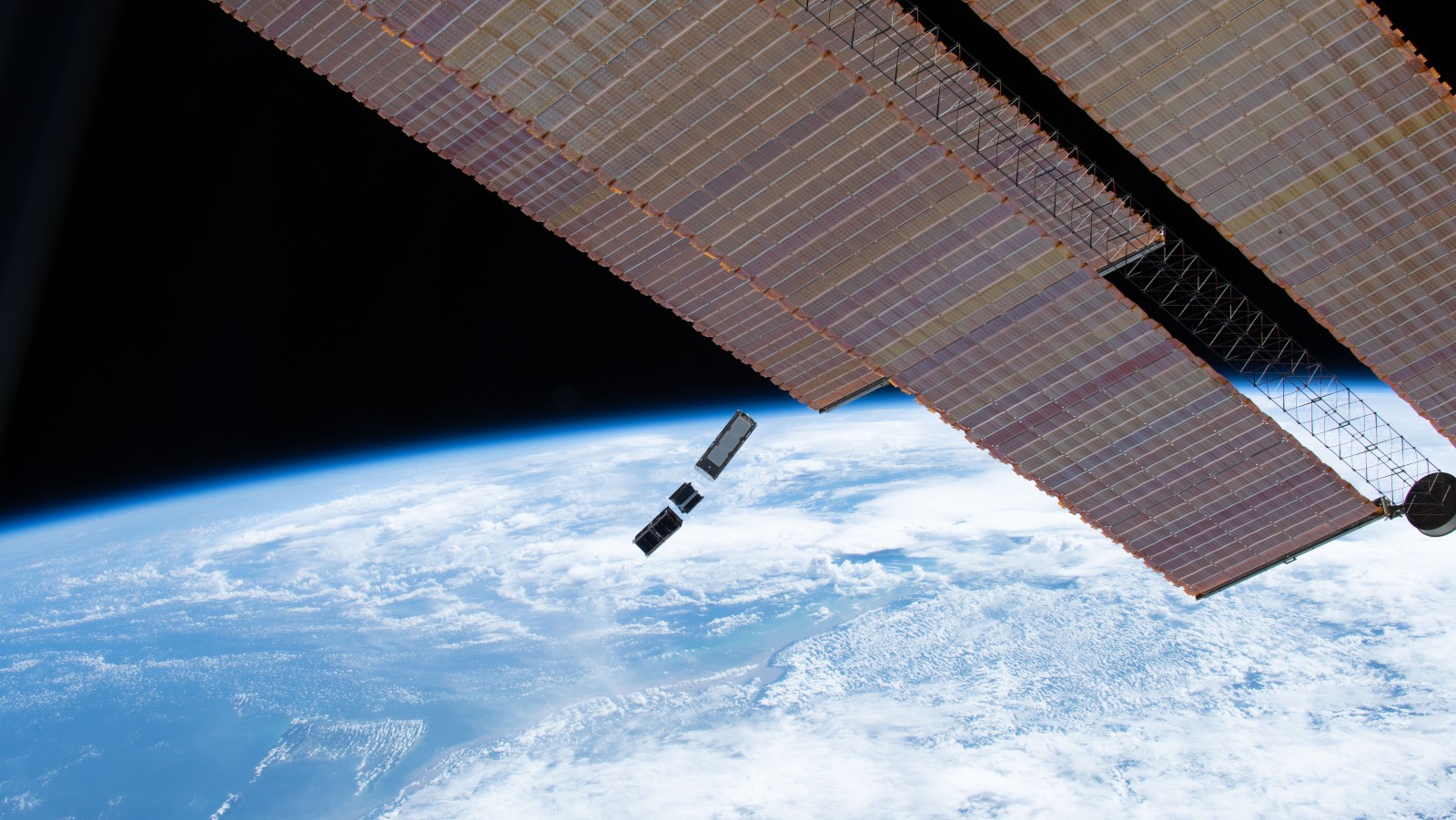
Ariel and Tel Aviv universities intend their nanosatellites to make the space world affordable and accessible to researchers anywhere.

Weizmann Institute of Science and the Israel Space Agency of the Ministry of Science and Technology are heading this international project.
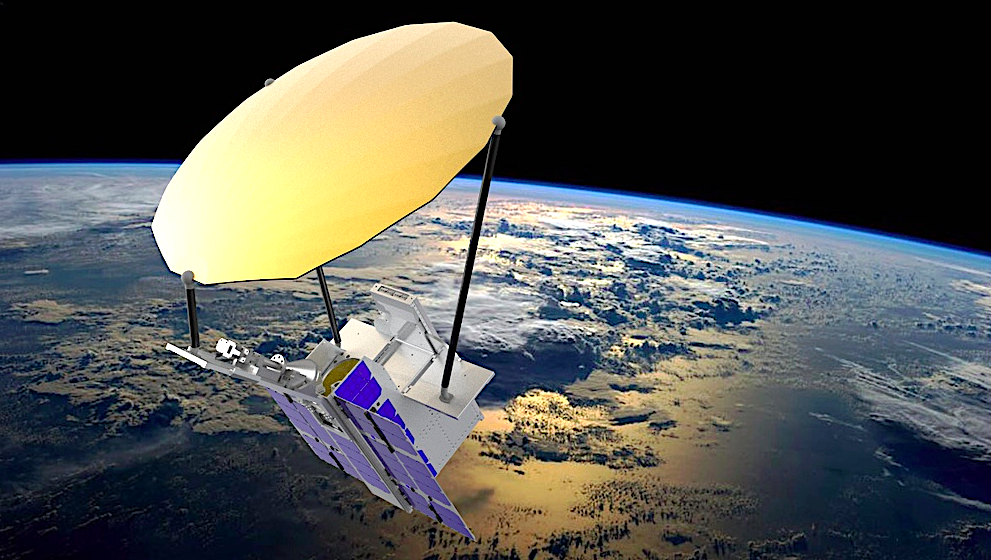
NSLComm’s NSLSat-1 to be tested by automotive, telecom and travel industries for its ability to meet growing connectivity demands at lower cost.
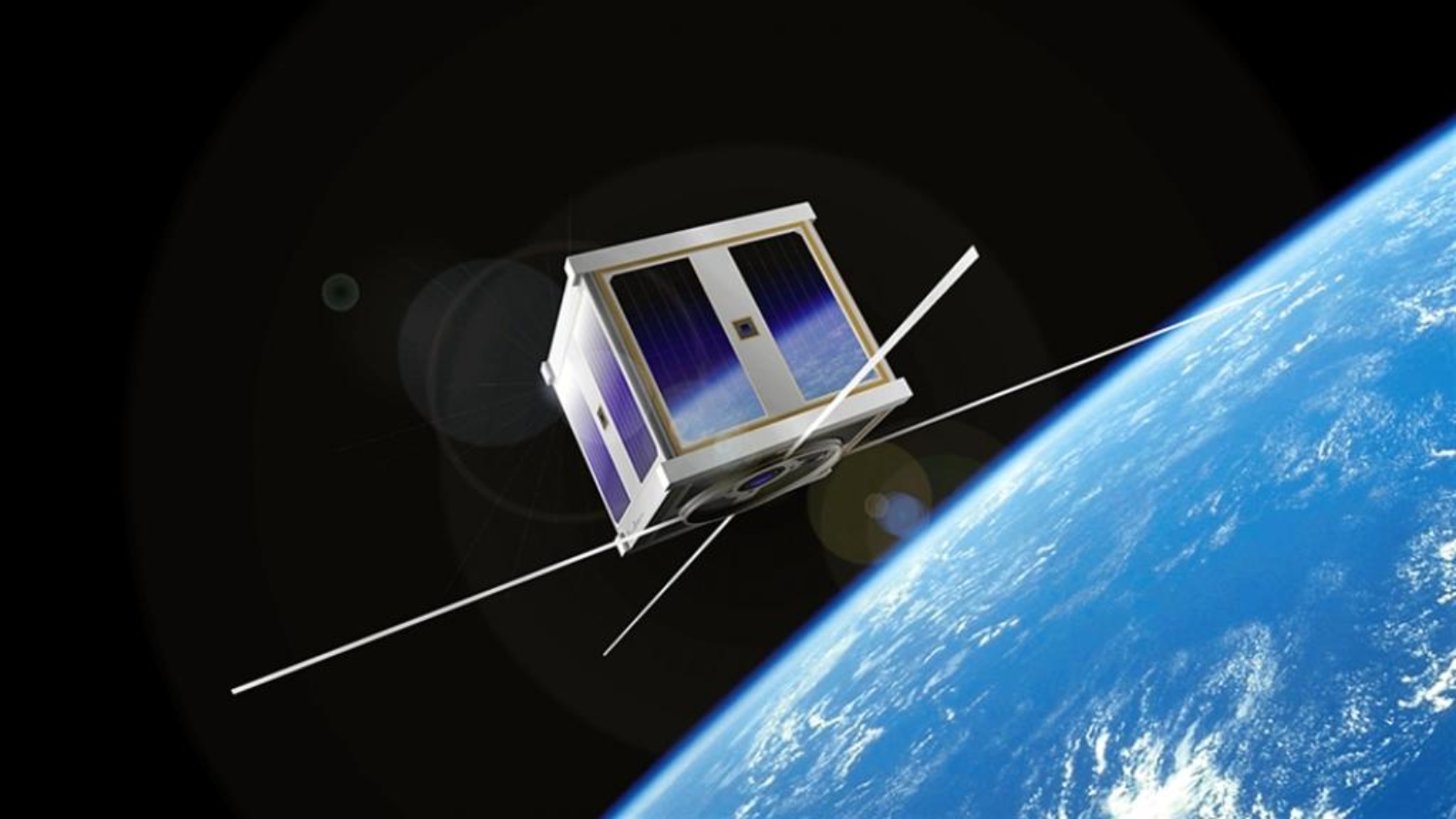
‘Pioneer was founded to support ambitious people on the frontier. A 17-year-old building microsatellites is an almost perfect depiction of that.’

Cheaper, more environmentally friendly rocket-engine technology offers same level of performance and control as toxic ‘legacy’ fuel.

Sky and Space Global’s ‘Pearls’ to be launched in 2019 and 2020 to provide communications solutions in remote equatorial regions.

Israeli startup to launch two Space Drones by 2020 after signing $100 million contract with a major satellite operator.
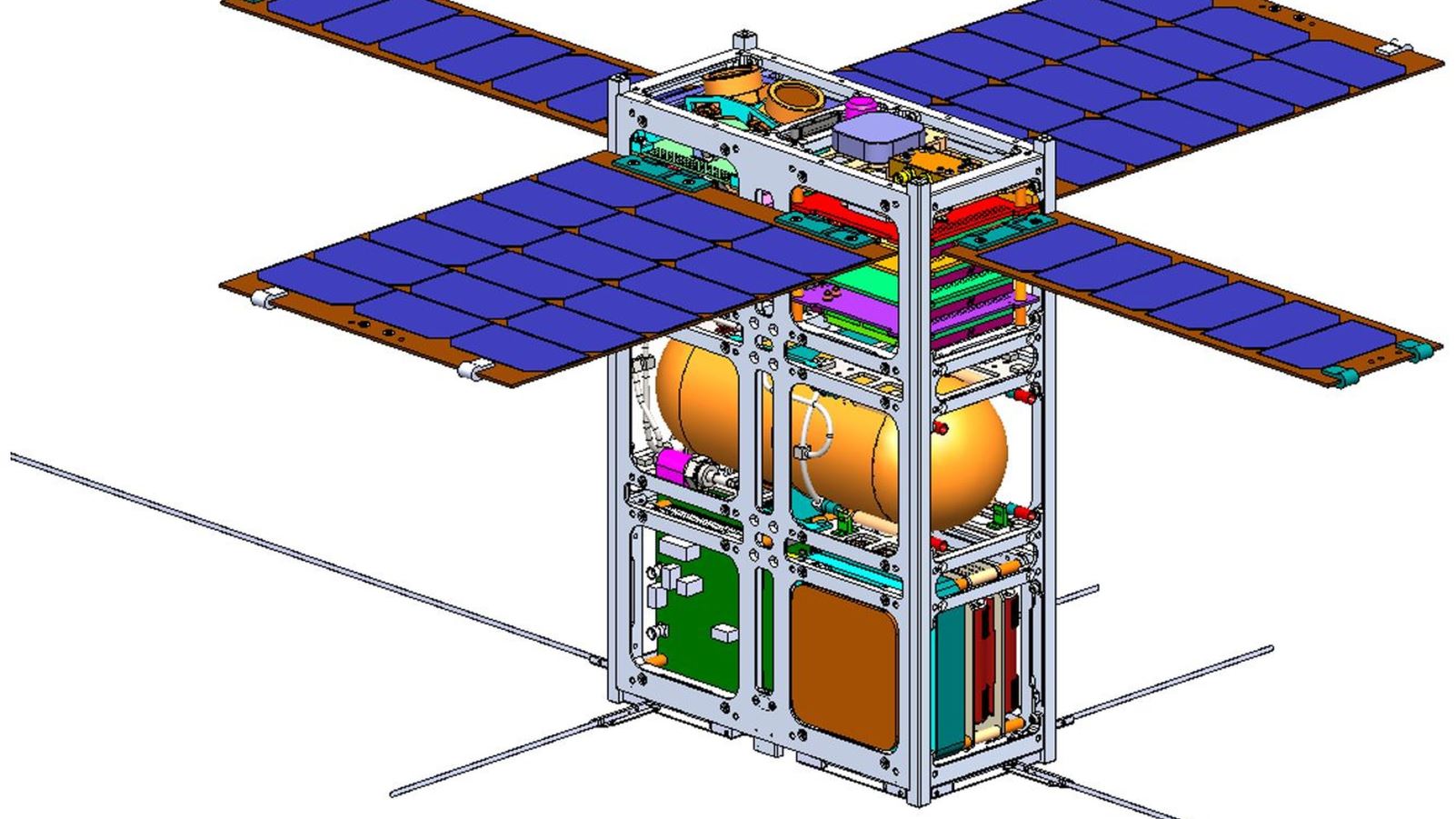
Nanosatellites, much less costly to launch than full-sized satellites, can enable high-speed Internet communication at significantly lower costs.
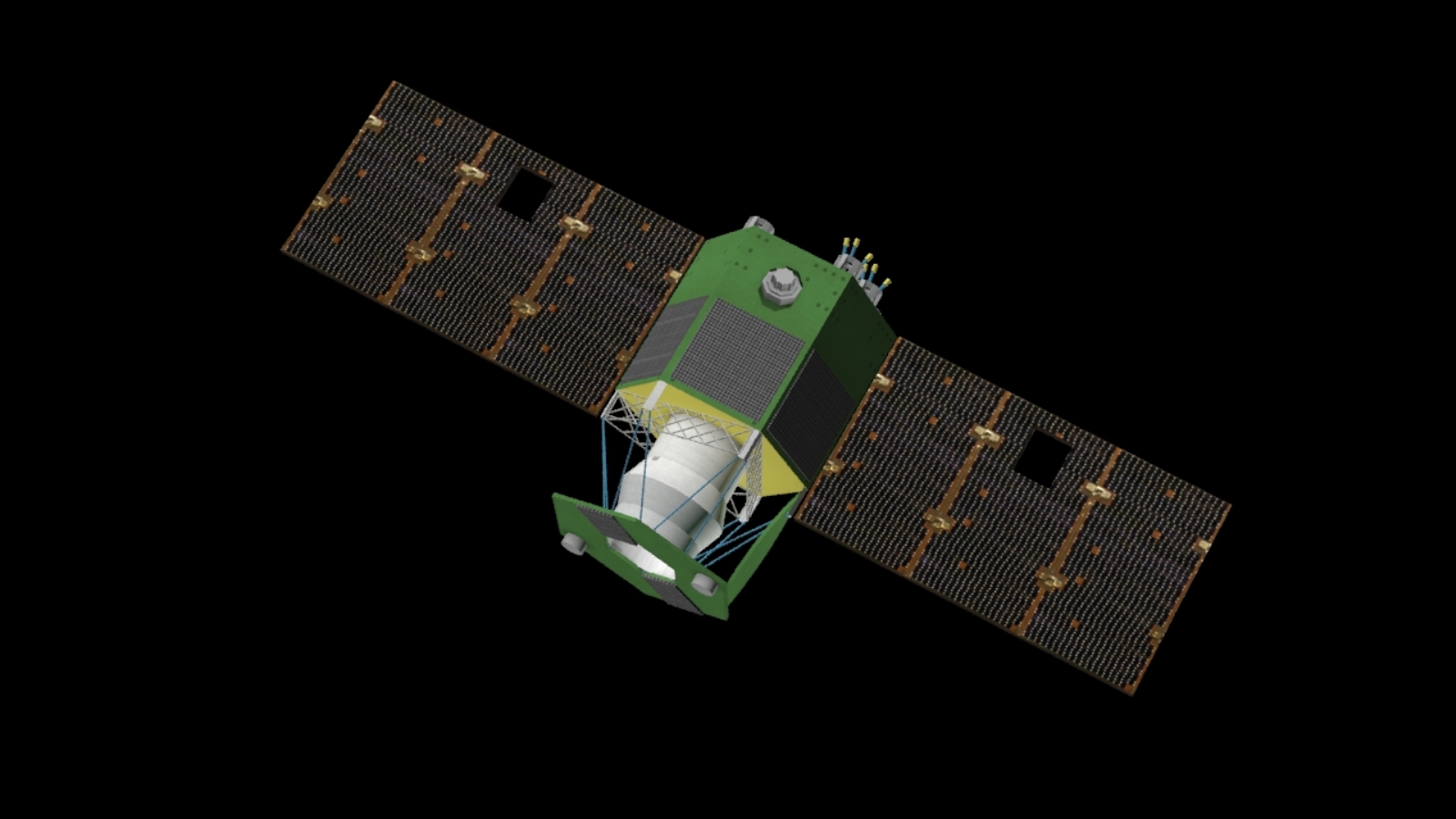
Made in Israel and launched in French Guyana, Venus will enable unprecedented imaging of the health of the Earth’s environment.
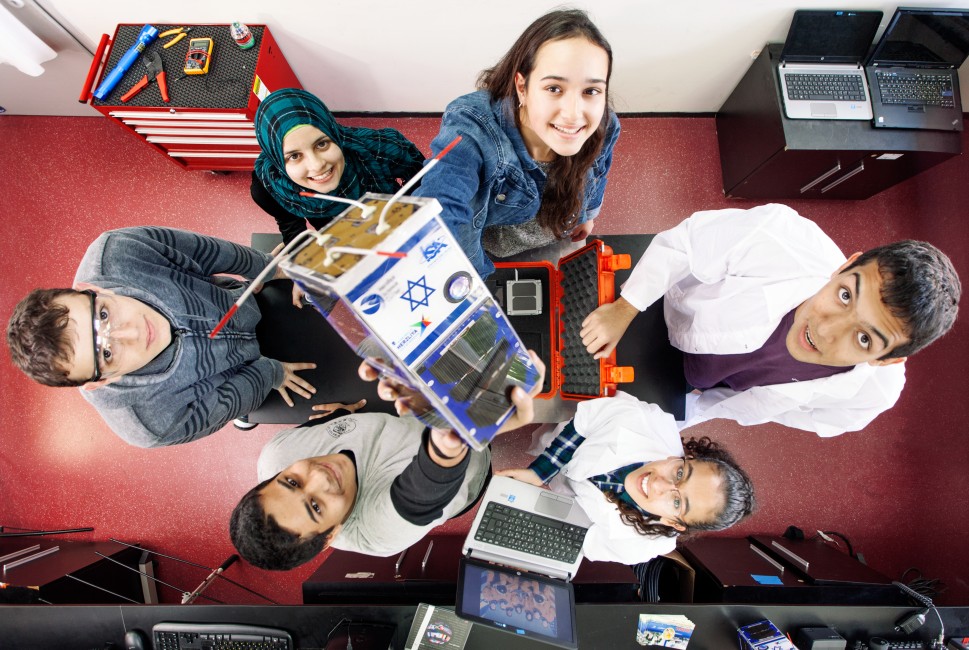
‘This is Israeli pride for the future generation, and an opportunity to increase public awareness about space.’
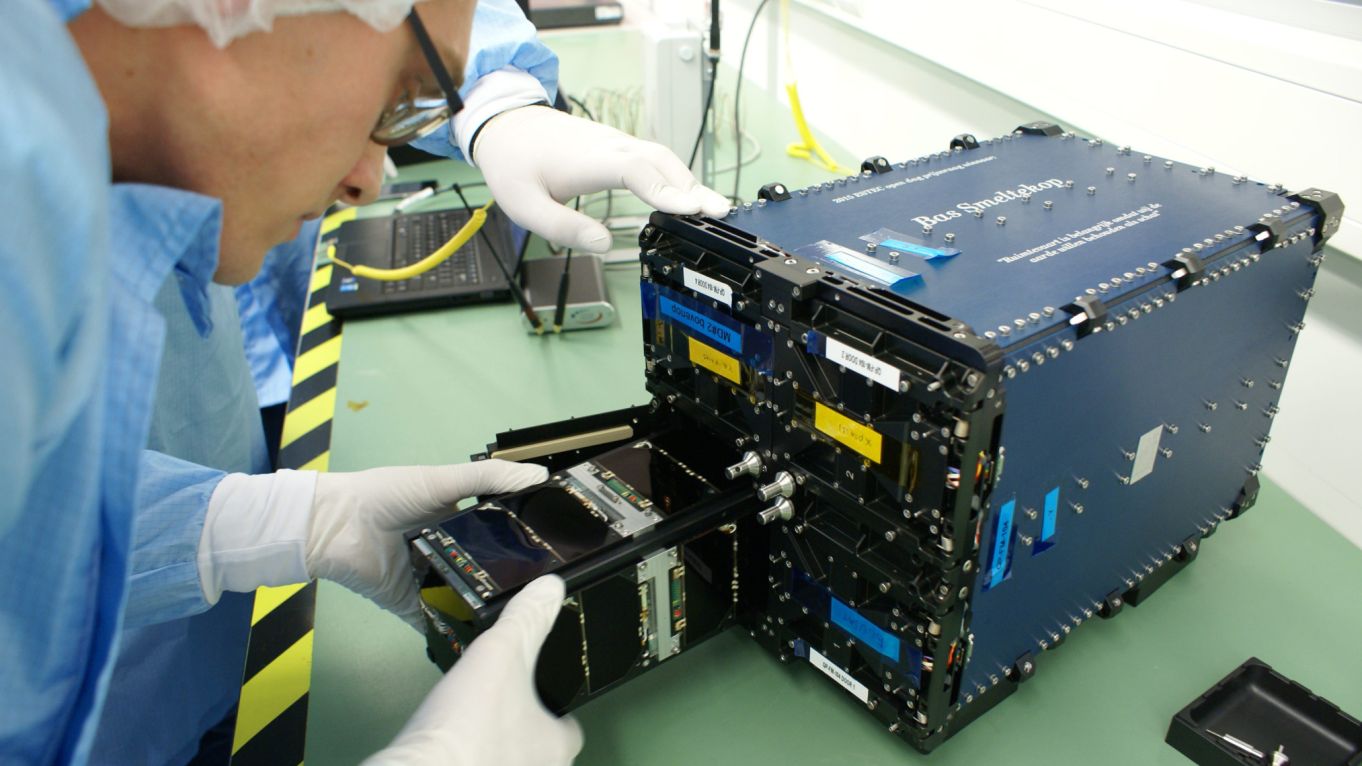
BGU-built satellite is the size of a milk carton; SpacePharma’s research satellite is even smaller.