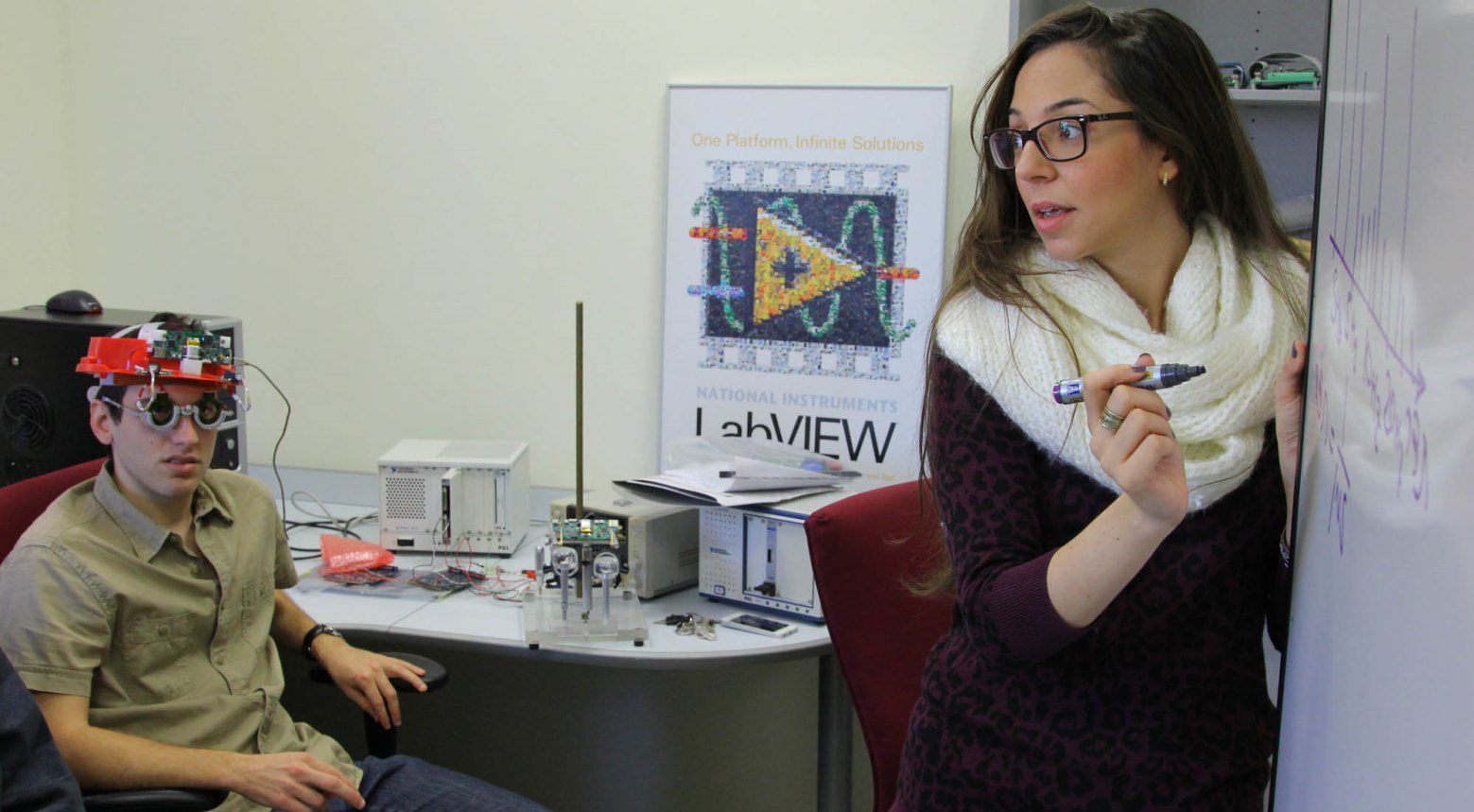
How your eyelids move is a clue to diagnosing disease
Israeli researchers say monitoring the motion of eyelids can help diagnose eye diseases and neurological diseases, including Parkinson’s.

Israeli researchers say monitoring the motion of eyelids can help diagnose eye diseases and neurological diseases, including Parkinson’s.

Suaad Abd-Elhadi’s new assay could pave the way for early diagnosis and improved treatment of the debilitating neurodegenerative disorder.
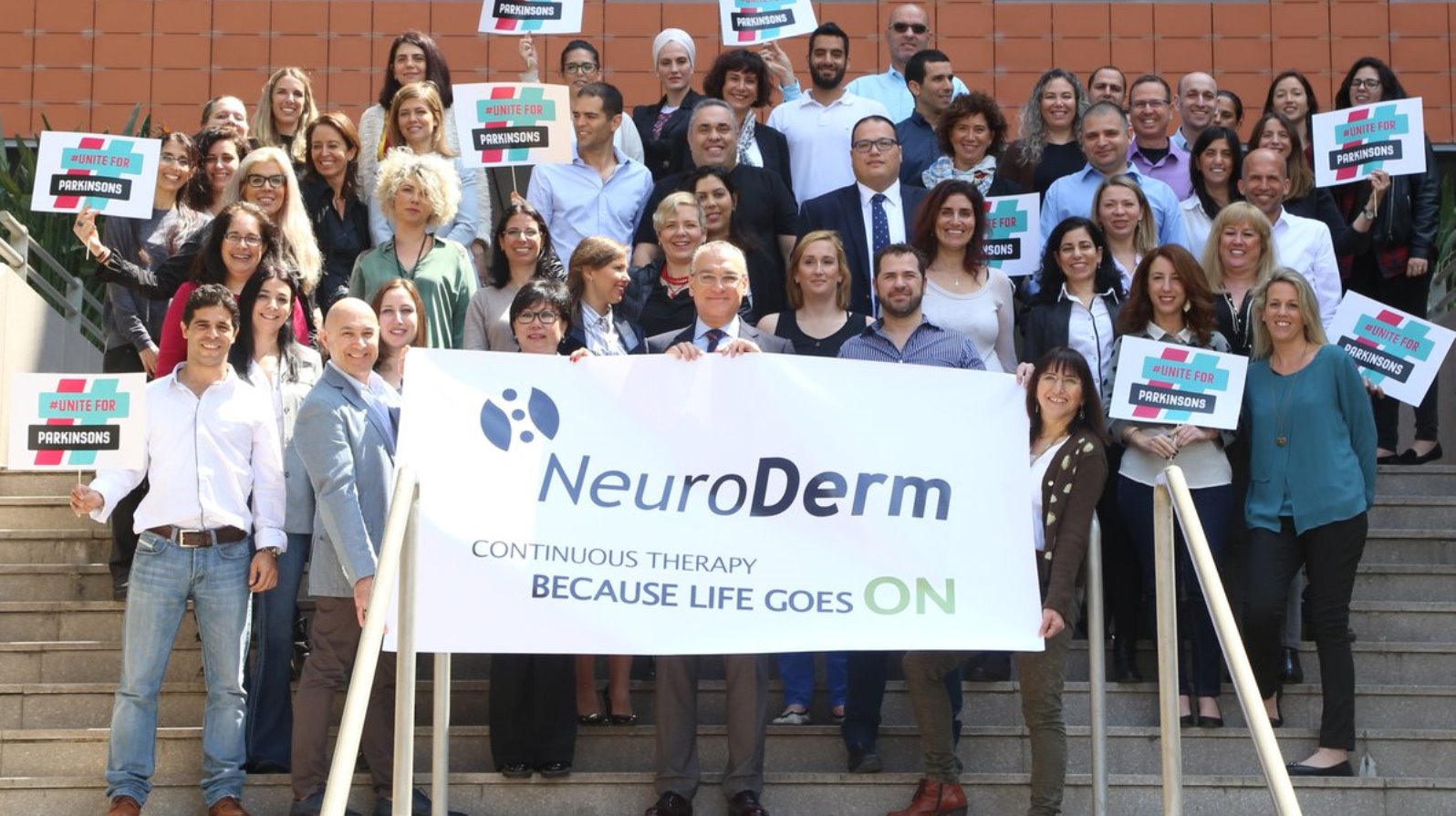
Largest ever acquisition of an Israeli healthcare company is to be made by Japan’s Mitsubishi Tanabe Pharma Corporation.

New drug candidate may prove effective in boosting the self-cleansing mechanism of the human brain, thereby improving the lives of millions of people.

Toxic protein behind disease may simultaneously affect all parts of the nervous system inside and outside of the brain.

Parkinson’s patients benefited most from the intervention, which could be implemented in gyms, rehabilitation centers and nursing homes.

Israeli company expects to begin commercializing its unique assay in 2017, applying for CE clearance in Europe.

Tel Aviv study showing connection between prefrontal cortex and walking difficulties in Parkinson’s disease may lead to new therapeutic approaches.

Exablate MRI-guided ultrasound platform from Israel can fix conditions from fibroids to tremors without anesthesia or incisions.

Raises $28 million to expand commercial and clinical adoption of Brain Network Activation system in US and Europe.

Alex Kerten says his method of martial arts, movement and music helps PD patients slow the progression and ease symptoms with fewer meds.

IBM Research Lab in Haifa is working on technology to develop mobile apps for the diagnosis of two very common brain disorders.
Ahead of BrainTech2015 in Tel Aviv, Israel Brain Technologies director tells ISRAEL21c about some amazing advances.
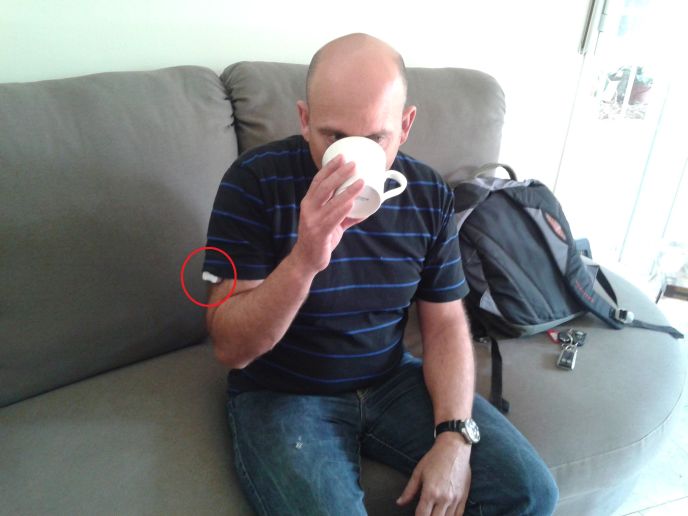
TouchéMedical is developing a low-cost ‘smart’ patch pump designed for patients of all ages with diabetes, Parkinson’s and other chronic conditions.
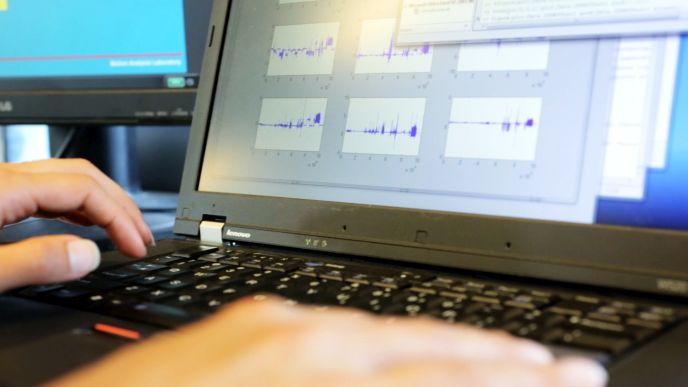
Intel’s advanced analytics team in Israel built the heart of a new device to collect, analyze and transmit a wealth of symptom data to reveal new insights.