
VoiceITT speaks for those who can’t
Israeli smartphone technology takes the frustration out of communication for kids and adults who have difficulty making themselves understood.

Israeli smartphone technology takes the frustration out of communication for kids and adults who have difficulty making themselves understood.
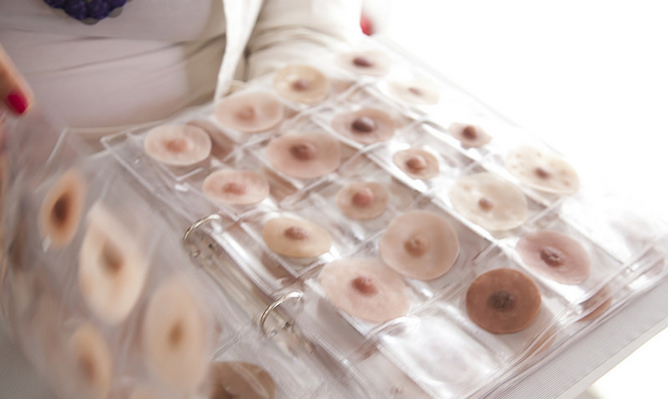
After a mastectomy, Michelle Kolath-Arbel of Israel learned to make lifelike silicone nipples, and founded Pink Perfect to sell them worldwide.

For people with disabilities, Sesame Enable turns a smartphone or iPad into a machine that recognizes face movements and hand gestures.

Two Israeli brothers, a plastic surgeon and a biomedical engineer, believe they’ve invented the most lightweight silicone implant ever.

An Israeli graduate student is working on an international project to reintroduce prawns to eat parasite-carrying snails in African waters.

Experts believe the multipronged approach that wiped out the disease in pre-state Israel could be applied to African countries today.

In Jerusalem, ALYN Hospital’s respiratory rehab staff pioneers socialization of physical therapy sessions for ventilated preschoolers and their parents.

Amblyz, invented by Israeli physician Omry Ben-Ezra, wins international prize for innovation and 7,000 orders from Turkey.

OrCam is based on artificial intelligence and special algorithms built into a tiny computer that clips onto your eyeglasses.
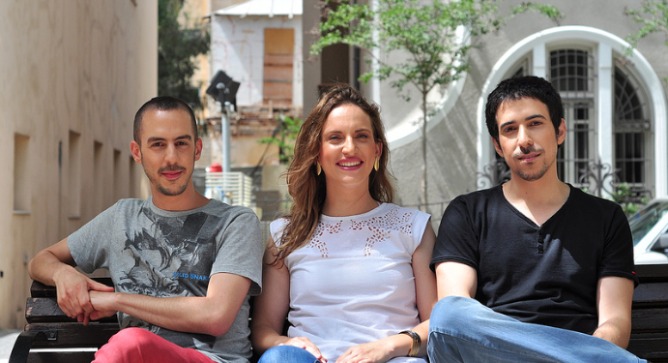
Going to the doctor? No need to keep a binder filled with test results and medical records. A new Israeli-made app puts all that on a tablet.

Israel’s scientists are behind a range of innovations that dramatically improve eyesight or quality of life for people with vision impairments.

Women with polycystic ovary syndrome may overcome infertility by consuming more calories in the morning, according to Israeli researchers.

A novel Israeli invention, MilkSense, non-invasively measures how much milk an infant gets from the breast. A baby scale is included in the kit.

Advances in prevention and treatment – and making them accessible – are credited with dropping rates of preventable blindness by more than half.