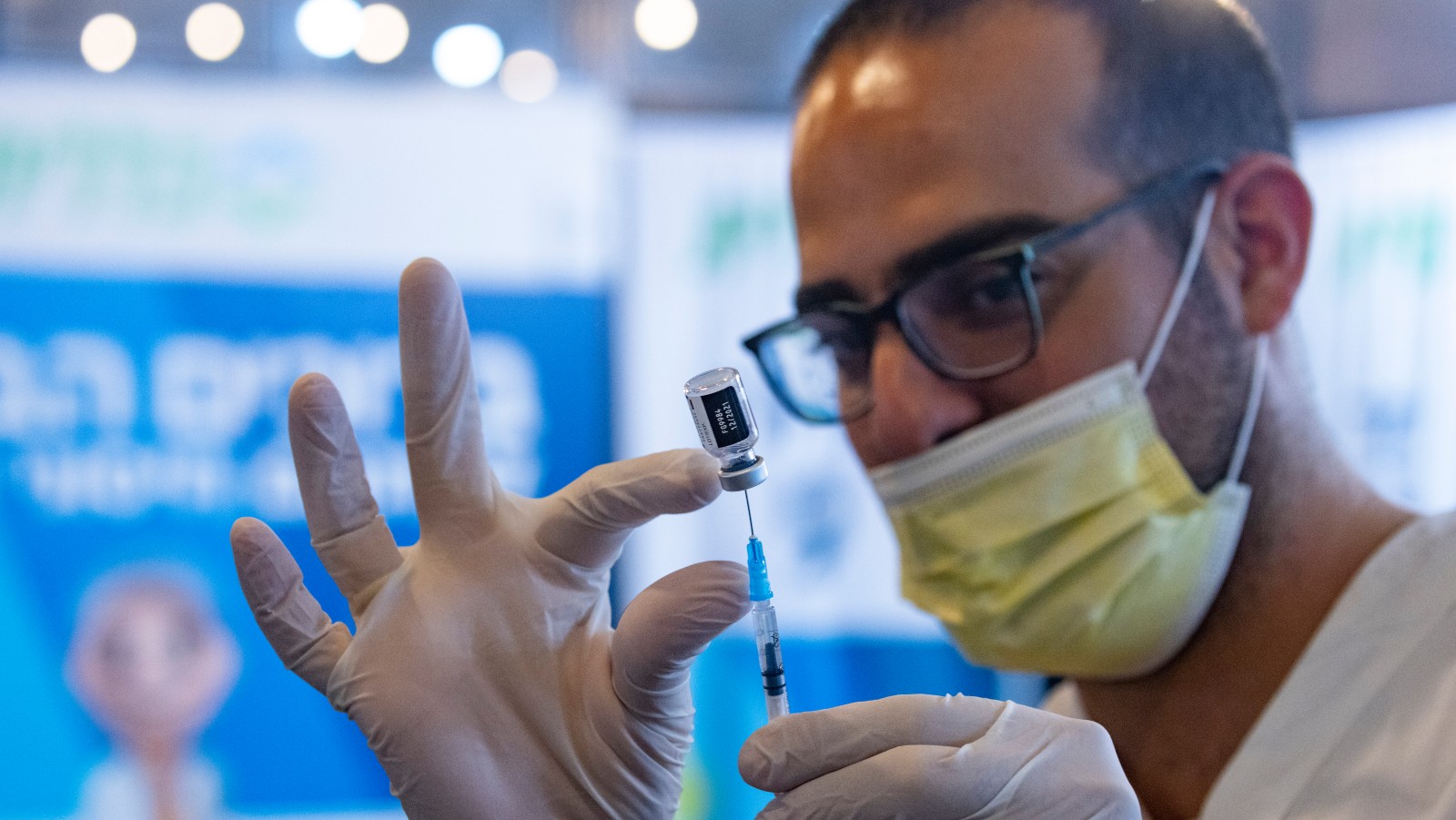
Israeli study suggests booster vaccine highly effective
Third Pfizer dose seems effective at preventing infection and severe illness, according to findings published in The New England Journal of Medicine.

Third Pfizer dose seems effective at preventing infection and severe illness, according to findings published in The New England Journal of Medicine.

Smoking parents more likely to change their habits if they see results of nicotine tests on their children’s hair.

Almost half of people surveyed report smell distortions almost a year after contracting virus, while a quarter report unexplained smells.
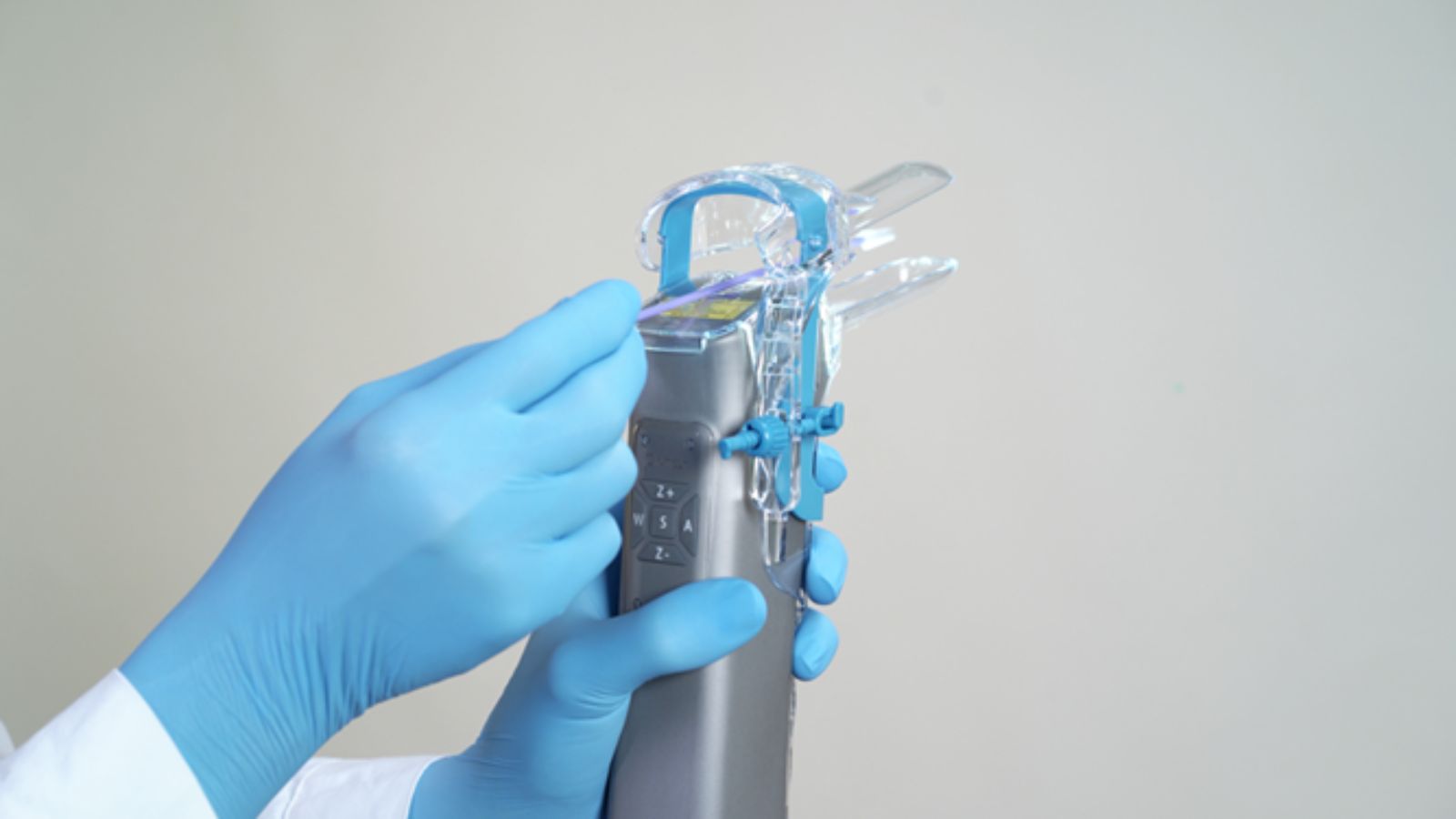
Illumigyn’s cervical examination system resembles a gynecology endoscope, with imaging that can be uploaded to the cloud for remote diagnosis.
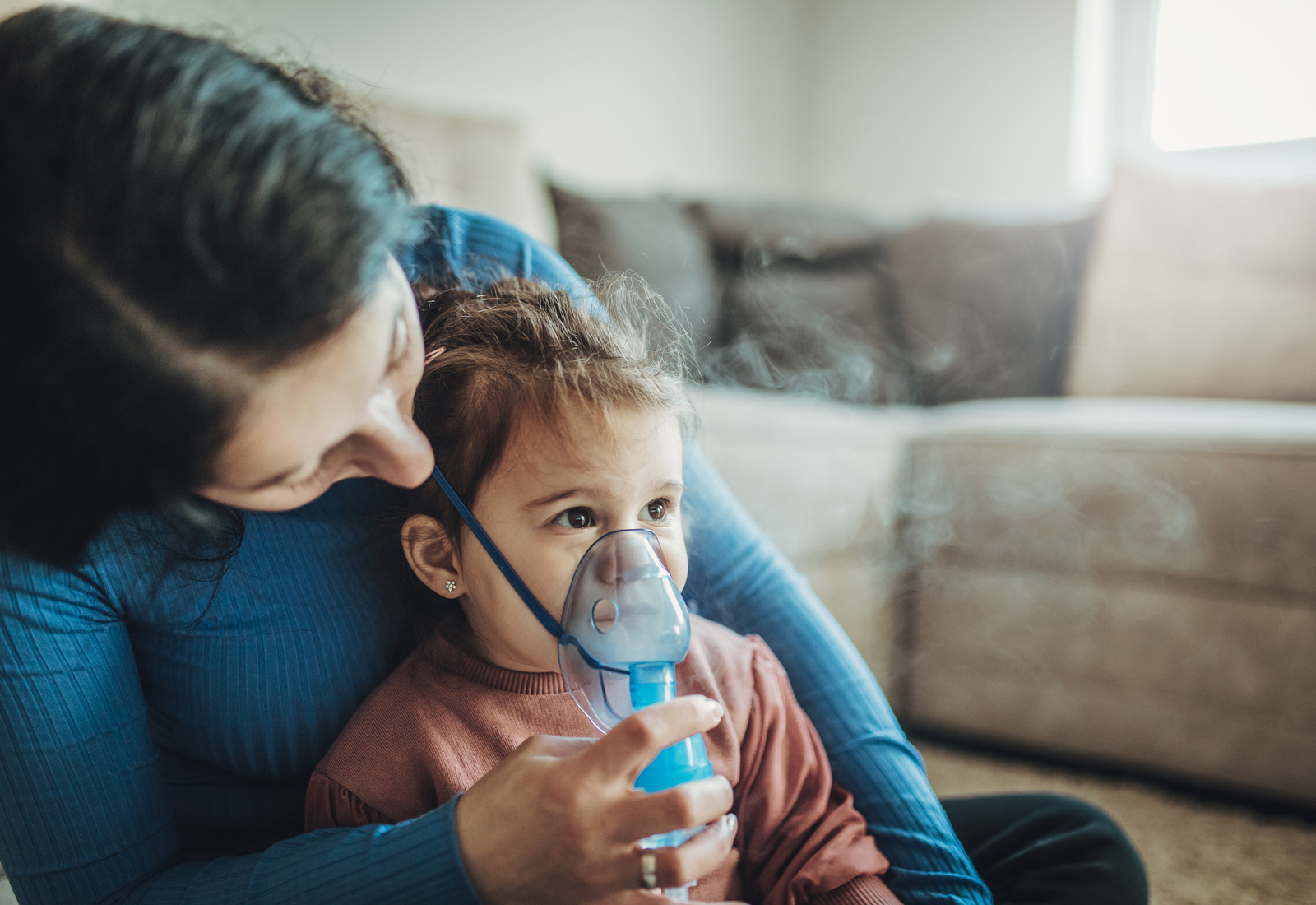
SpliSense has demonstrated in human-derived cells that it can generate a functioning protein to replace one that is defective in 20% of CF cases.

Even those whose mental health improved after lockdown were vulnerable to physical symptoms of psychological distress.
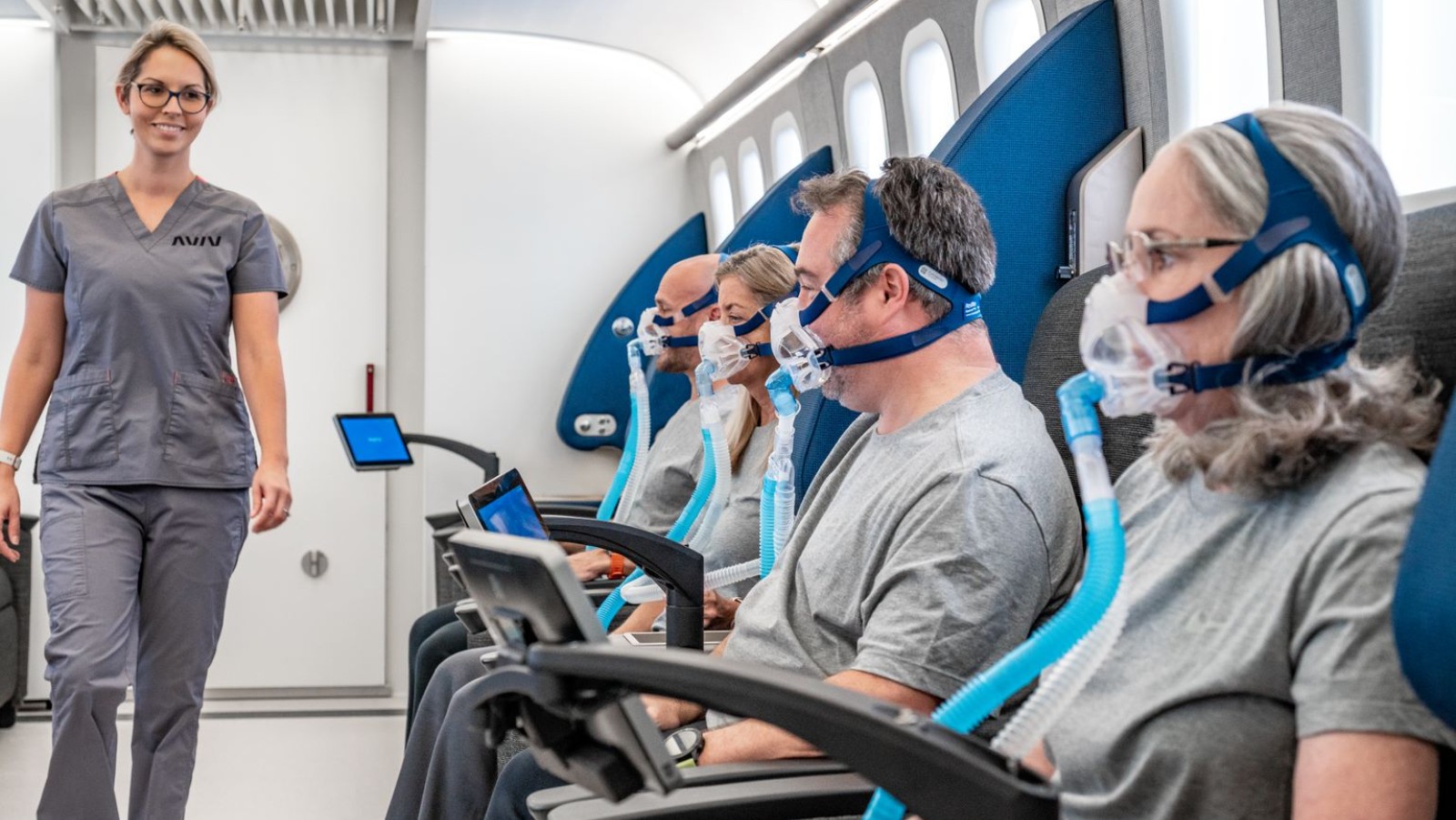
Study on animals genetically engineered to develop Alzheimer and a group of subjects over 65 with memory decline showed improved vascular function.

Ahead of the first anniversary of the Abraham Accords, we’re looking at the most interesting deals reached to date – shoes and rare birds included.

Pharma companies can’t make reliable, consistent drugs from cannabis plant compounds. EPM’s synthetic cannabis acid molecules could make it possible.

Pomegranates add color and symbolism to the Rosh Hashana table décor, but they are also extremely good for your health.
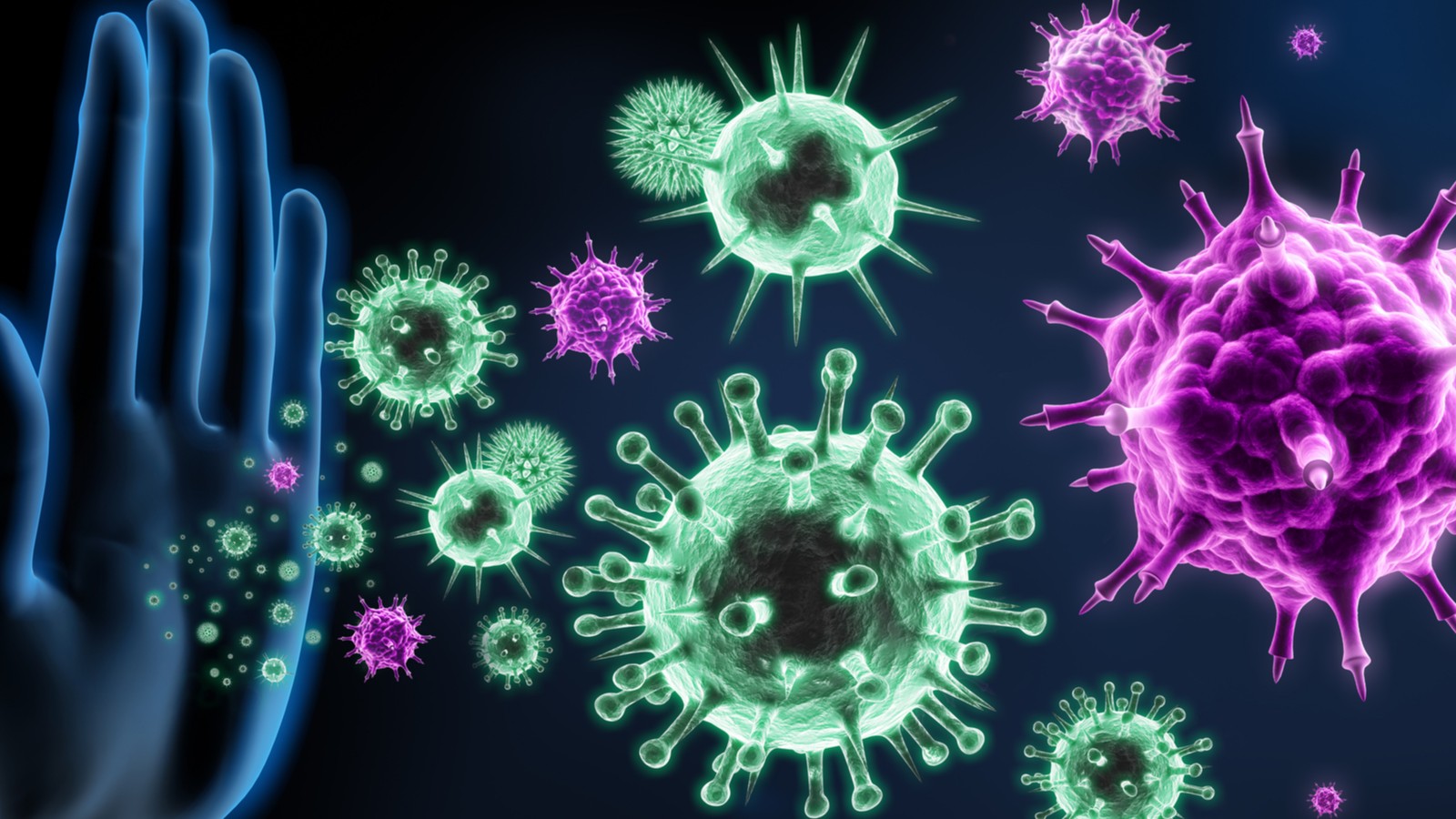
Nectin Therapeutics creates a roadblock to stop cancer cells evading immunotherapy treatments, boosting the success of the therapy.

The treatment under development works against a novel target: succinate, a pro-inflammatory molecule secreted by gut bacteria.

Surgeons would be able to order hybrid organs – a pig organ with a human lining of blood vessels-that could help solve the acute shortage of organs for transplant.

A novel approach from the Weizmann Institute of Science plugs the opening that the SARS CoV-2 virus uses to attach to cells in the body.
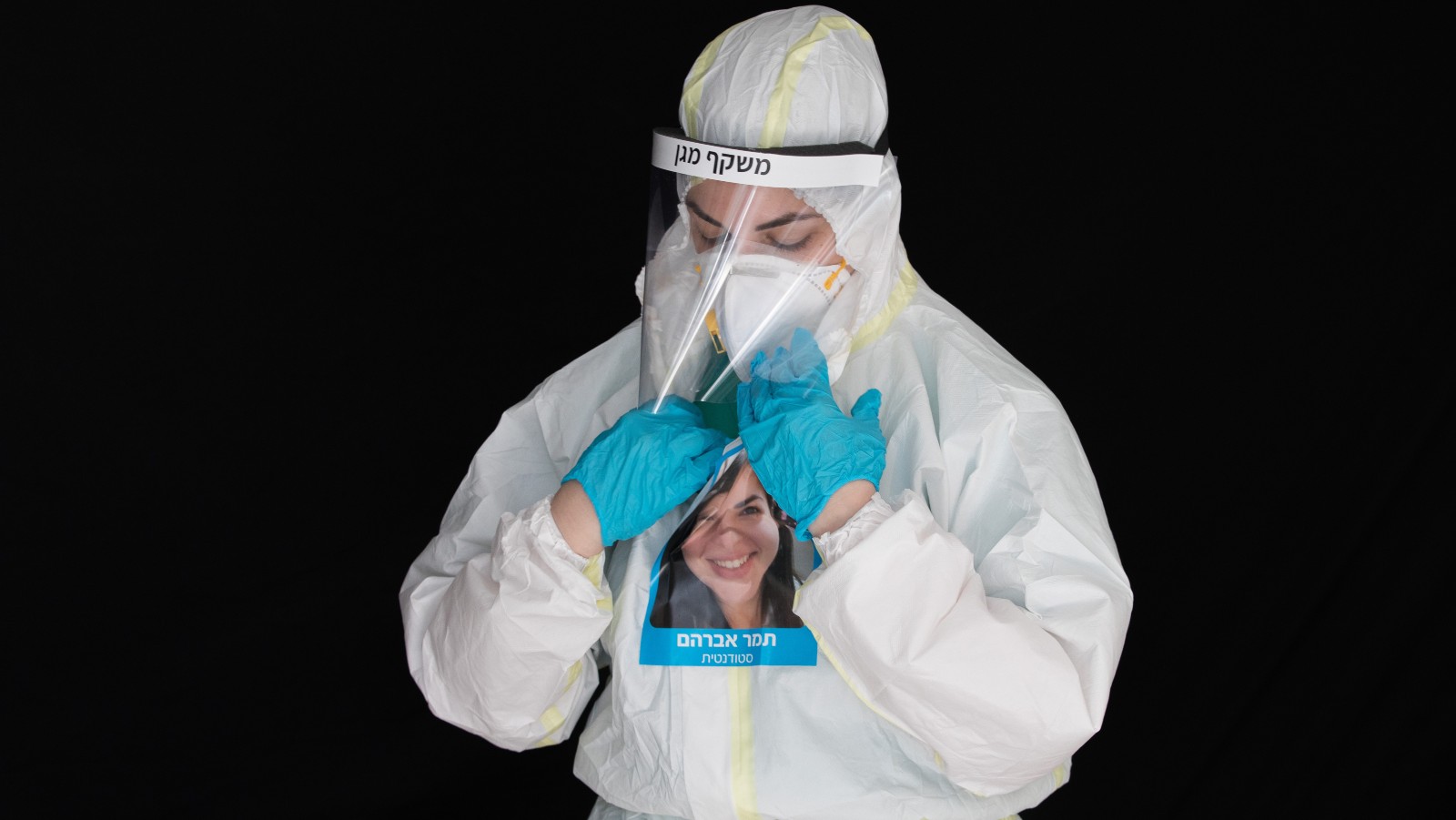
Analysis of 53,000 tweets from healthcare professionals shows they are suffering from increased sadness, fear and disgust due to the pandemic.