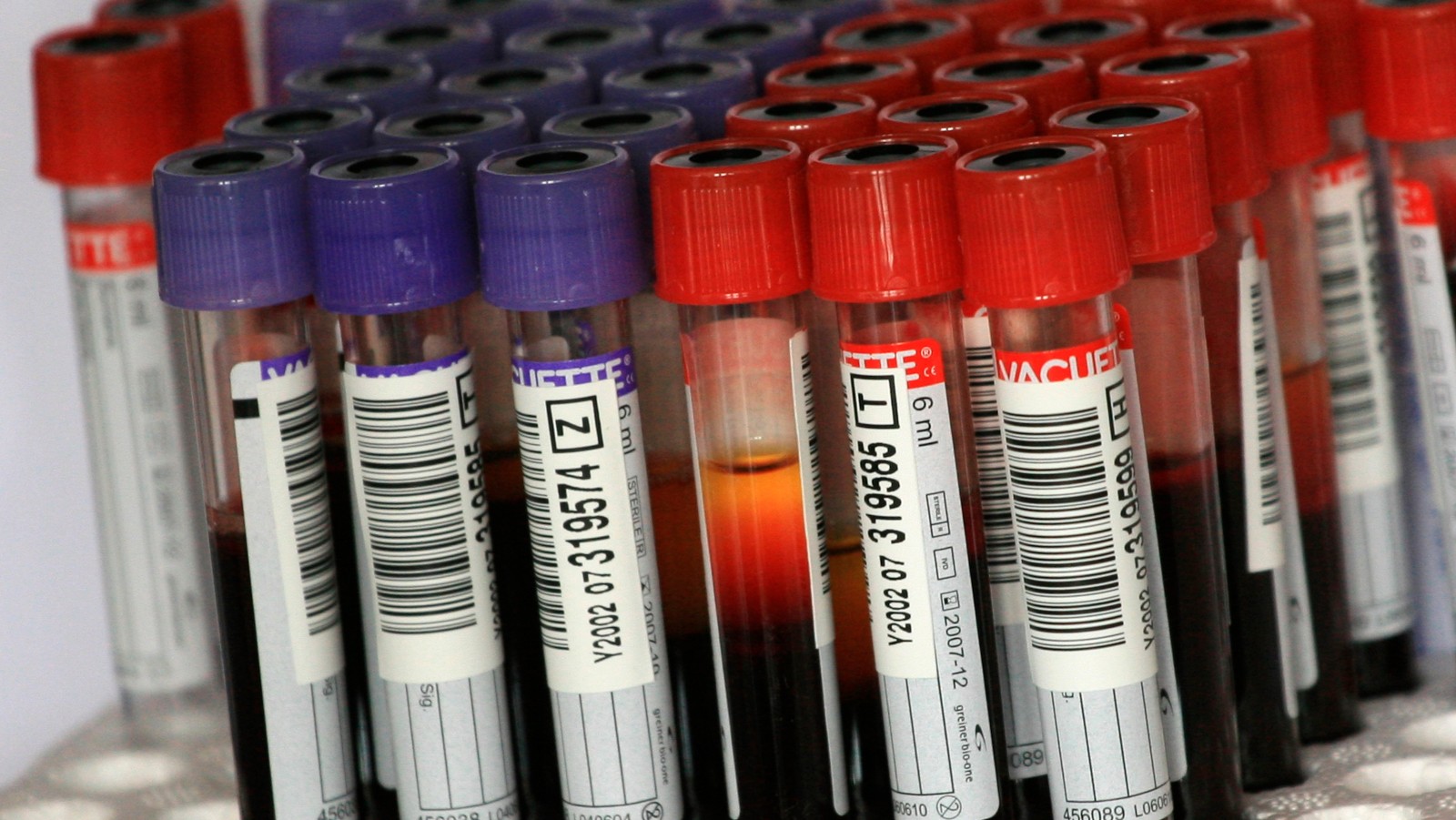
Scientists develop way to find tumors from blood tests 98% faster
Researchers at the Technion-Israel Institute of Technology have developed a new method for rapid, inexpensive analysis of blood samples.

Researchers at the Technion-Israel Institute of Technology have developed a new method for rapid, inexpensive analysis of blood samples.

Israeli method dramatically reduces waiting time for lab results of cancer cell detection tests following surgery to remove a malignant tumor in the abdomen.

Israeli study results highlight the importance of early diagnosis and treatment of cardiac disease in cancer patients.
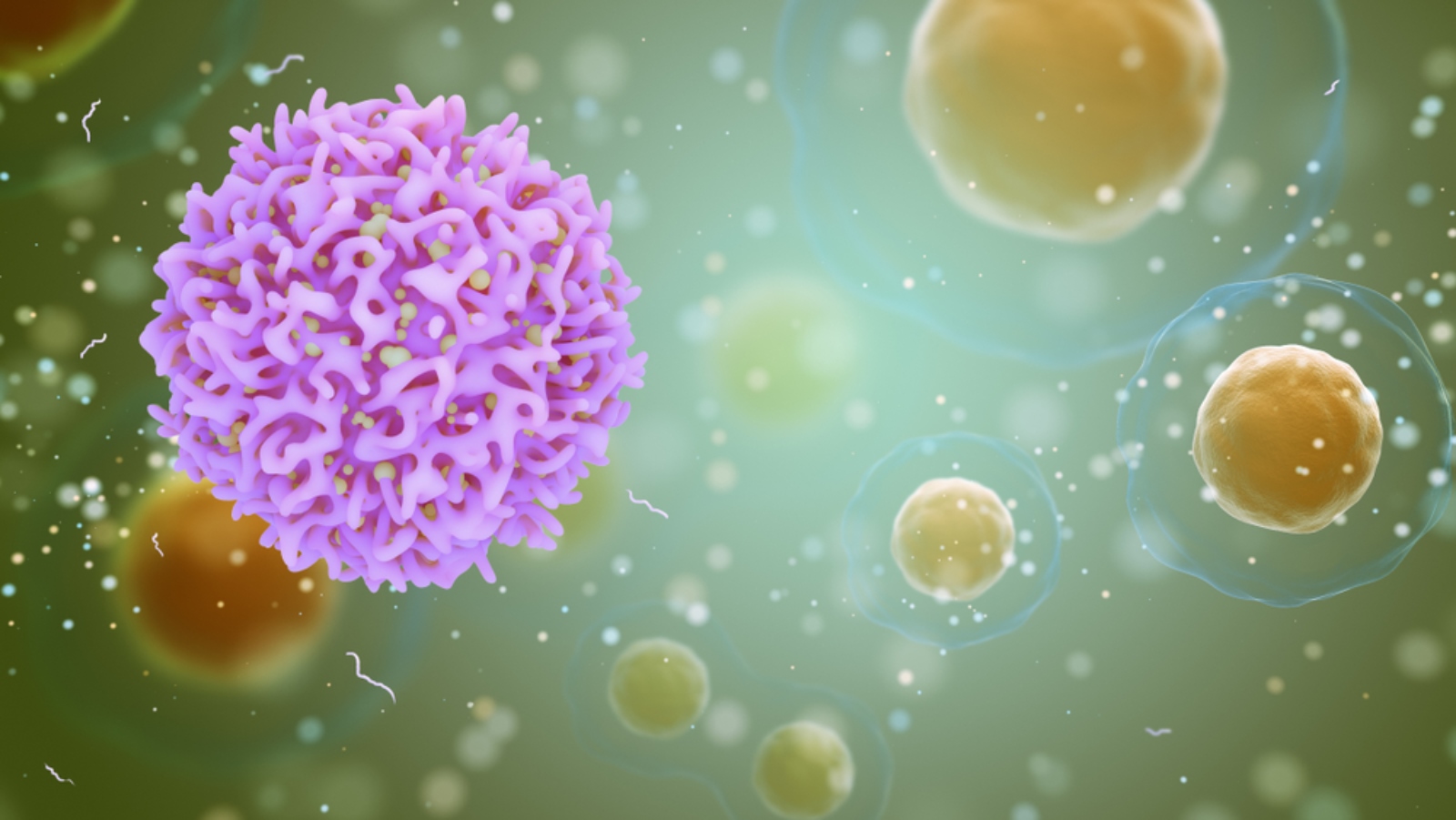
Natural killer cells treatment offers the potential for an effective, safer treatment option than most current immunotherapies.

Researcher Avi Schroeder’s technology for shellfish could protect us against coronavirus. He’s also working on a cancer drug from an elephant protein.

US doctors already use IceCure’s ProSense to destroy benign breast lumps. Soon they’ll be using it for malignant liver and kidney tumors.
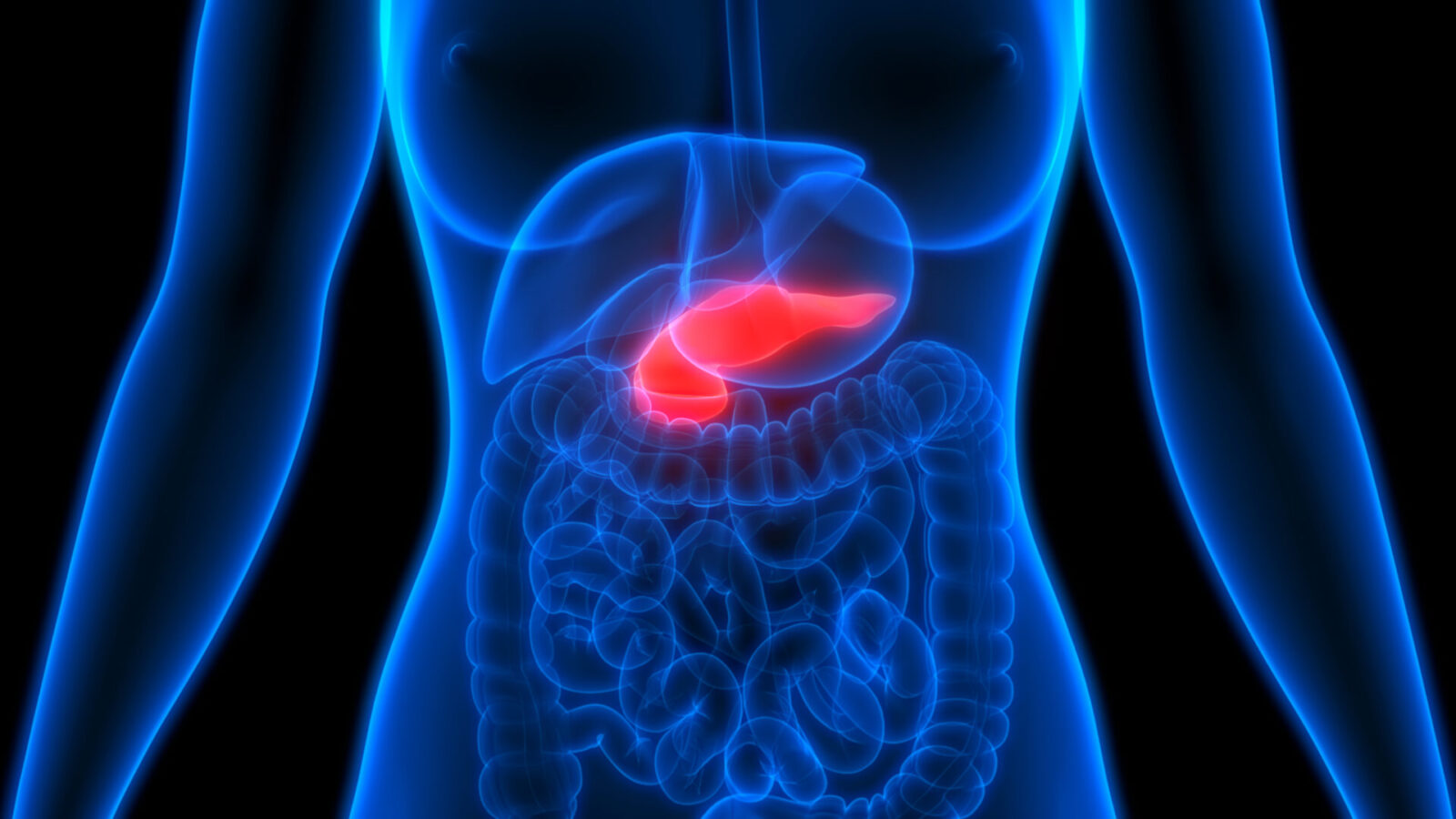
Israeli breakthrough study shows 90% reduction of pancreatic cancer cells in mice after treatment with a molecule named PJ34.

Alpha radiation technology passes first hurdle, zapping nearly 80% of solid tumors in clinical trial.
An Israeli study in mice showed that reducing a particular hormone signal keeps Ewing sarcoma tumors from growing and spreading.
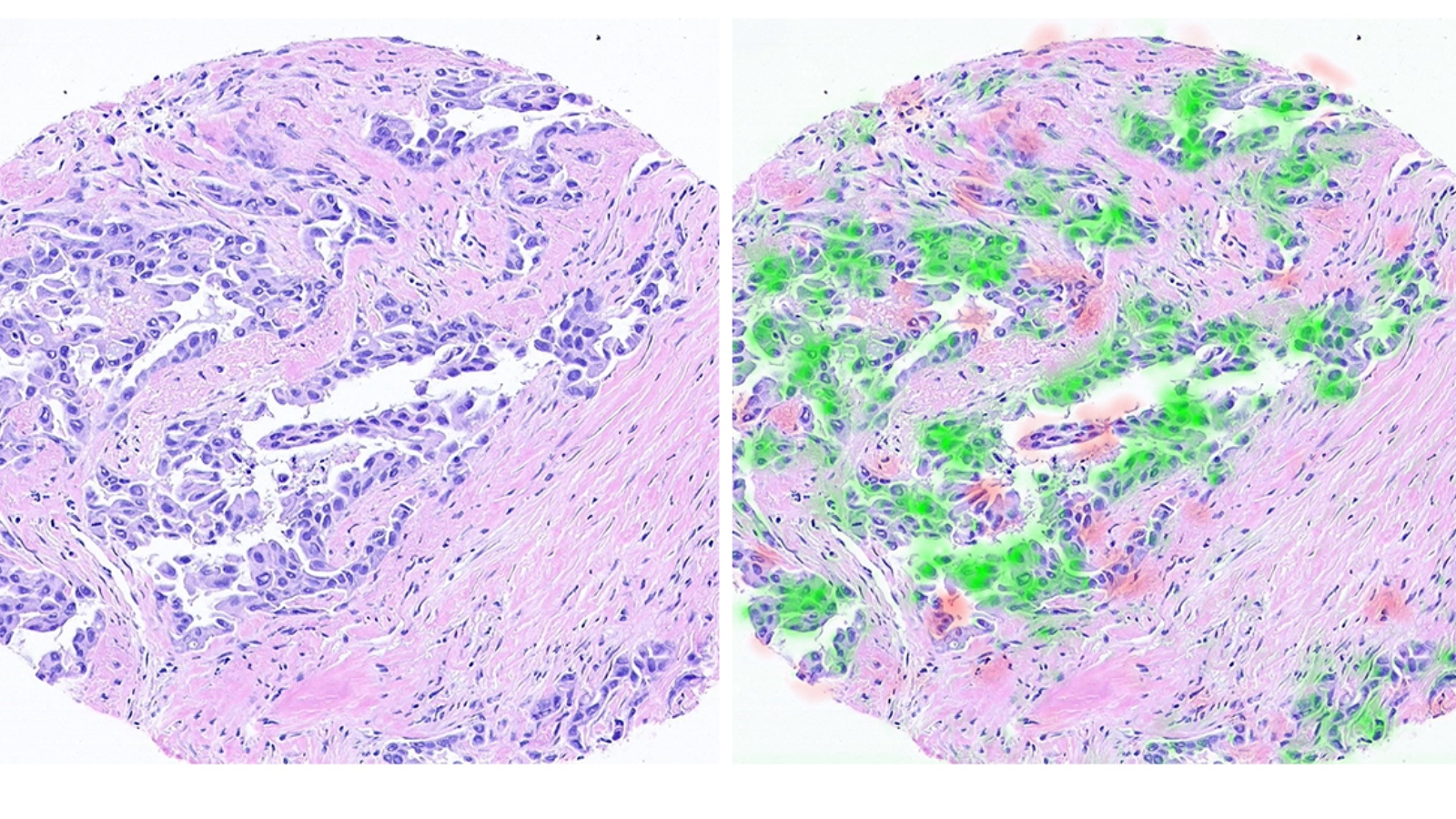
Technion’s computerized pathologist decodes cancer signatures to improve personalized medicine.

Novel immunotherapy extends therapy now used in fighting leukemia,
Israeli researchers say.

Karyopharm of Israel and Massachusetts gets FDA approval for XPOVIO, the first drug aimed to help natural tumor-suppressing proteins do their job.

Belong.life for cancer patients and caregivers uses artificial intelligence to cut through data clutter. Users only see the most relevant information.

Israel’s Vessi Medical aims to reduce the rate of recurrence by destroying non-muscle invasive bladder tumors with cryoablation.
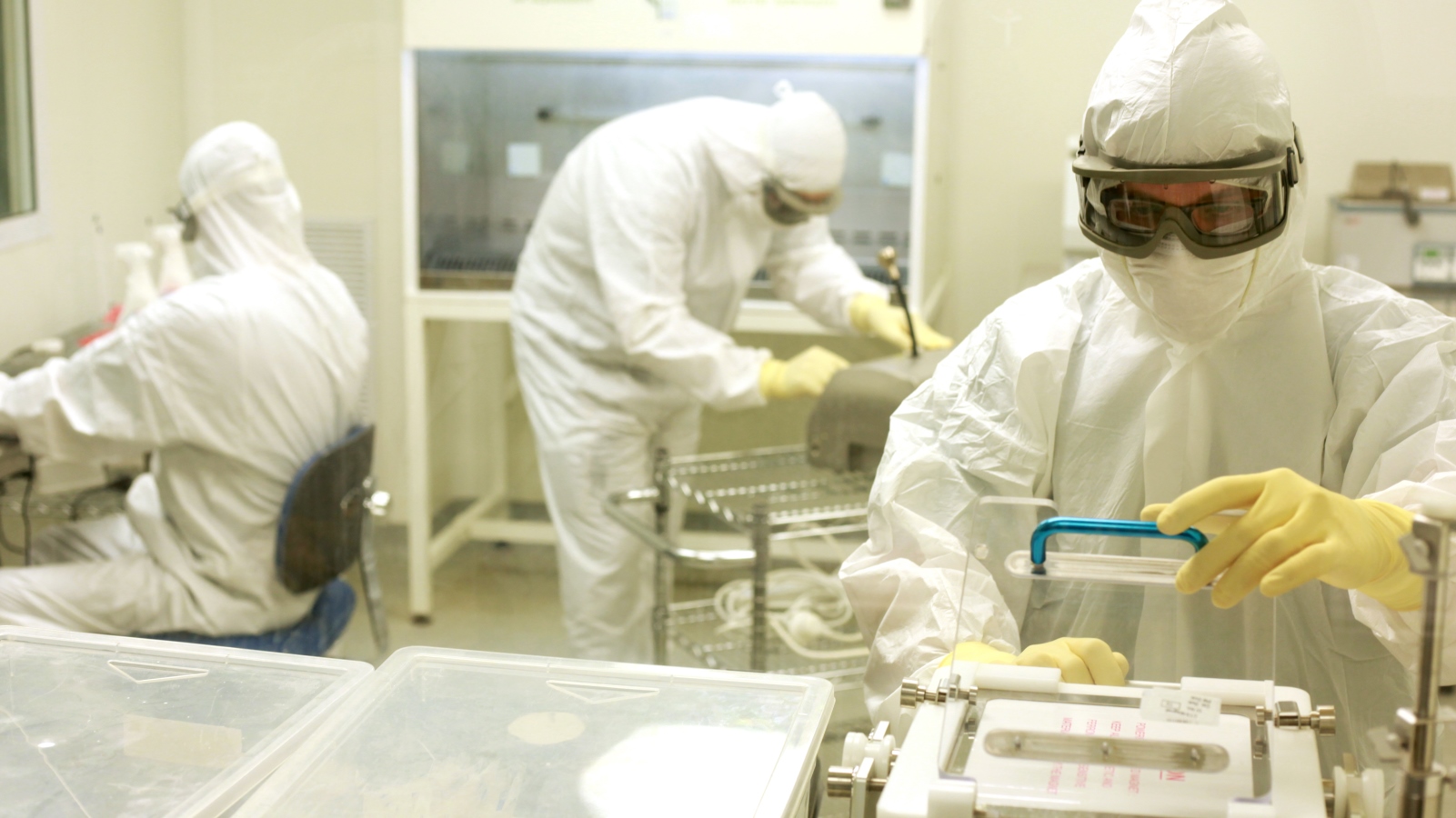
Purified, activated immune cells from a healthy donor are injected into the recipient until the immune system can hunt down cancer cells on its own.