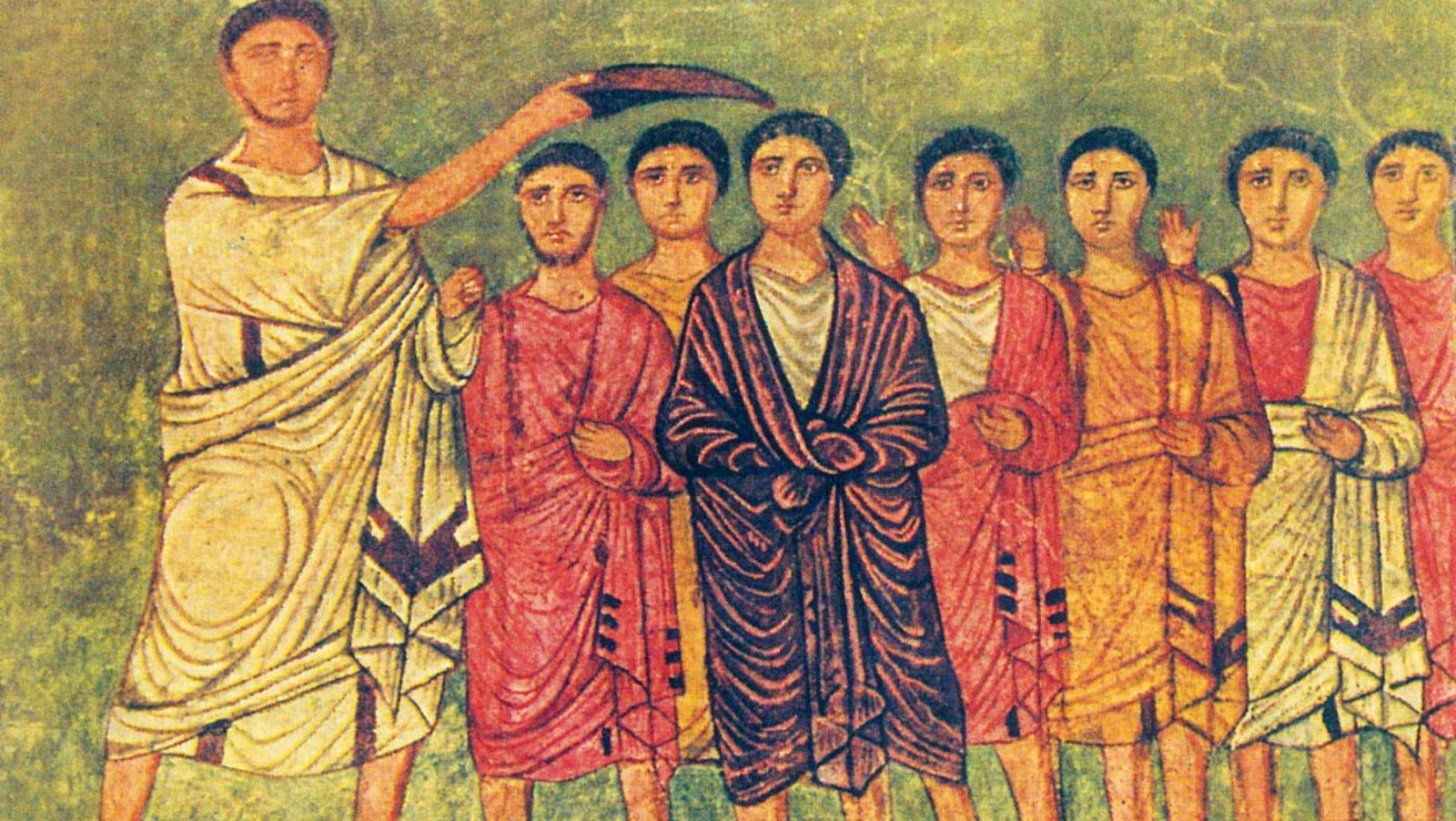
Rare purple dye from King David’s time unearthed in desert
Tiny piece of ancient cloth dyed royal purple preserved for 3,000 years thanks to arid desert surroundings.

Tiny piece of ancient cloth dyed royal purple preserved for 3,000 years thanks to arid desert surroundings.
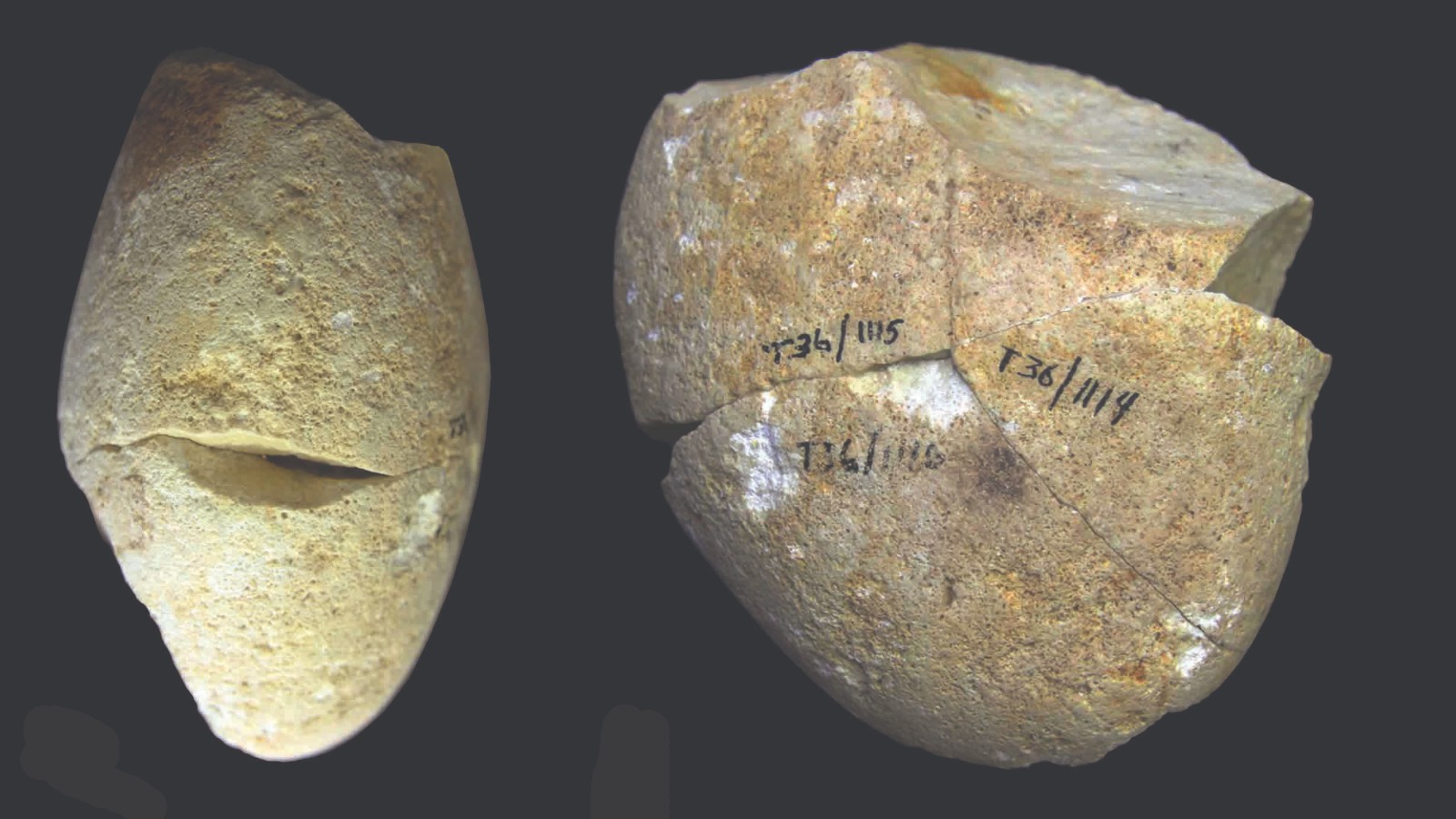
An abrading tool found in Tabun Cave on Mount Carmel predates previous findings by around 150,000 years.
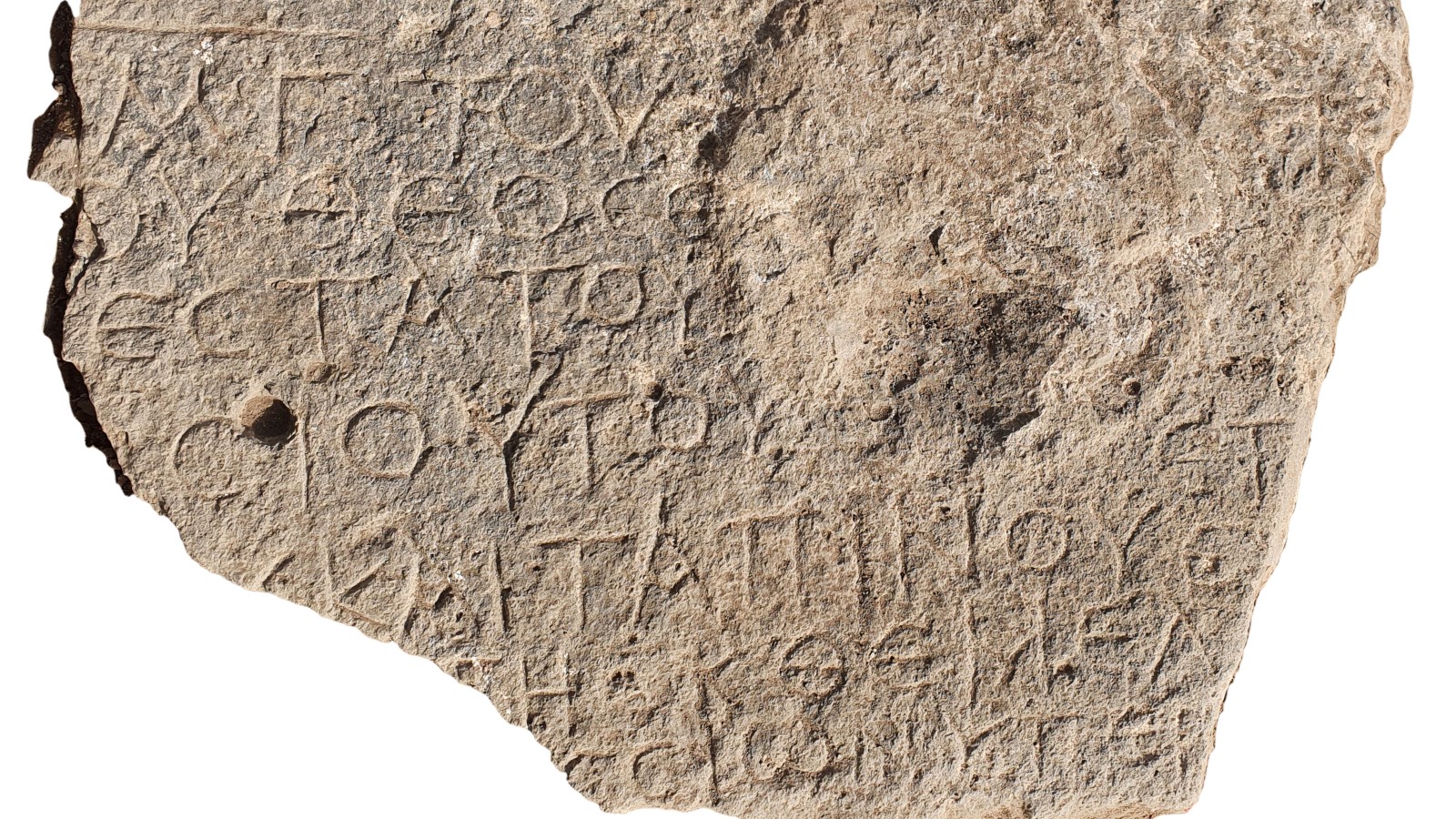
Engraved in stone, the Greek inscription is part of a lintel originally set in the frame of a church entrance in Israel’s Jezreel Valley.
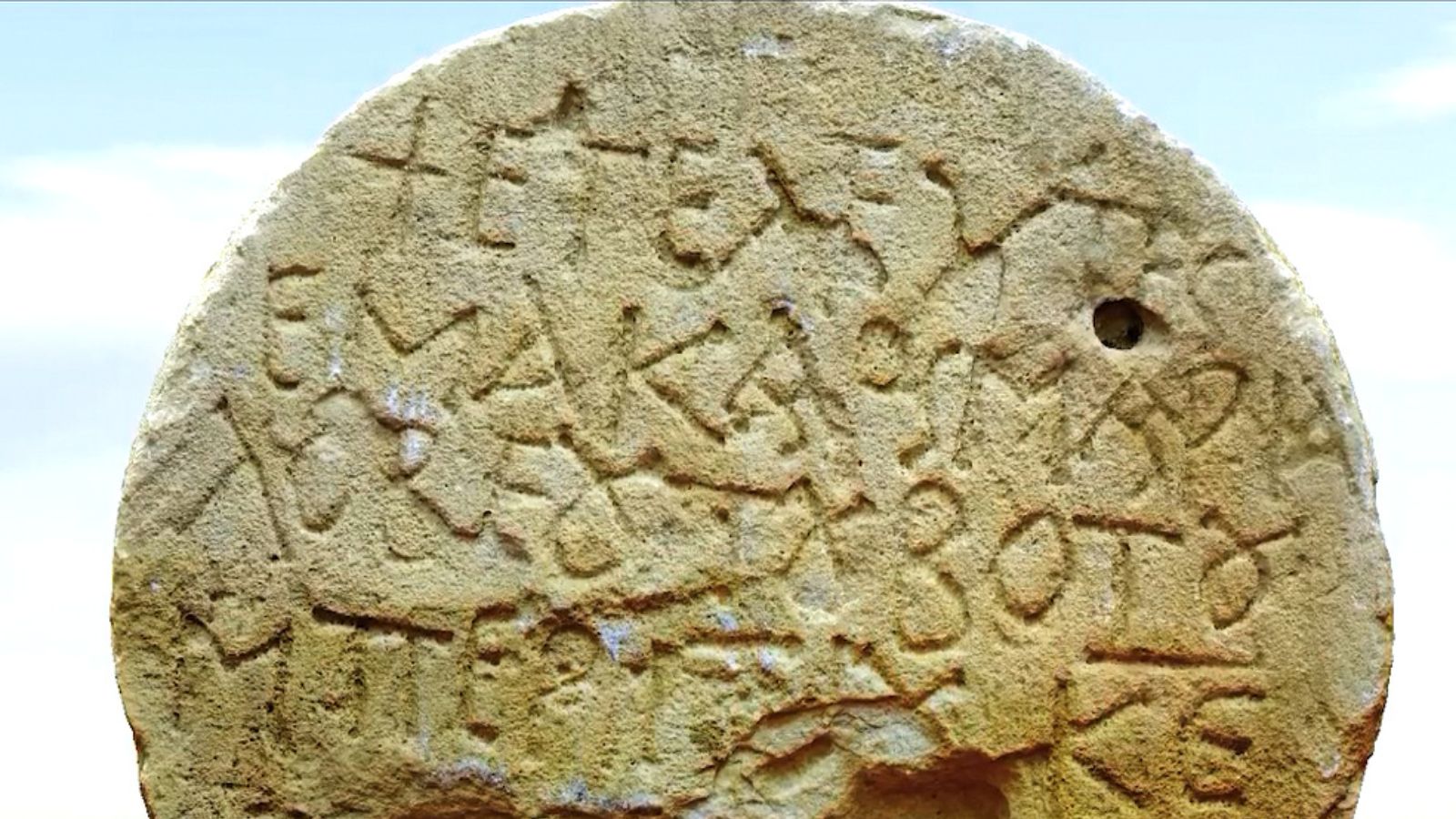
‘Blessed Maria’ seems to have died on February 9 of an unspecified year, according to stone found during work to prepare nature paths.

Old City digs beat Norway’s Spiral Tunnel in the International Tunnelling and Underground Space Association awards.

From a toilet found inside an ancient temple to Roman public latrines and Ottoman-era outhouses, Israel is awash with fascinating old loos. Join us on World Toilet Day, for a look.
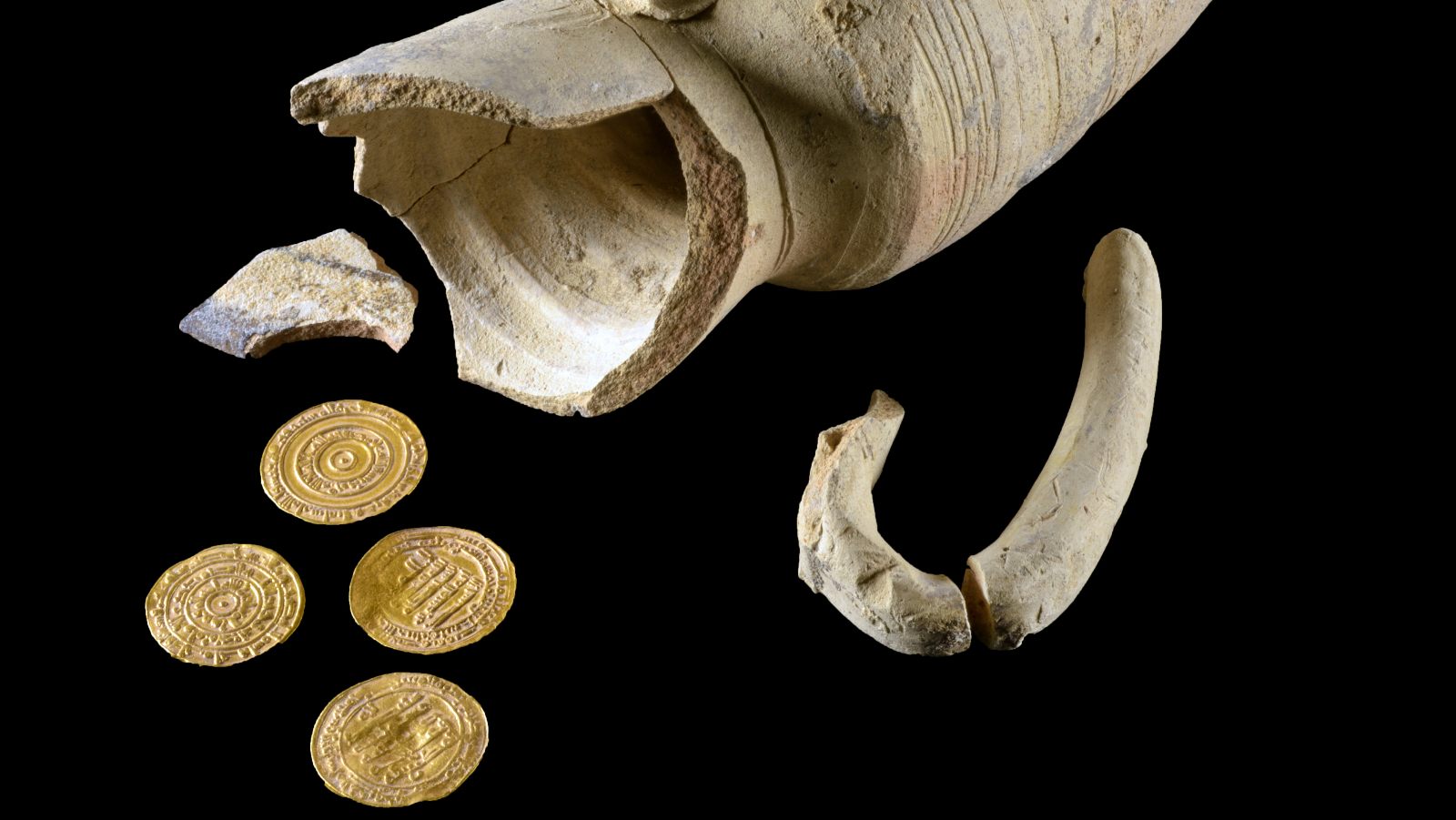
The coins date back just over 1,000 years ago to the early Islamic period and tell the tale of dramatic times in the Holy Land.

A new study of these tools using spectroscopy and bioinformatics suggests skilled control over heating flint to produce different forms.
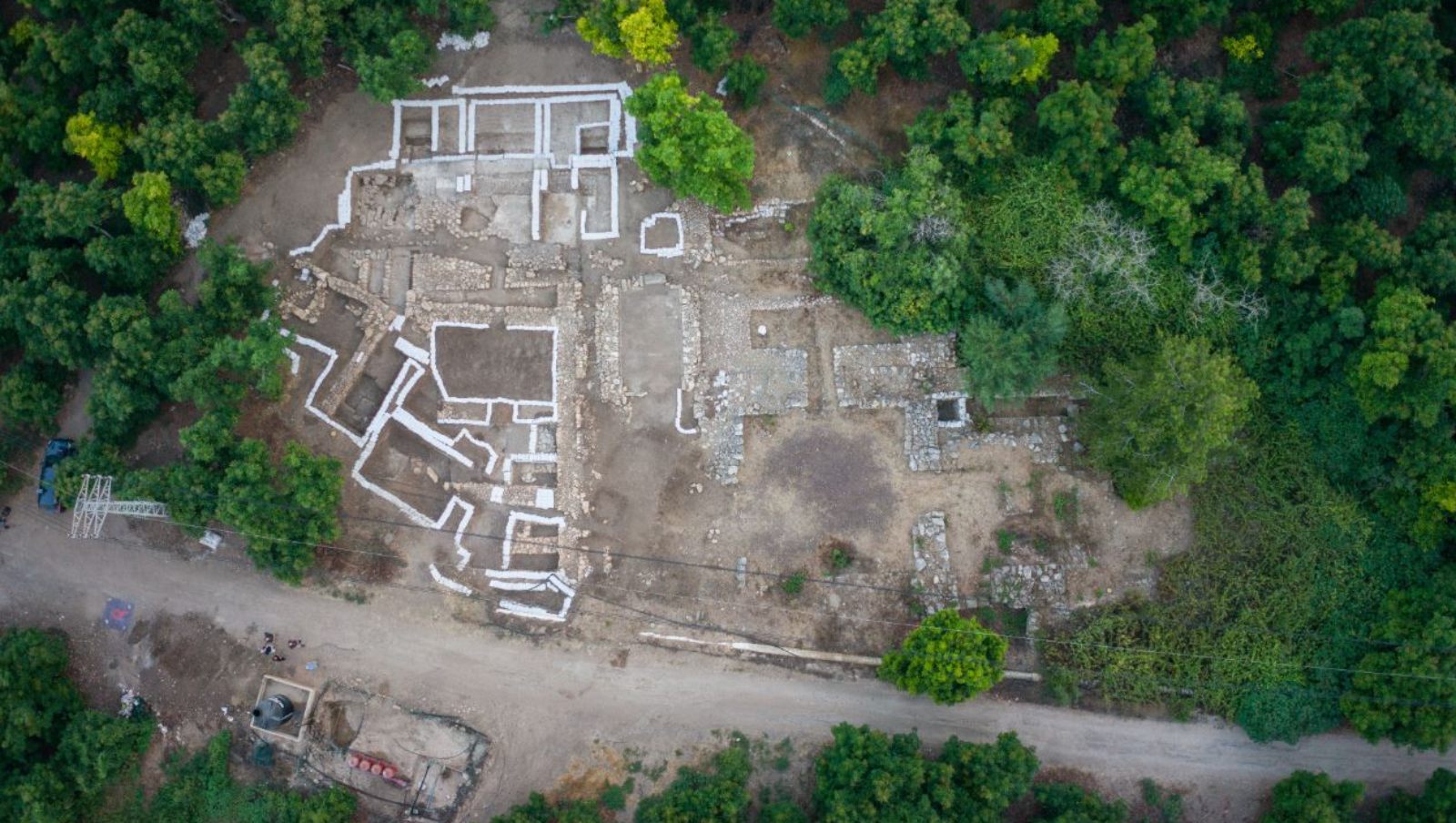
For years, researchers have been debating what led to the sudden destruction and abandonment of a once-flourishing Canaanite palace and city.

Magnificent, rare remains of residential structure from the time of the Kings of Judah discovered in excavation by Israel Antiquities Authority.
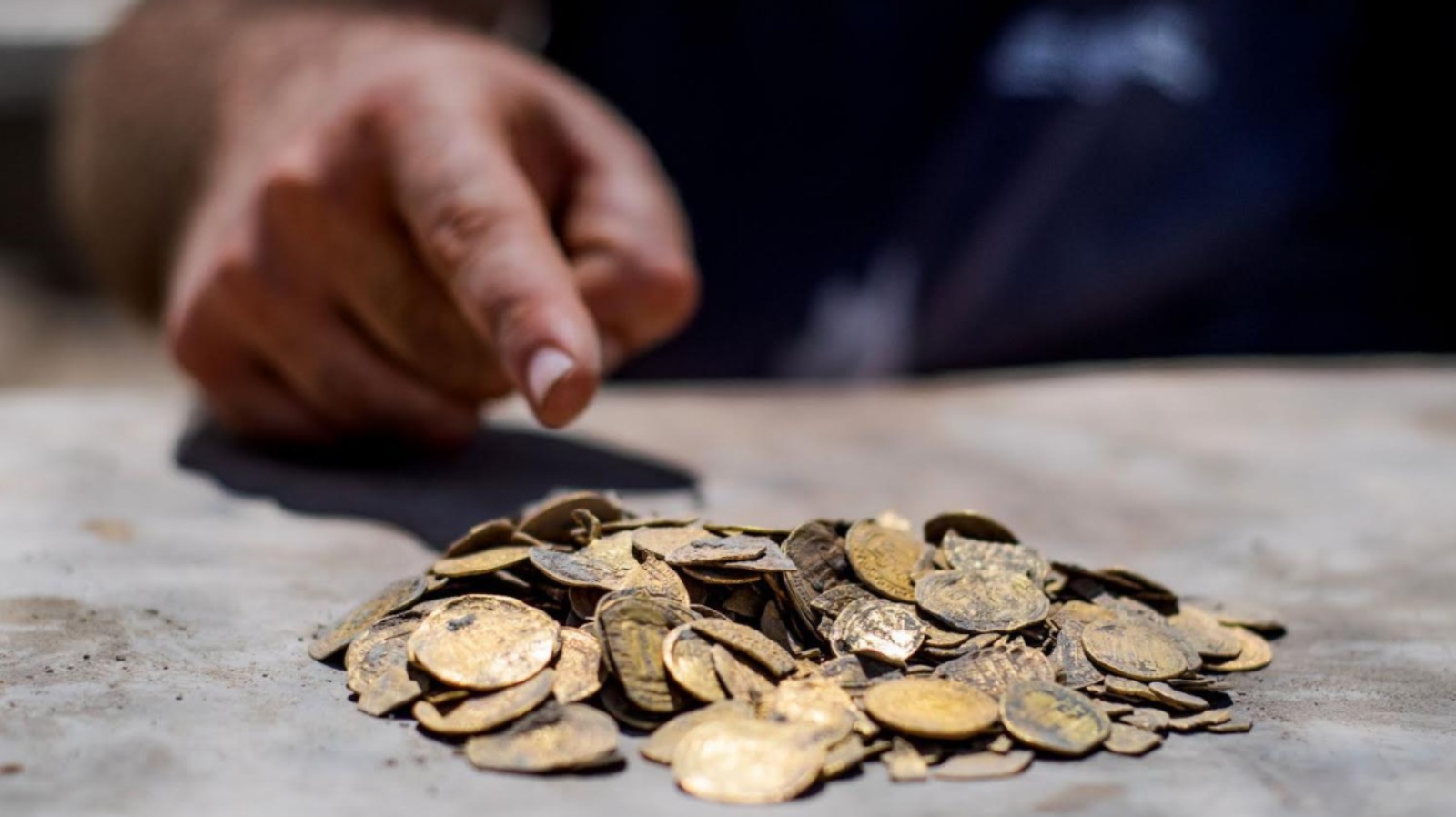
Net weight of pure gold hoard would have been enough to by a luxurious home in the wealthy Egyptian capital of the time.
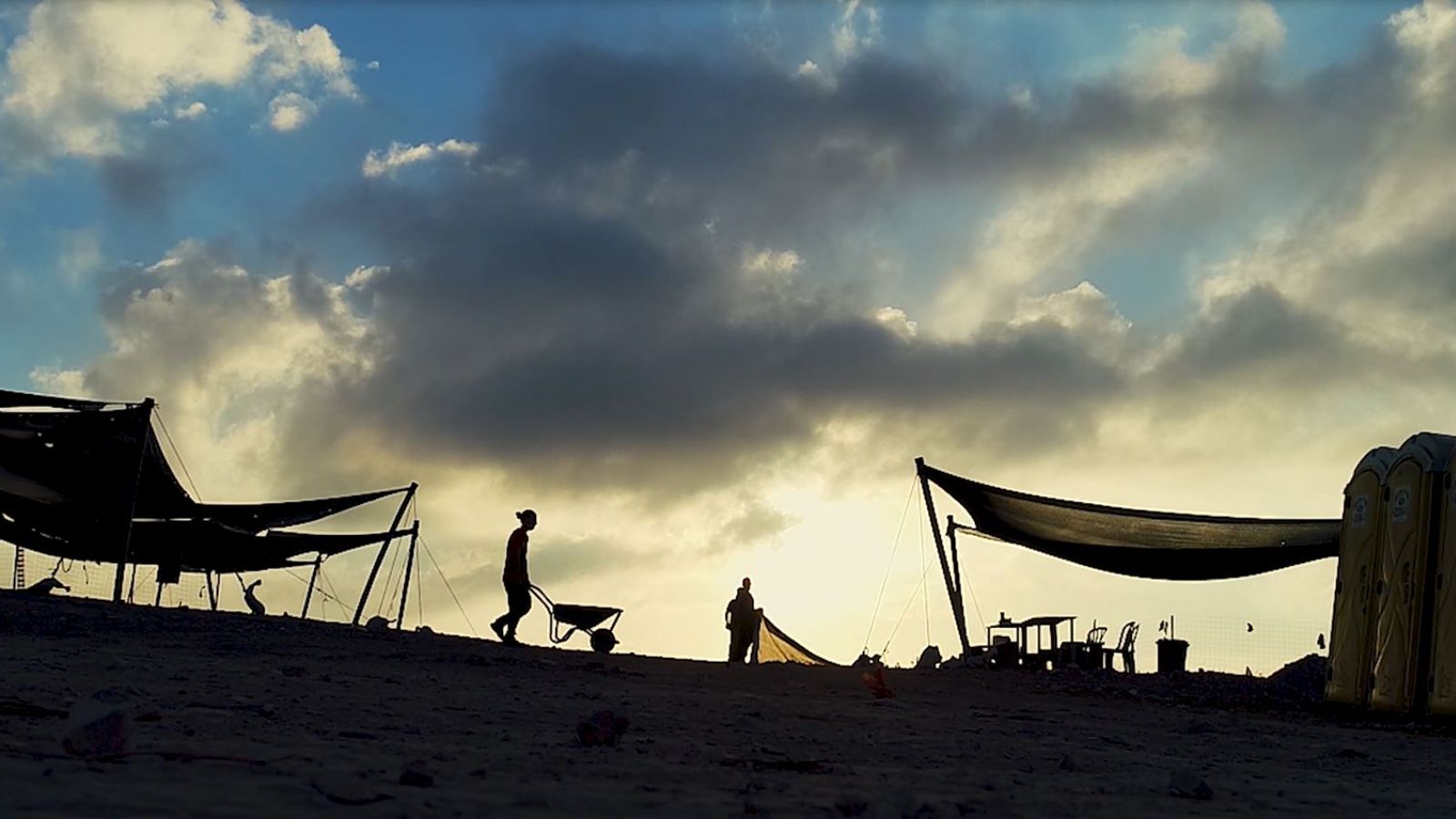
Soaps created in the workshop over 1,000 years ago were made of olive oil and saltwort ashes and were left to dry in the desert sun.
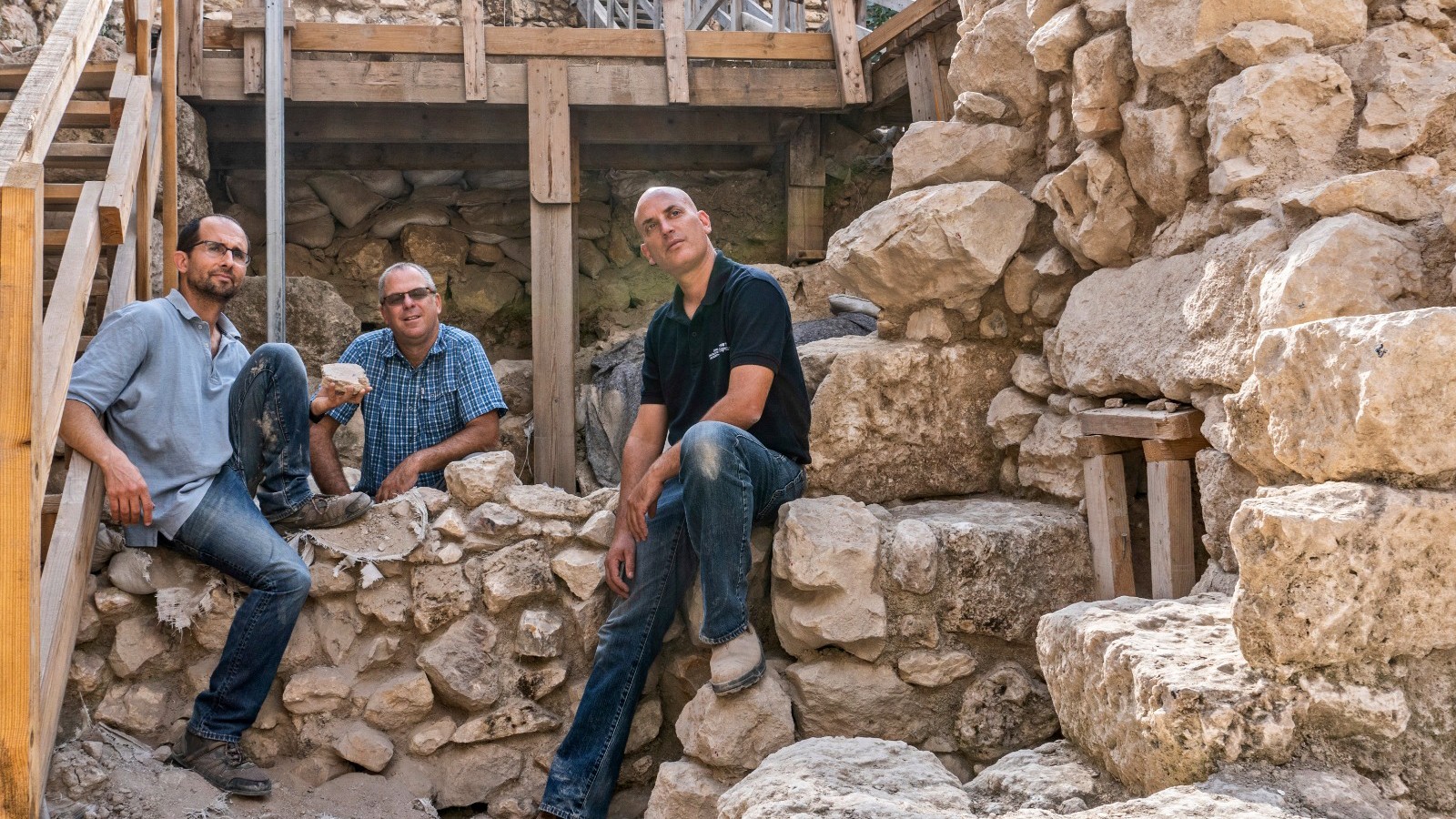
Scientists discover Earth’s magnetic field on the 9th of Av, 586 BCE – revealing the immensity of the Babylonian Empire’s destruction of Jerusalem.
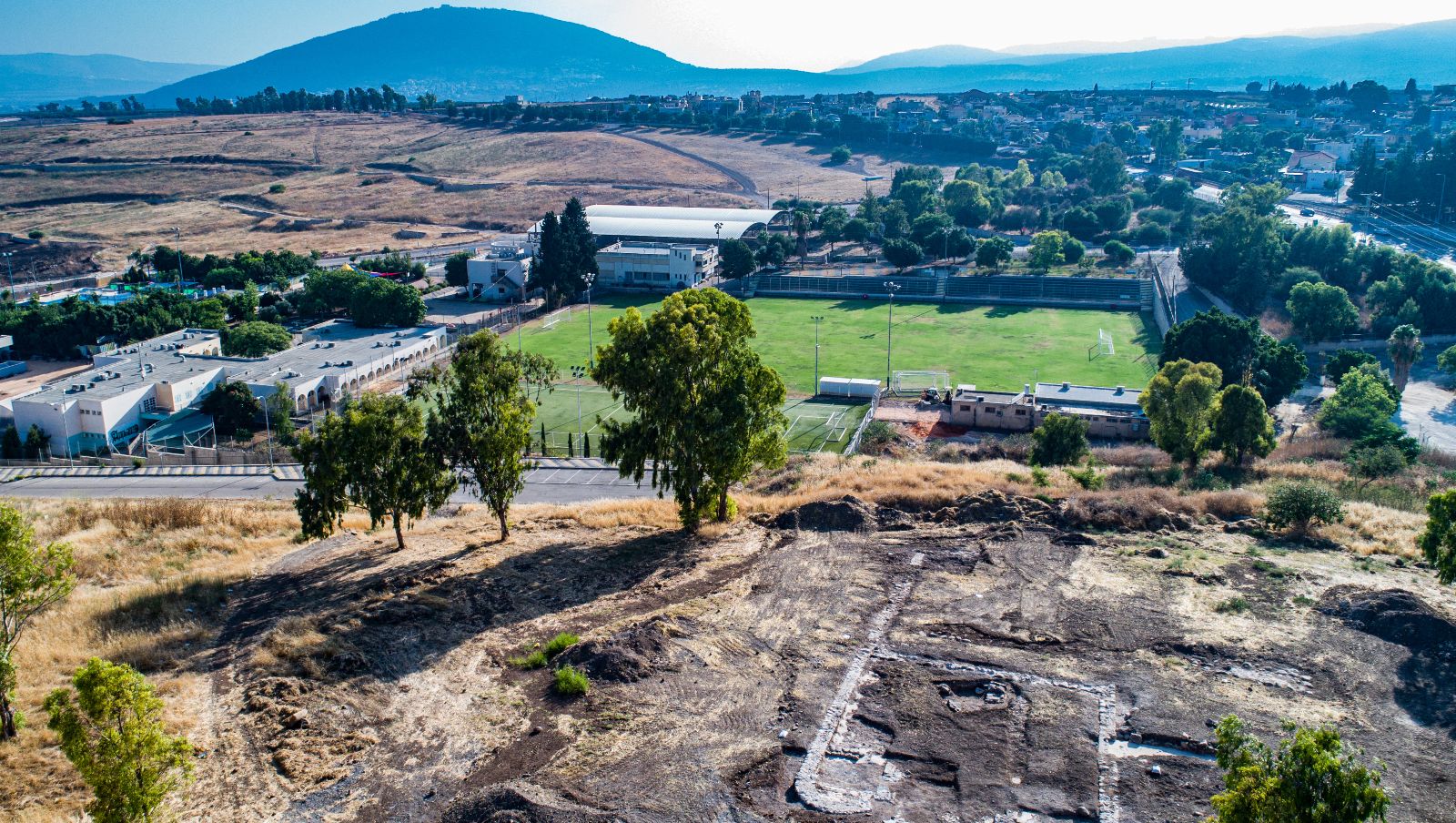
Findings of a second church in Kfar Kama near Mount Tabor and the site of the Transfiguration hints at its importance during the Byzantine period.
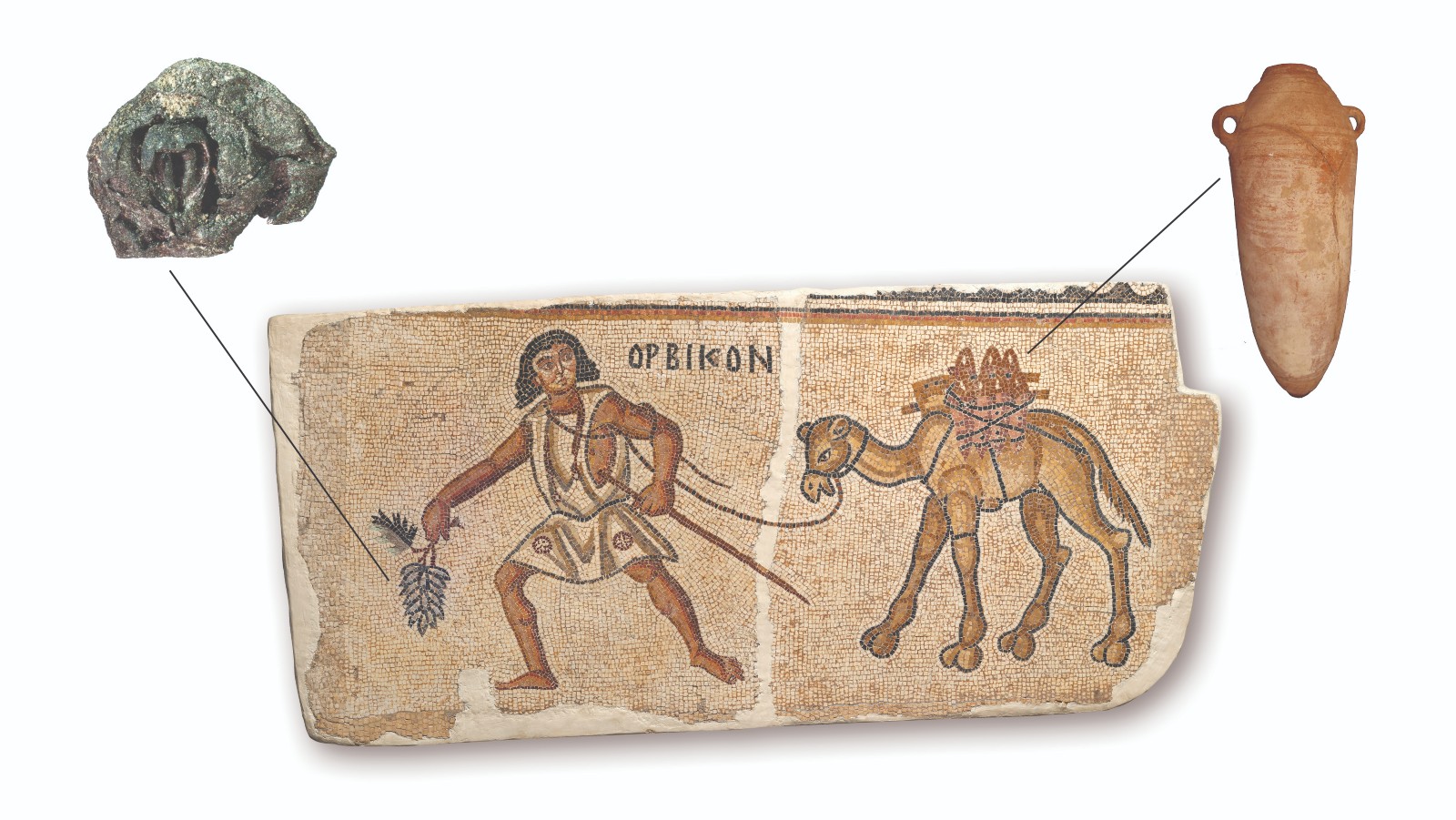
The proportion of grape pips to grain seeds reveals collapse of ancient Negev economy in the grip of pandemic and climate change.