
10 amazing archeological finds, discovered by accident
In Israel, people who are out and about regularly stumble upon, come across or even just lean on what turn out to be ancient treasures.

In Israel, people who are out and about regularly stumble upon, come across or even just lean on what turn out to be ancient treasures.

Study finds that humans from 500,000 years ago in what is now southern Israel reshaped and reused stone tools rather than make new ones.

Analysis of animal remains at 23,000-year-old fisher-hunter-gatherer camp near Sea of Galilee yields surprising conclusion.
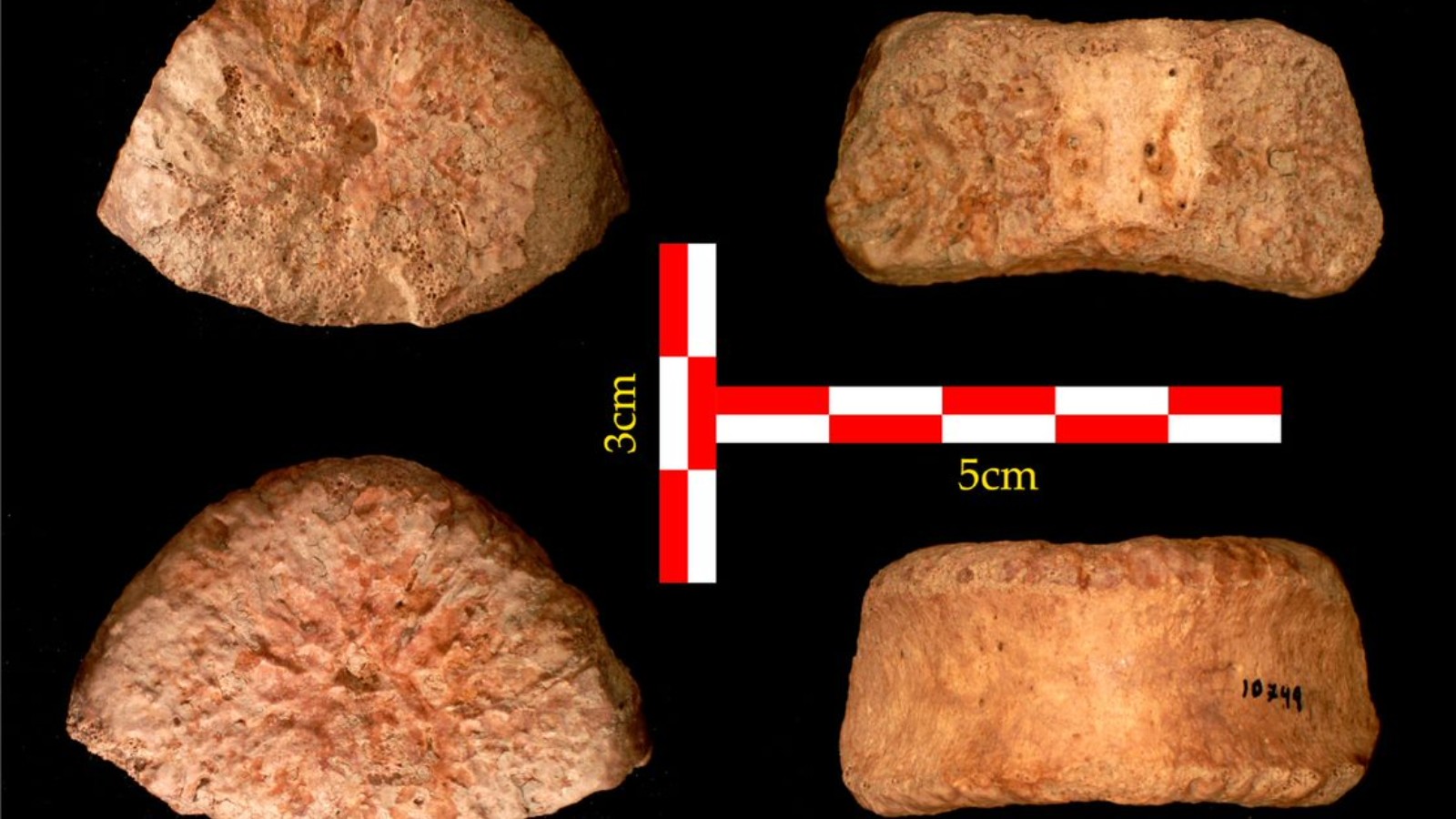
Prehistoric bone found in Jordan Valley is oldest evidence of ancient human migration from Africa to the Levant.

Jerusalem’s wealthiest elites had the rare luxury of toilets 2,700 years ago, but poor hygiene and sanitary conditions led to chronic stomach troubles.
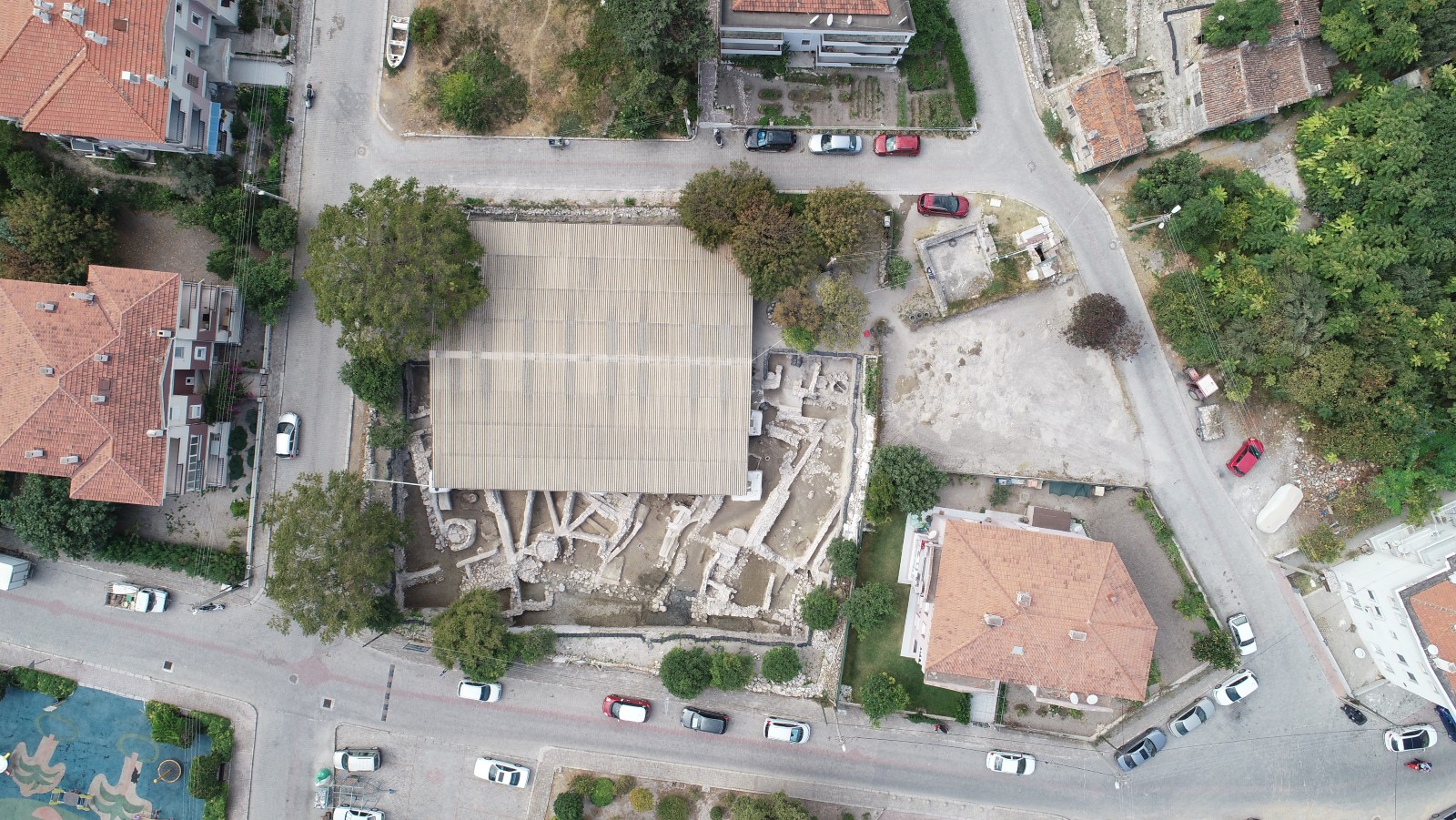
Israeli and Turkish researchers dig up remnants of massive natural disaster set off by a volcano, leaving a coastal community dormant for a century.
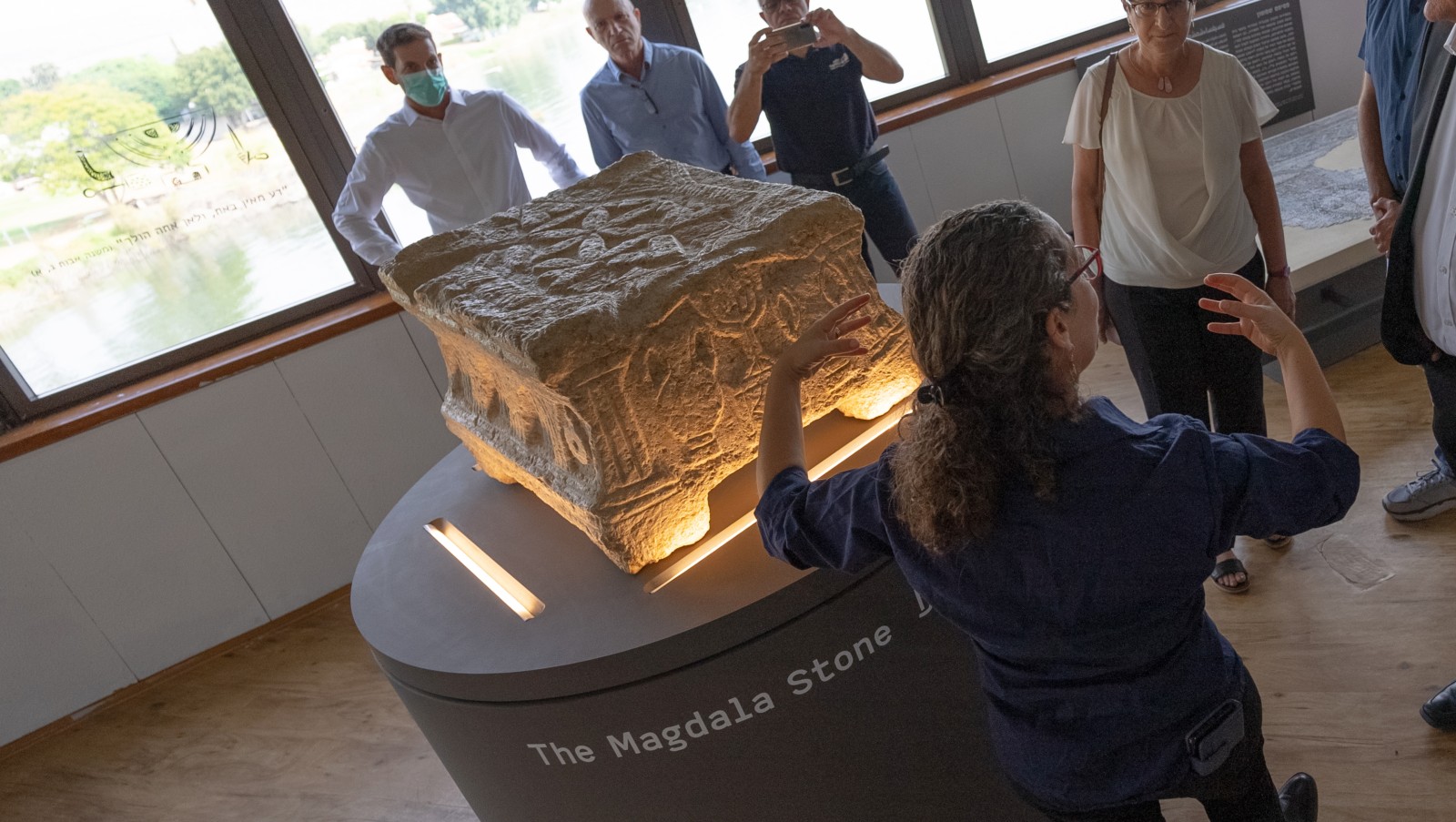
New Sanhedrin Trail exhibition at the Yigal Allon Center on Kibbutz Ginosar includes 150 rare ancient artifacts from the Israel Antiquities Authority.

Look what Israeli archeologists have dug up from the Hasmonean dynasty that ruled the land following the Maccabees’ Hanukkah triumph.

The rare silver shekel may have been minted in the Jewish Temple during the revolt against Roman rule.

From historical finds and peculiar habits to innovative green tech and medical screenings, Israeli toilets tell you a whole lot about us.
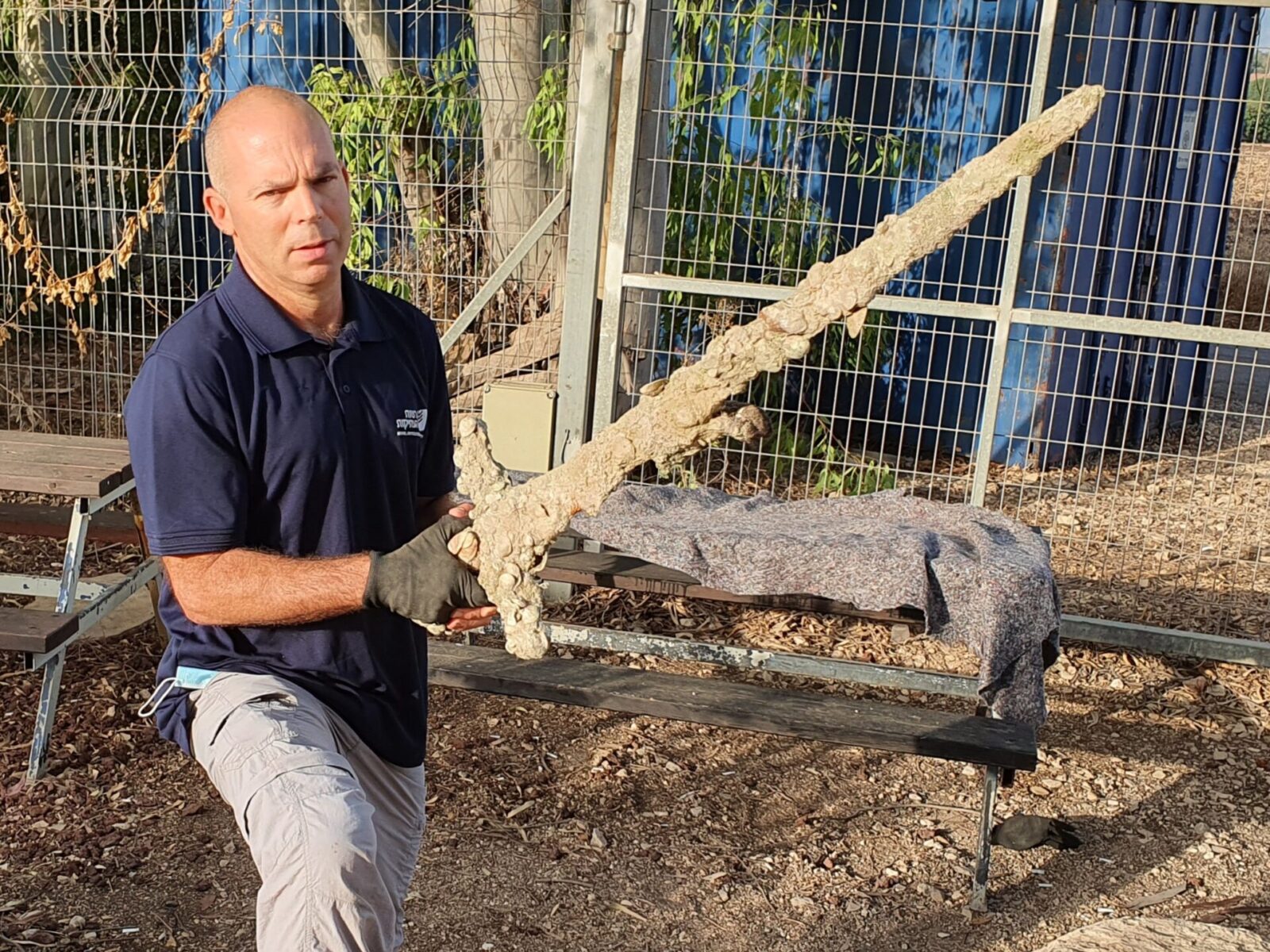
A scuba diver has discovered an ancient iron Crusader sword on the sea bed off the Carmel coast in Israel.
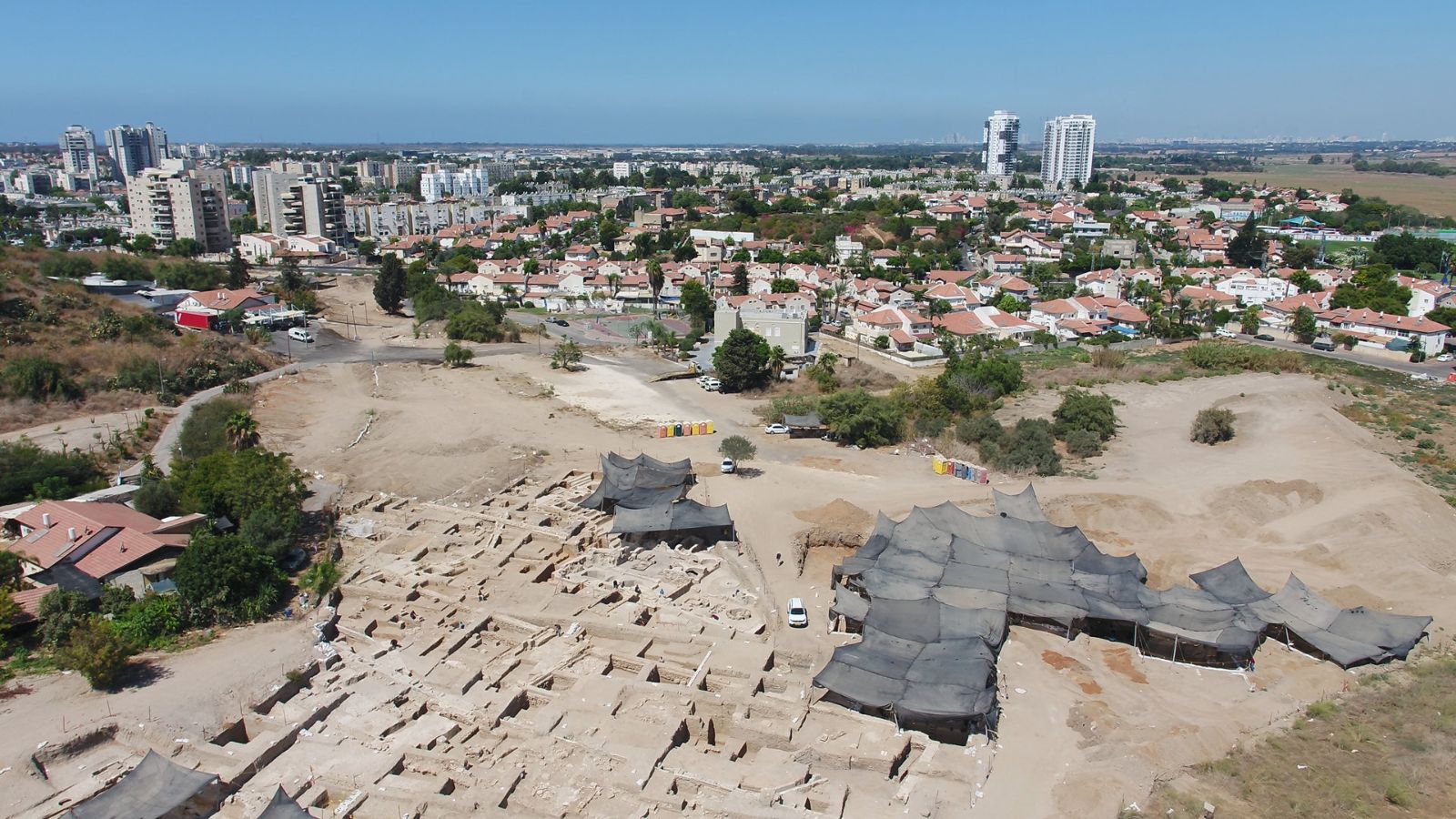
The huge wine production complex produced 2 million liters of wine annually, which were marketed across the Mediterranean.

Archeologists discover comfortable private toilet in ancient and luxurious royal mansion overlooking the City of David and Temple Mount.
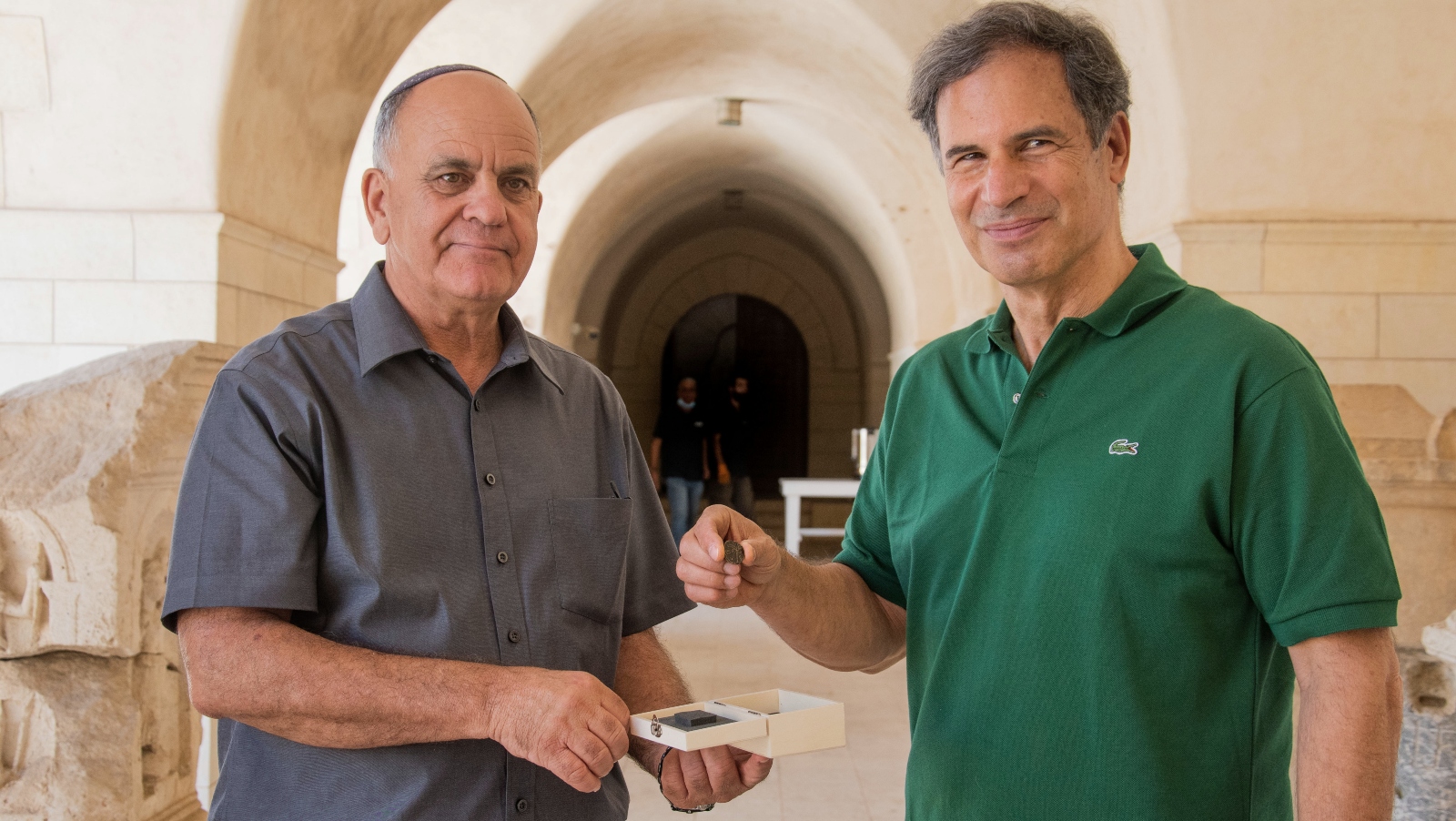
Eytan Stibbe is set to go into space with a small coin from the second-century times of the Bar Kochba Revolt, gifted to him to bring him luck.

The new findings update what was previously the earliest destruction layer of Jerusalem – from the Babylonian conquest of 586 BCE.