
Tel Aviv University and Google launch ‘AI for Social Good’
The new three-year program will coordinate collaborations between AI researchers and researchers in the social sciences and humanities.

The new three-year program will coordinate collaborations between AI researchers and researchers in the social sciences and humanities.
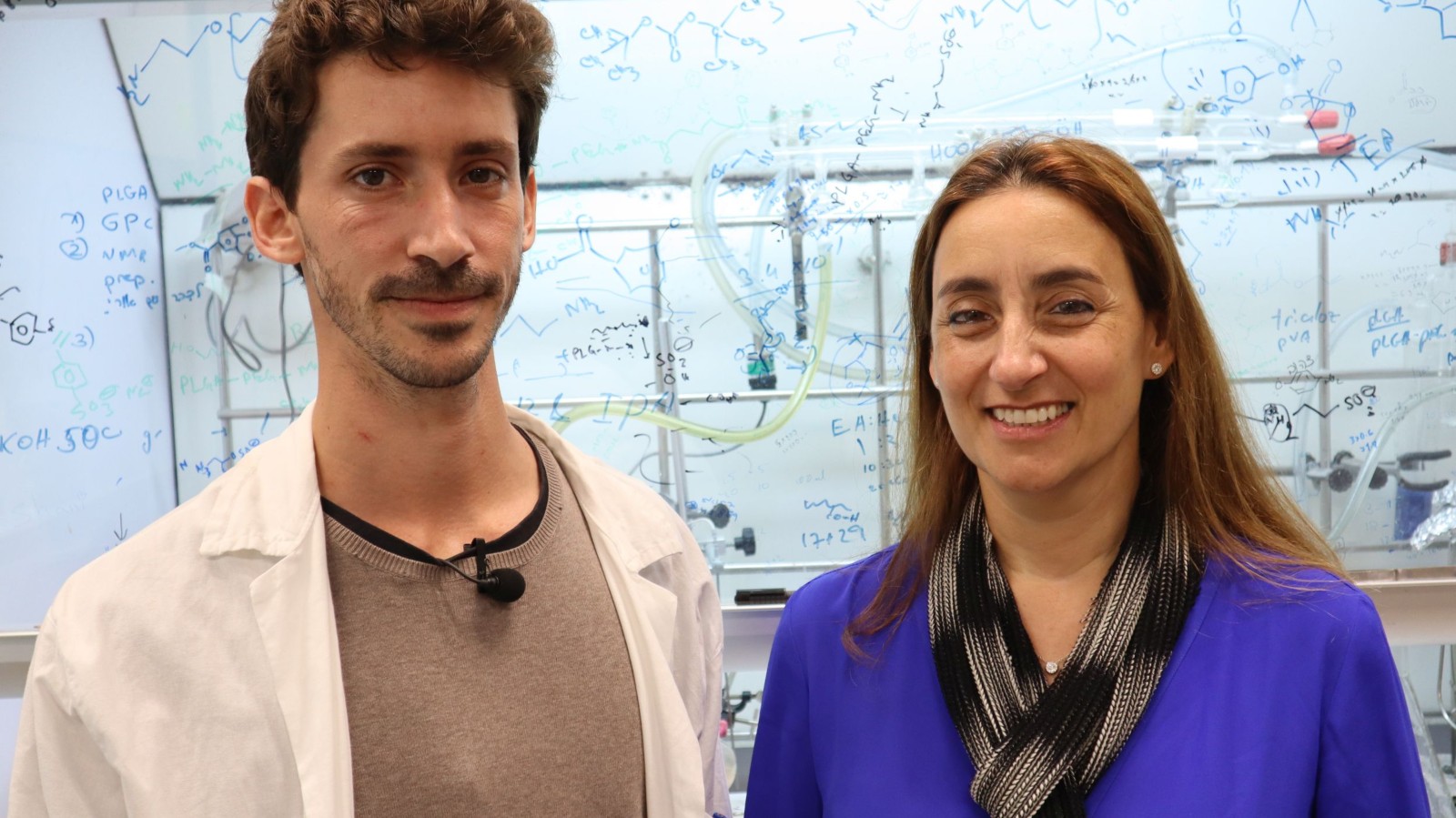
Glioblastoma is an aggressive cancer that accounts for most malignant brain tumors. An Israeli researcher may have found its weak spot.

About 1.8 million poisonous snakebites occur annually, especially among farmers. Now it’s possible to predict when and where snakebites may occur.

Director of US National Institute of Allergy and Infectious Diseases to receive $1 million in recognition of lifetime achievements in public health.

Multidisciplinary center connects hospitals, government and academic institutions in Israel and around the world to prepare for future epidemics.
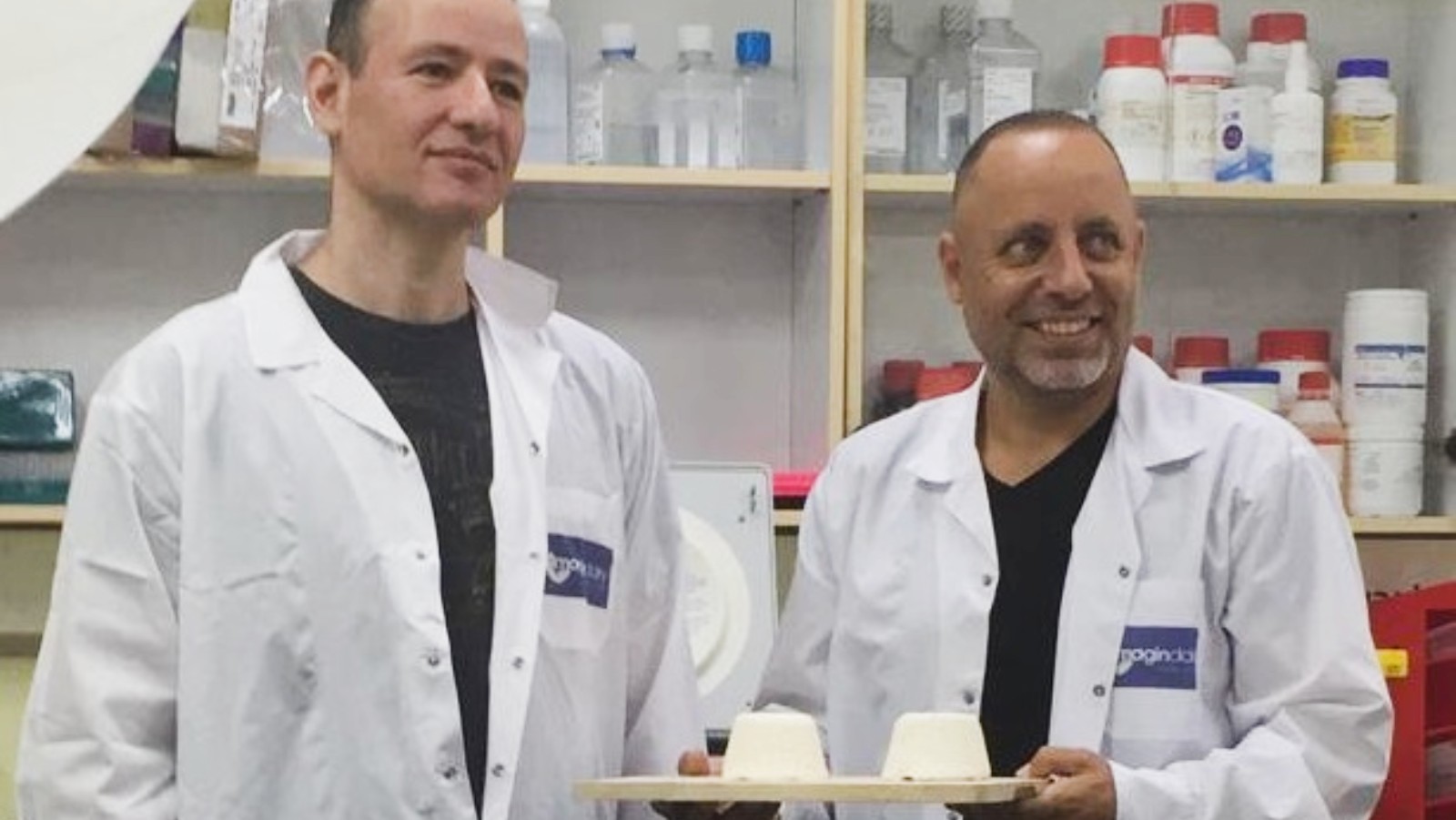
The yeast-generated dairy products will have the nutrition, taste and texture of real dairy without any animal suffering or environmental damage.
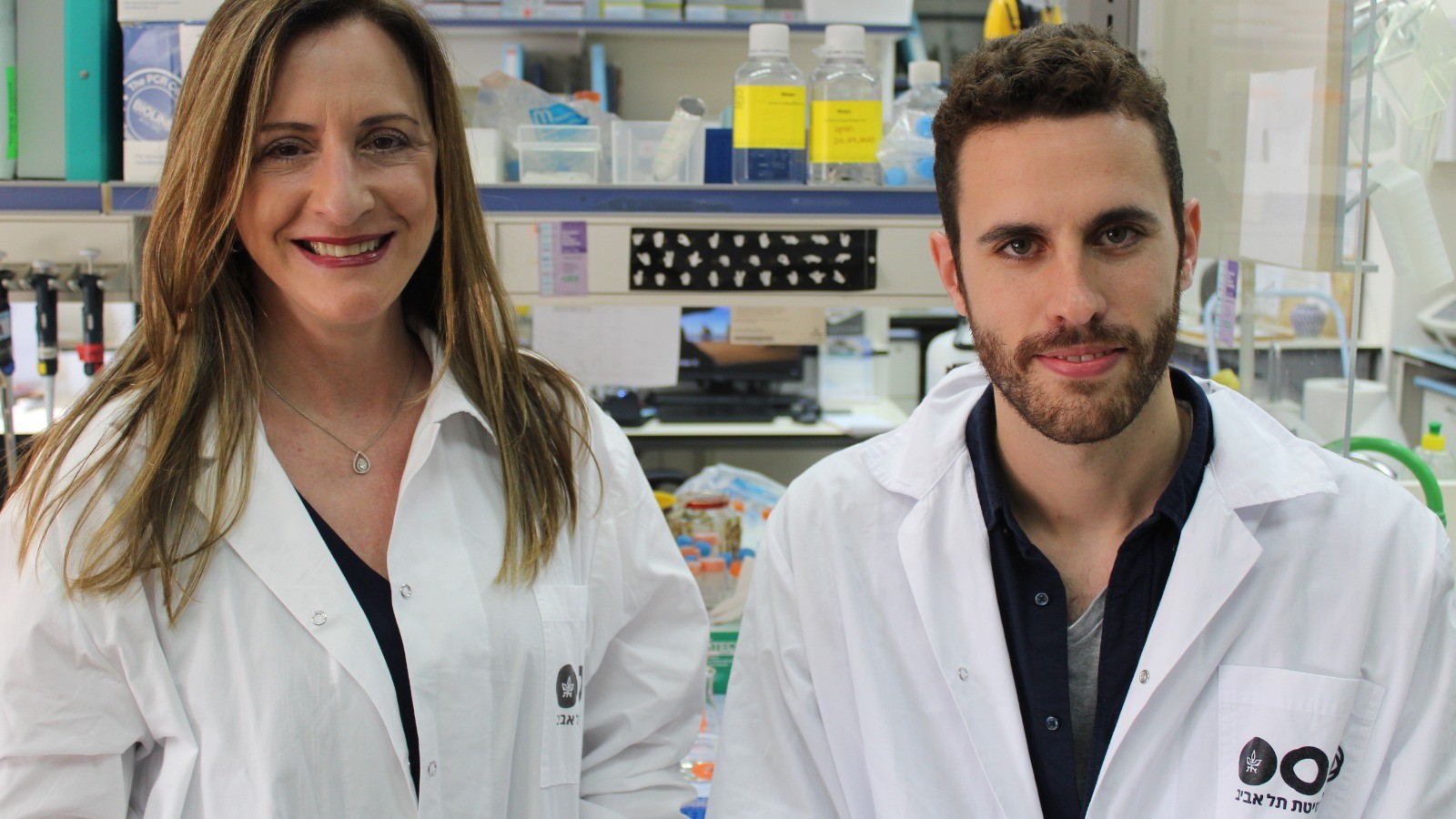
Replacing defective genes that cause gradual hearing loss in mice is successful and could lead to treatment for human babies with similar mutations.

Stanford University study ranks 333 Tel Aviv University faculty in top 2% worldwide in their respective fields, based on publications and citations.

A new development from Tel Aviv University will let you take photos of race cars, runners, birds in flight, and dunking basketballs into hoops.

A study from Israel shows promise for a novel nanotechnology that can increase life expectancy in people with brain and ovarian cancers.

Ariel and Tel Aviv universities intend their nanosatellites to make the space world affordable and accessible to researchers anywhere.

Students from Pakistan, Indonesia, Qatar and Afghanistan all tuned in to a course previously enjoyed only in a Tel Aviv classroom.

Stress associated with student loans plays key role in failure of 48% of US college graduates to secure fulltime employment after graduation.

Researchers show that stress-inflammatory response-reducing treatment during colorectal cancer surgery decreased metastatic risk.

Low-frequency ultrasound bursts microscopic bubbles injected into tumors; explosion kills the majority of the surrounding cancer cells.