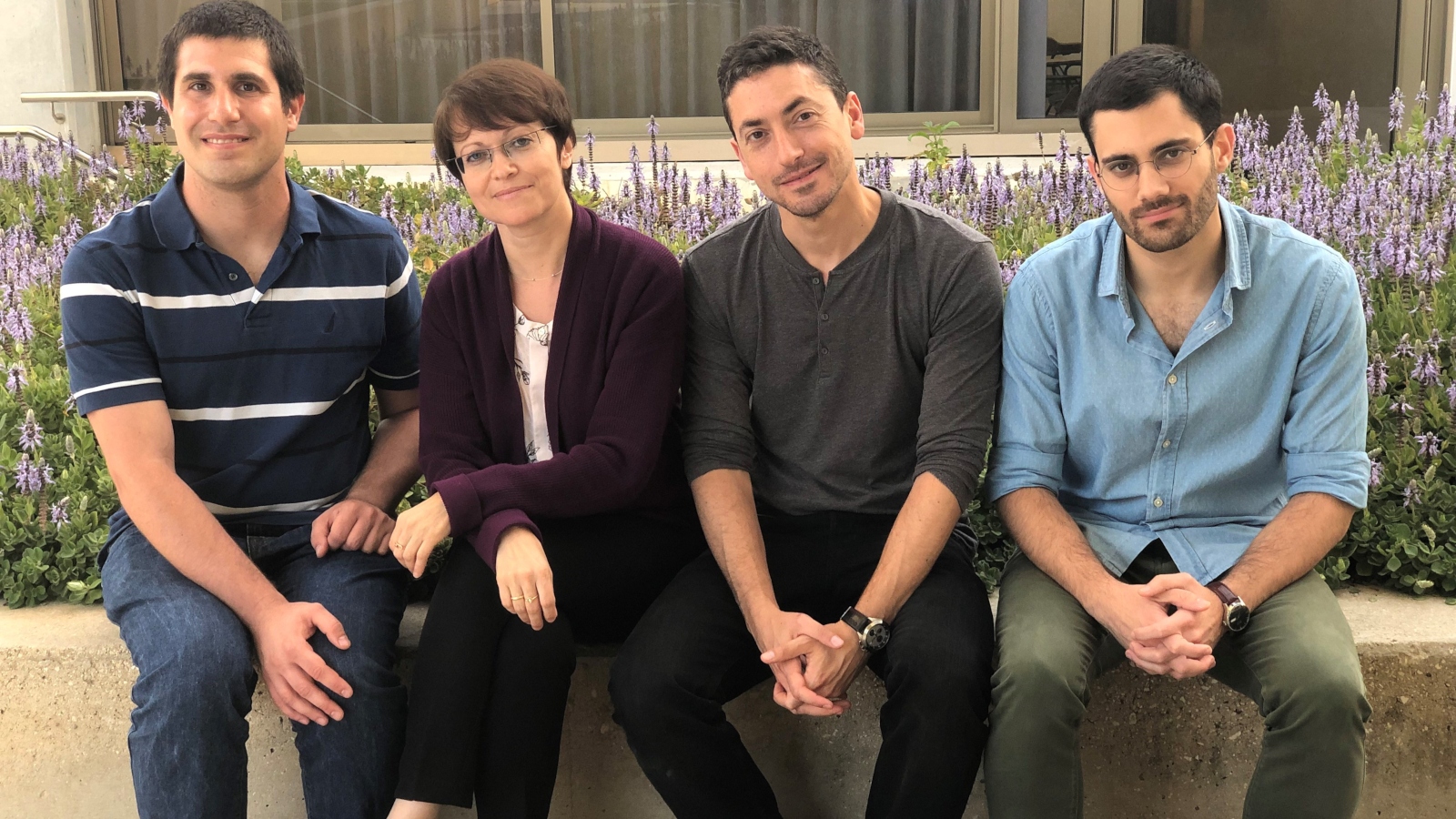
Israeli breakthrough may lead to new epilepsy treatment
A drug targeting the enzyme DHODH could correct the abnormal set point of the ‘thermostat’ in the brain cells of epileptic patients.

A drug targeting the enzyme DHODH could correct the abnormal set point of the ‘thermostat’ in the brain cells of epileptic patients.

Both species likely hailed from ancestors that came from Africa and adapted to conditions in Ice Age Europe, Israeli study suggests.
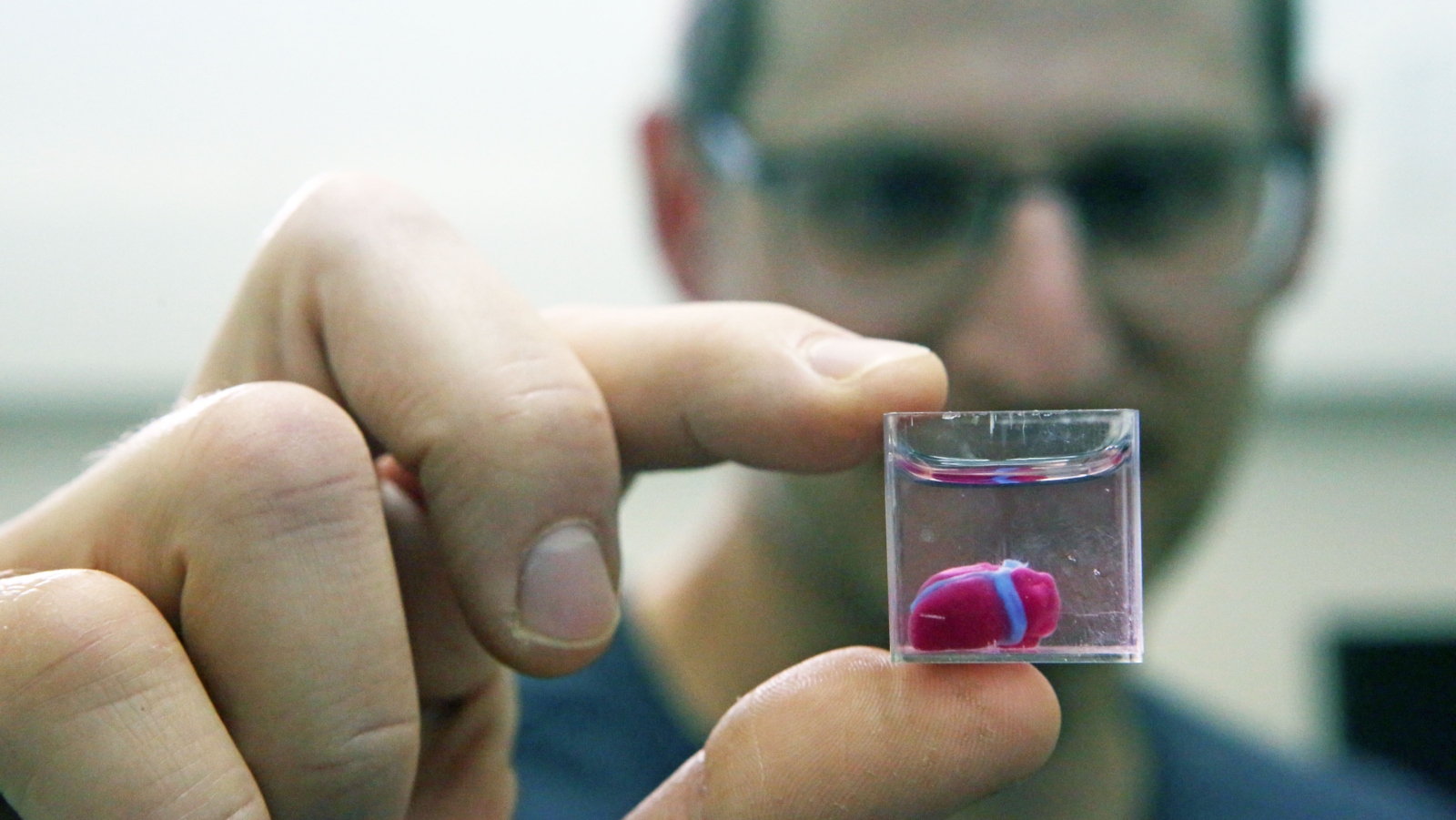
In major step towards 3D printed organs, scientists in Tel Aviv print heart with cells and blood vessels.

Extremely low frequency electromagnetic fields may have had a tangible impact on life on Earth.

Ubiquilin-4 protein biomarker provides critical information about cancer tumors and patients’ chances of responding to treatment.
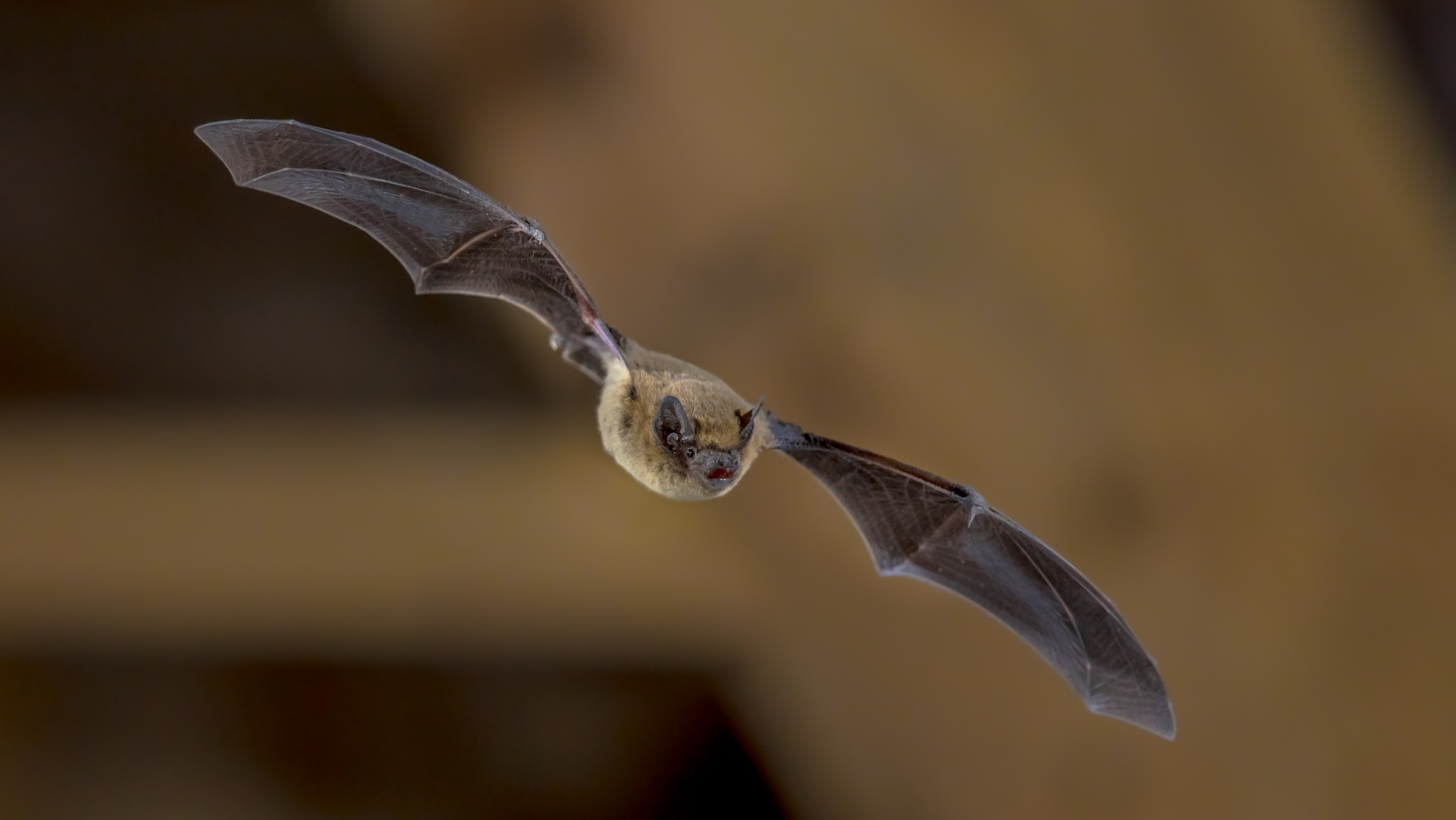
Robat has an ultrasonic speaker that produces frequency-modulated chirps, plus two ultrasonic microphone ‘ears’ and an artificial neural network.

The two-step process uses lightly heated solvents to extract organic compounds, while simultaneously removing heavy metals with chelating agents.

2018-2019 PitchBook Universities Report ranks Tel Aviv University, Technion-Israel Institute of Technology, Hebrew University among top 50 in world.
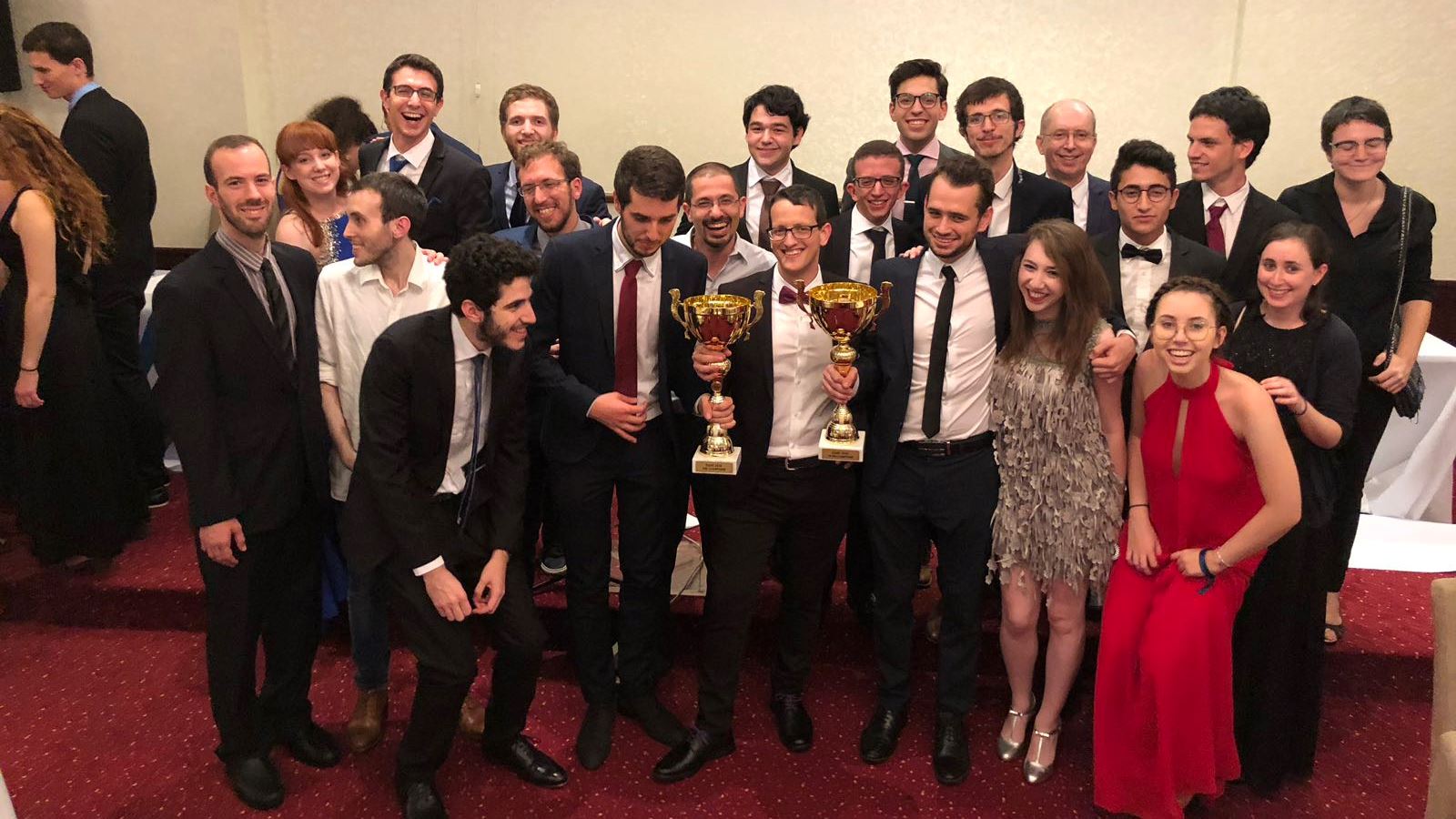
In a first, Israelis win trophies not only for English-as-a-second-language debate but also English as a native language debate in annual competition.

Novel enzyme treatment may reduce inflammation and scarring that prevent neuronal regeneration, Israeli researchers say.

The new technique, developed by Israeli researchers, may improve survival rates and allow surgeons to remove more cancer cells than ever before.

A mechanism involving specific microRNA and muscle molecules is found to play a role in the development of amyotrophic lateral sclerosis.

Israeli researchers discuss progress and challenges towards targeted delivery of cancer therapeutics.

Combining antidepressant therapy with mood stabilizers can help prevent re-hospitalization from bipolar depression, Israeli researchers say.

Israel’s first university-based venture capital fund is estimated at $20m and will focus on short-term seed investments over seven years.