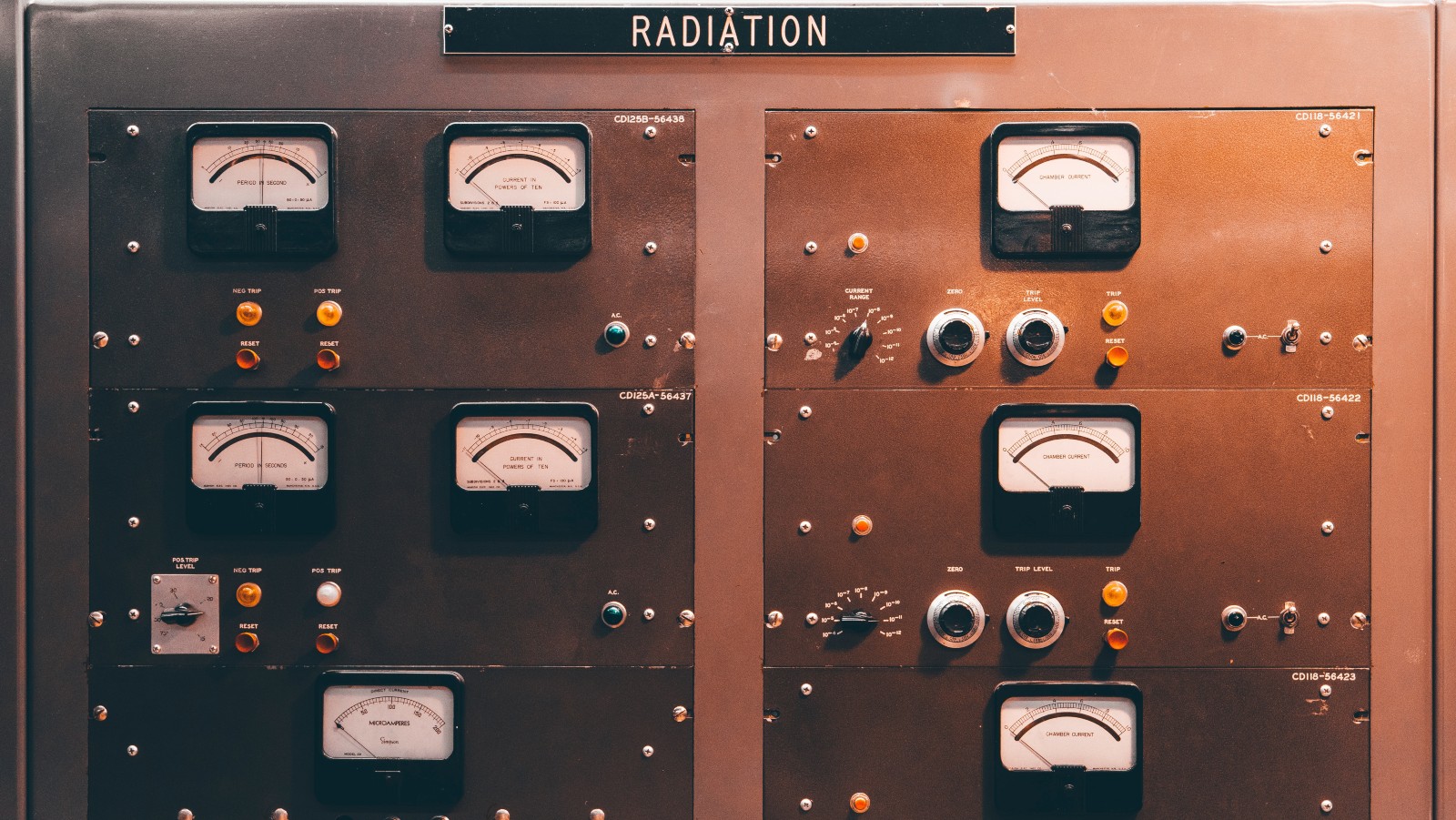
Scientists discover high background radiation cuts cancer risk
Study of entire US population by Israeli researchers yields surprising findings regarding radiation and cancer, challenging current paradigms.

Study of entire US population by Israeli researchers yields surprising findings regarding radiation and cancer, challenging current paradigms.
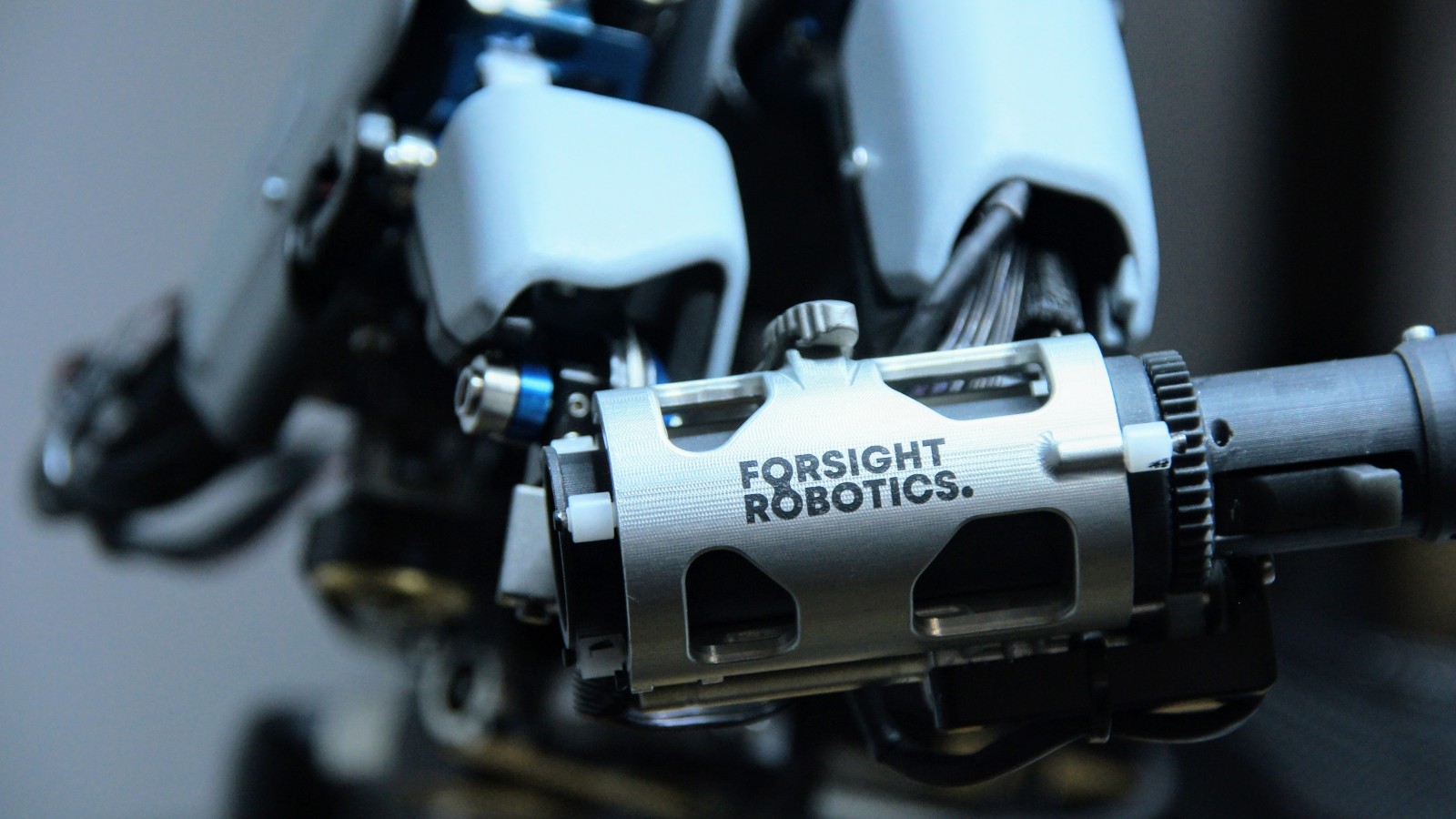
ForSight Robotics of Haifa is developing a robotic surgical platform that will ‘enable the transformation of ophthalmic surgery from art to science.’

‘Covid-19 and the various viral mutations will likely be with us for a long time and thus effective treatment is key,’ says Pepticom CEO.

Tests show the zinc-oxide treated fabric not only neutralizes SARS-CoV-2 and H1N1, but also bacteria that are causing ‘maskne’ during the pandemic.

A new luggage disinfection machine may become part of the biosecurity routine as global travel resumes.
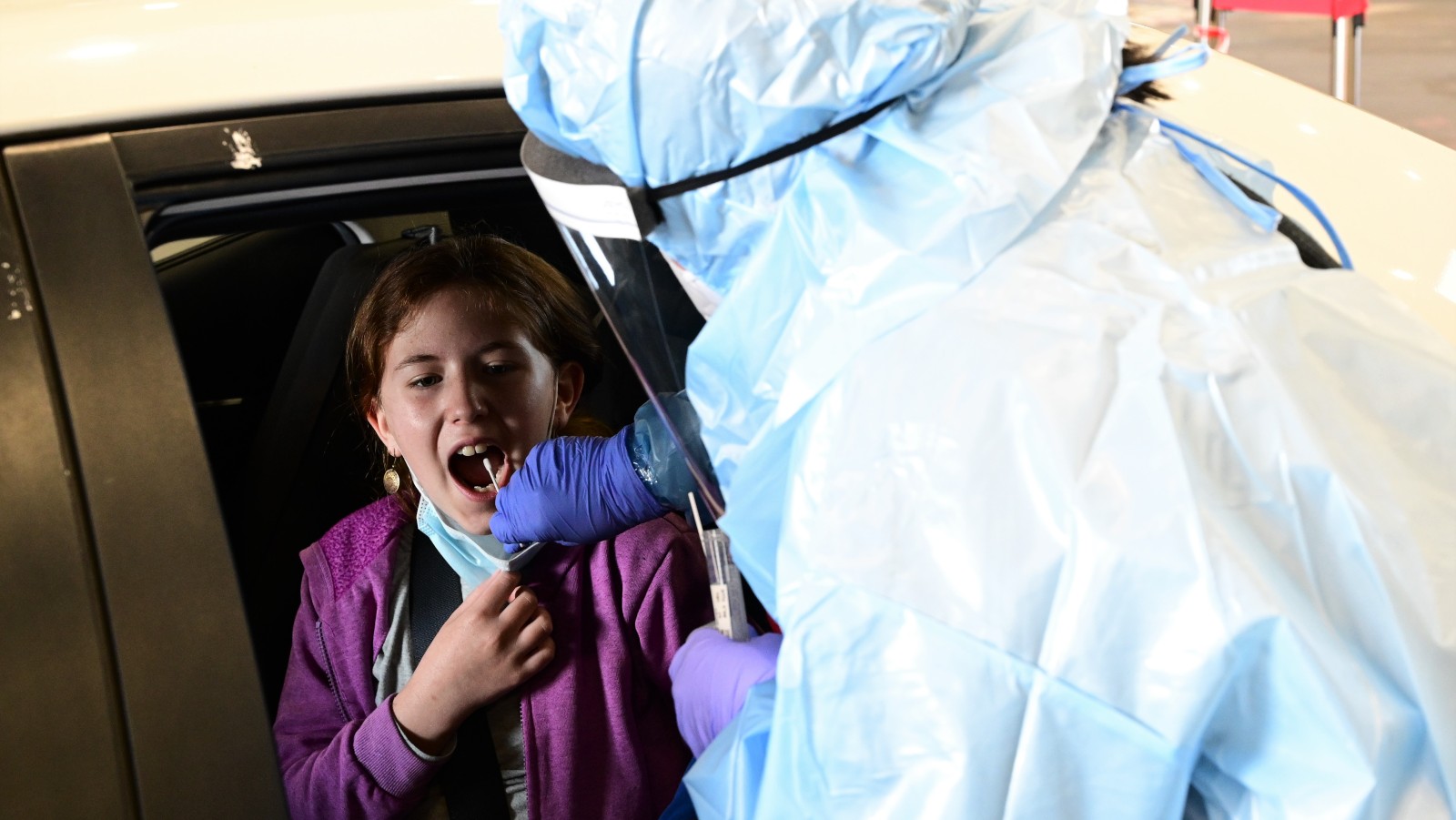
Quick testing of coronavirus strains can enable effective response and containment measures.

Scientists say this common non-motor symptom of Parkinson’s could predate diagnosis of the neurological disease by up to 20 years.
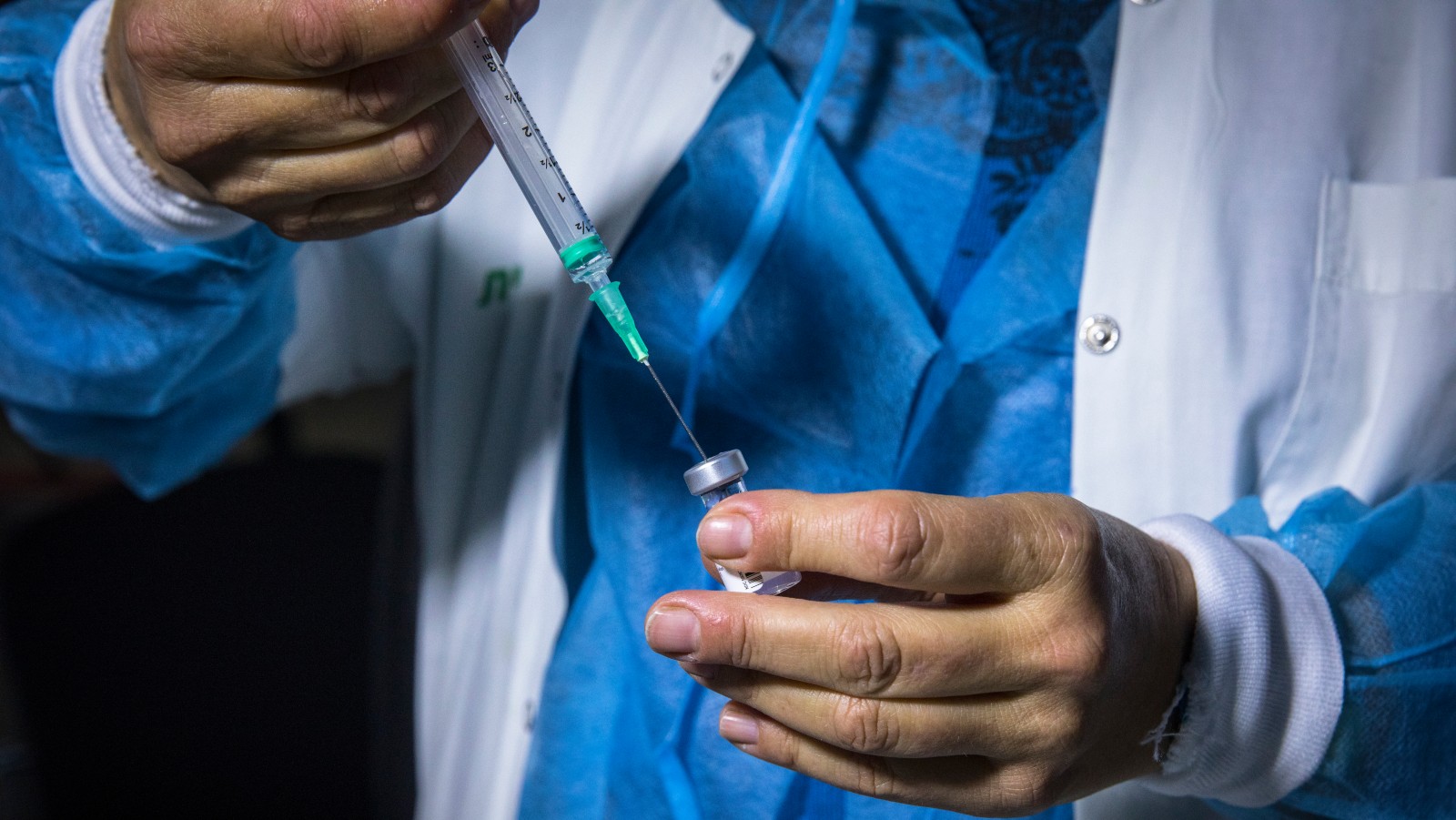
Israeli humanitarian aid group to support Covid-19 immunization rollout in Southern African country as part of new Global Vaccine Access initiative.

While the bioscience aspects of IVF have advanced, it lags behind other healthcare verticals in the use of data science, says Fairtility CEO.

Small study provides hope that the Pfizer vaccine produces antibodies in both blood and breastmilk and may neutralize the virus in nursing infants.

SuperCom reports that returning travelers who tried the PureCare technology suite had a positive and comfortable home quarantine experience.

People taking aspirin regularly to prevent cardiovascular disease could have reduced likelihood of Covid-19 infection and shorter duration of disease.
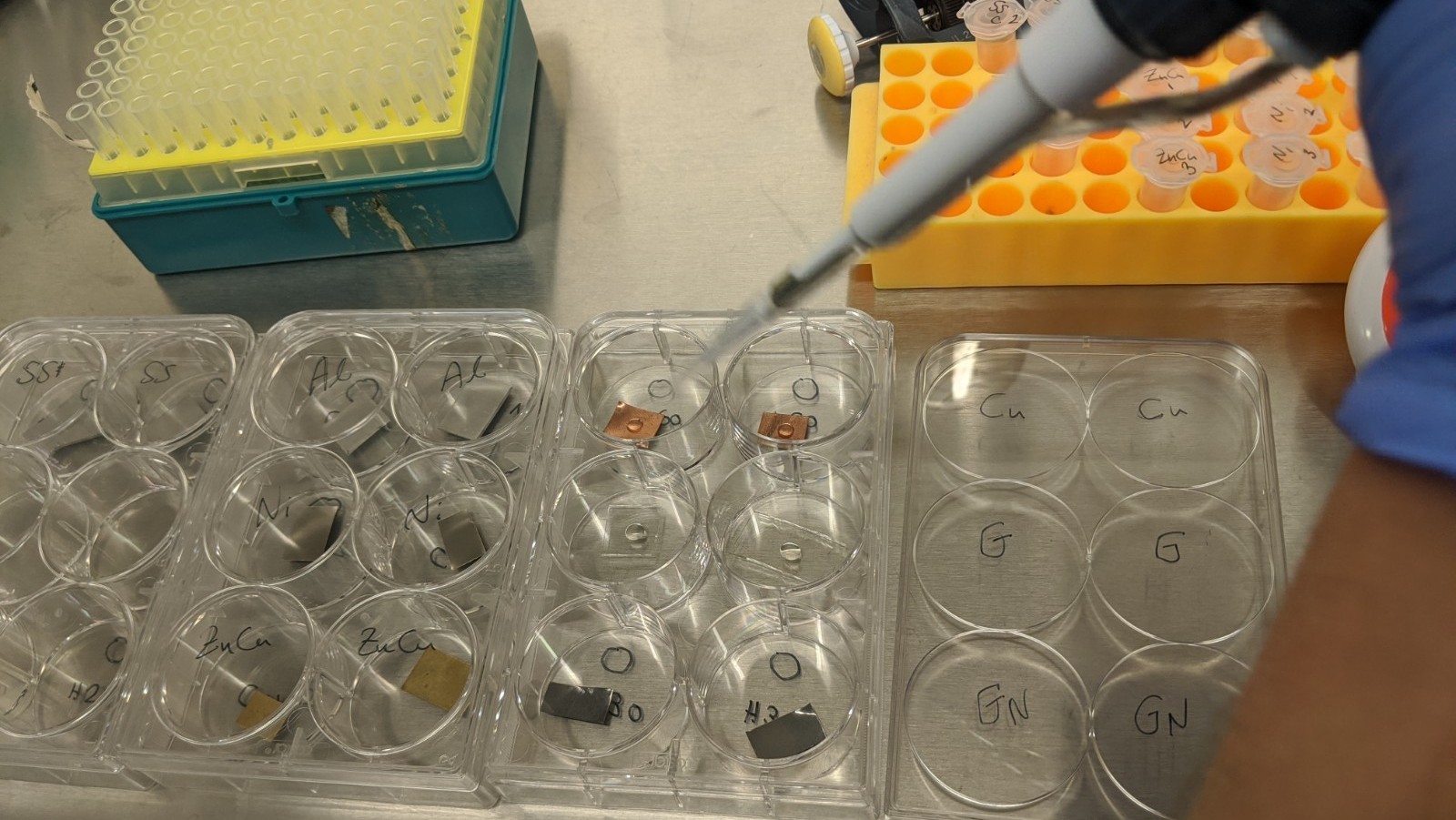
Researchers discover that gaseous ozone can quickly and cheaply sanitize entire rooms, including objects inside them and hard-to-reach locations.
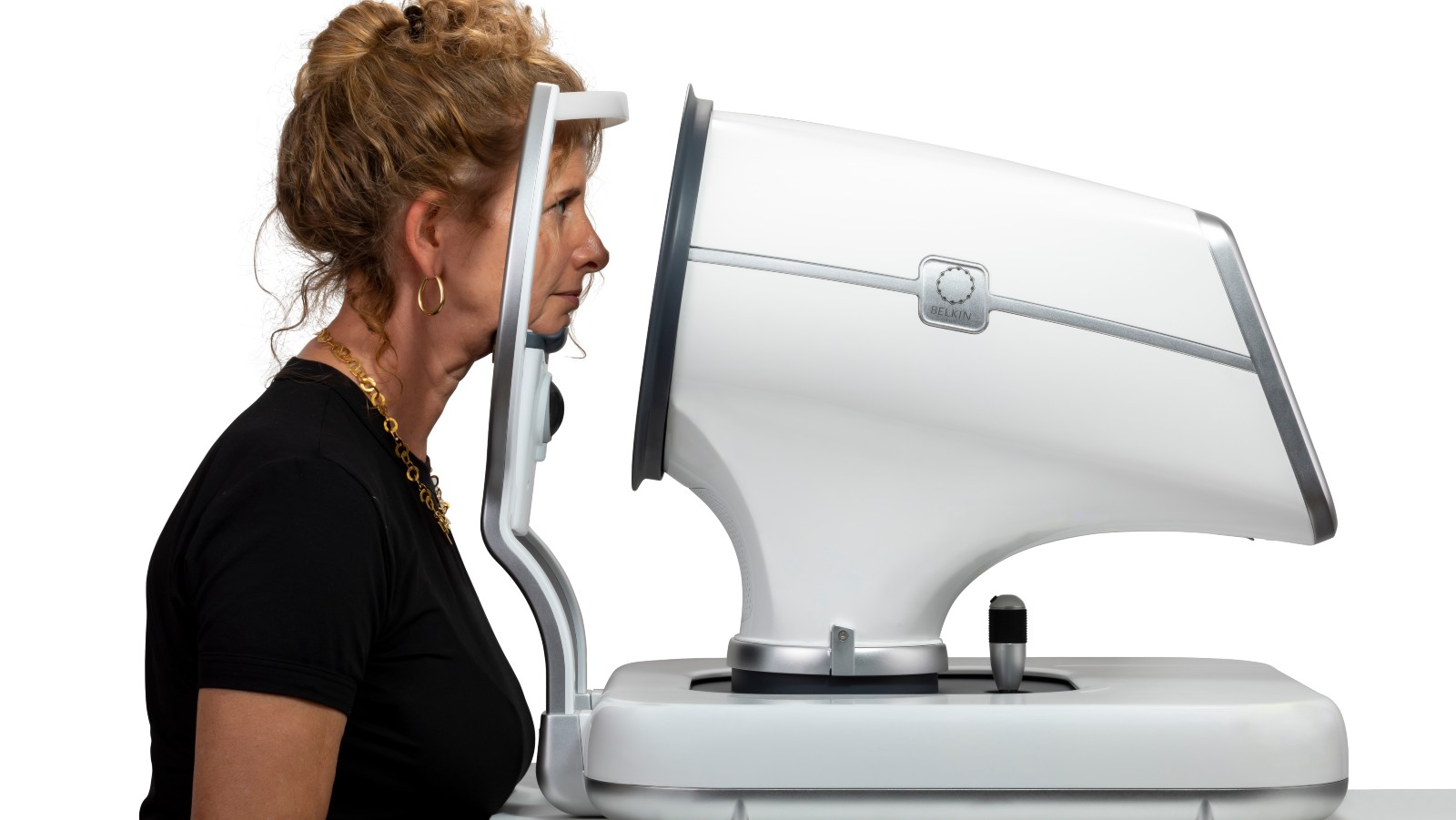
Belkin Laser’s Eagle device delivers healing laser beams quickly and without touching the patient; any ophthalmologist can use it.
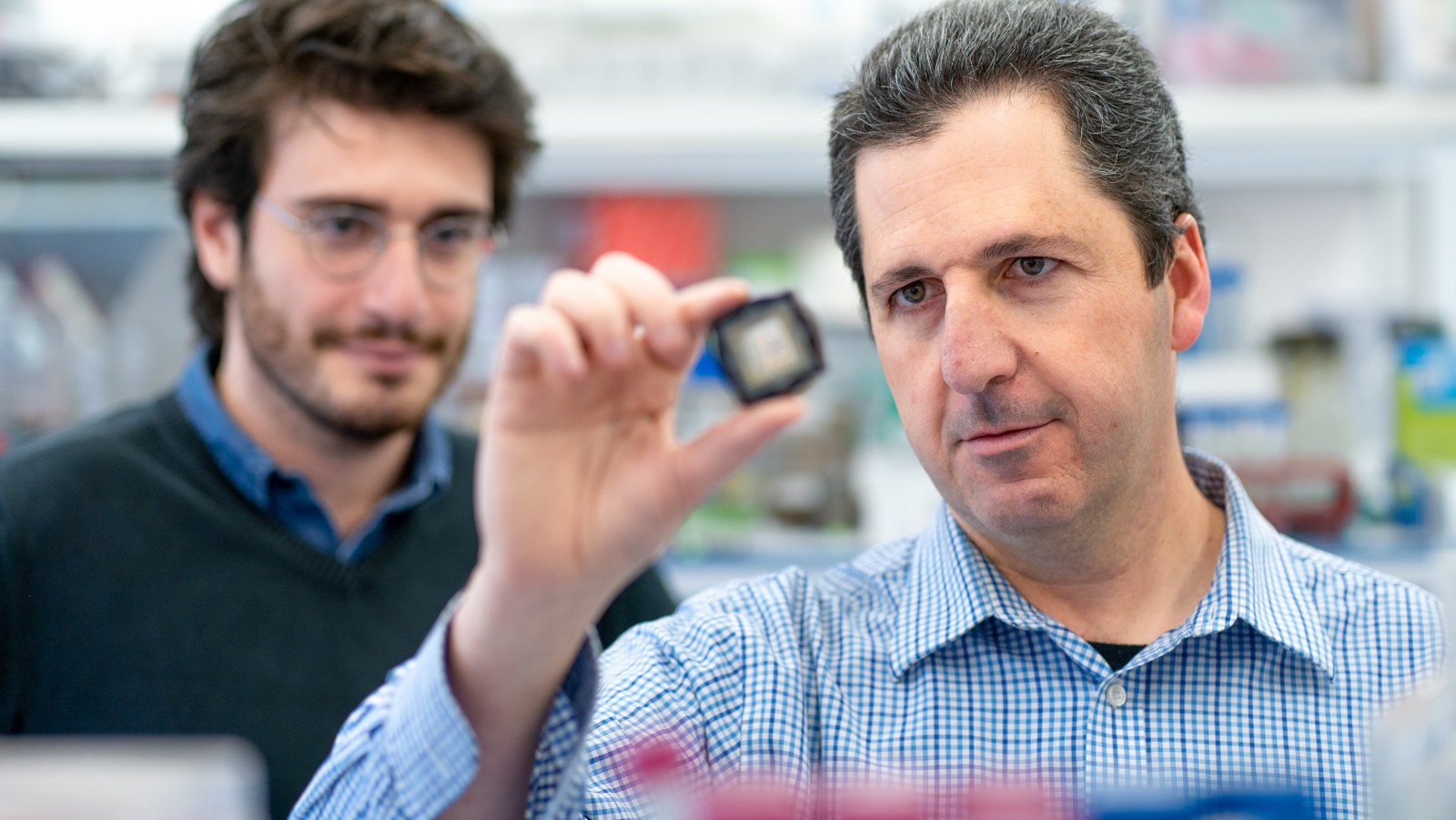
‘We are now able to insert microsensors that offer us real-time information on how drugs work and when they stop working.’