
New technology speeds up diagnosis of 7 autoimmune diseases
Predicta Med, started in memory of a friend with celiac who died in an accident, will help family doctors diagnose tricky autoimmune diseases faster.

Predicta Med, started in memory of a friend with celiac who died in an accident, will help family doctors diagnose tricky autoimmune diseases faster.

Hebrew University breakthrough in genome engineering opens the door to new “designer strains” of the plant.

Technology, already proven in mice, could ultimately help boys left infertile by chemotherapy to become fathers.

GaitBetter and OneStep are two startups using advanced technologies such as virtual reality and smartphone sensors to help us walk better.
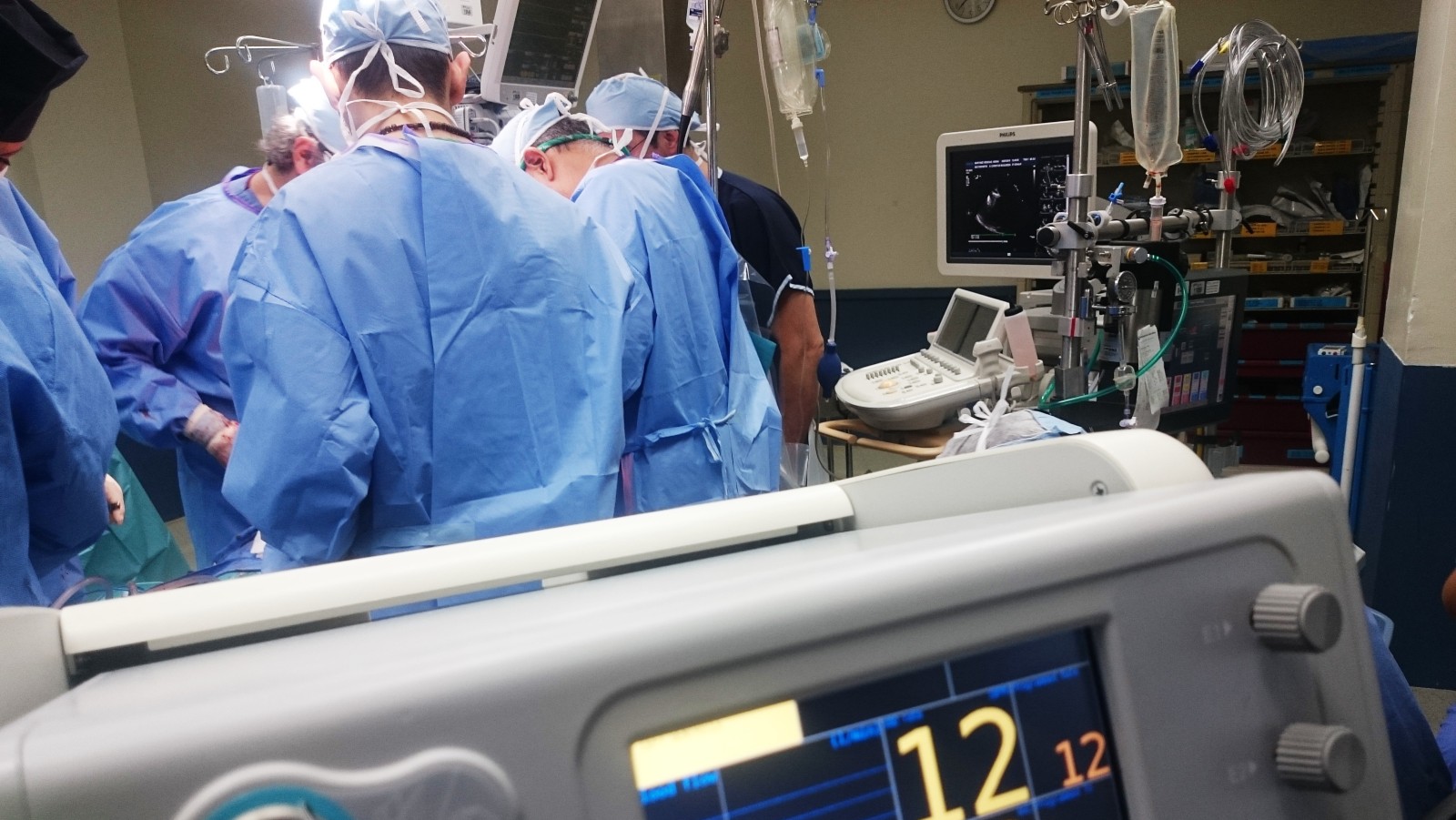
New simulation software presents realistic scenarios to strengthen decision-making processes in ICUs and emergency rooms.

Loneliness is becoming a public health crisis all over the world. Can two Israeli AI-powered technologies help solve the problem?
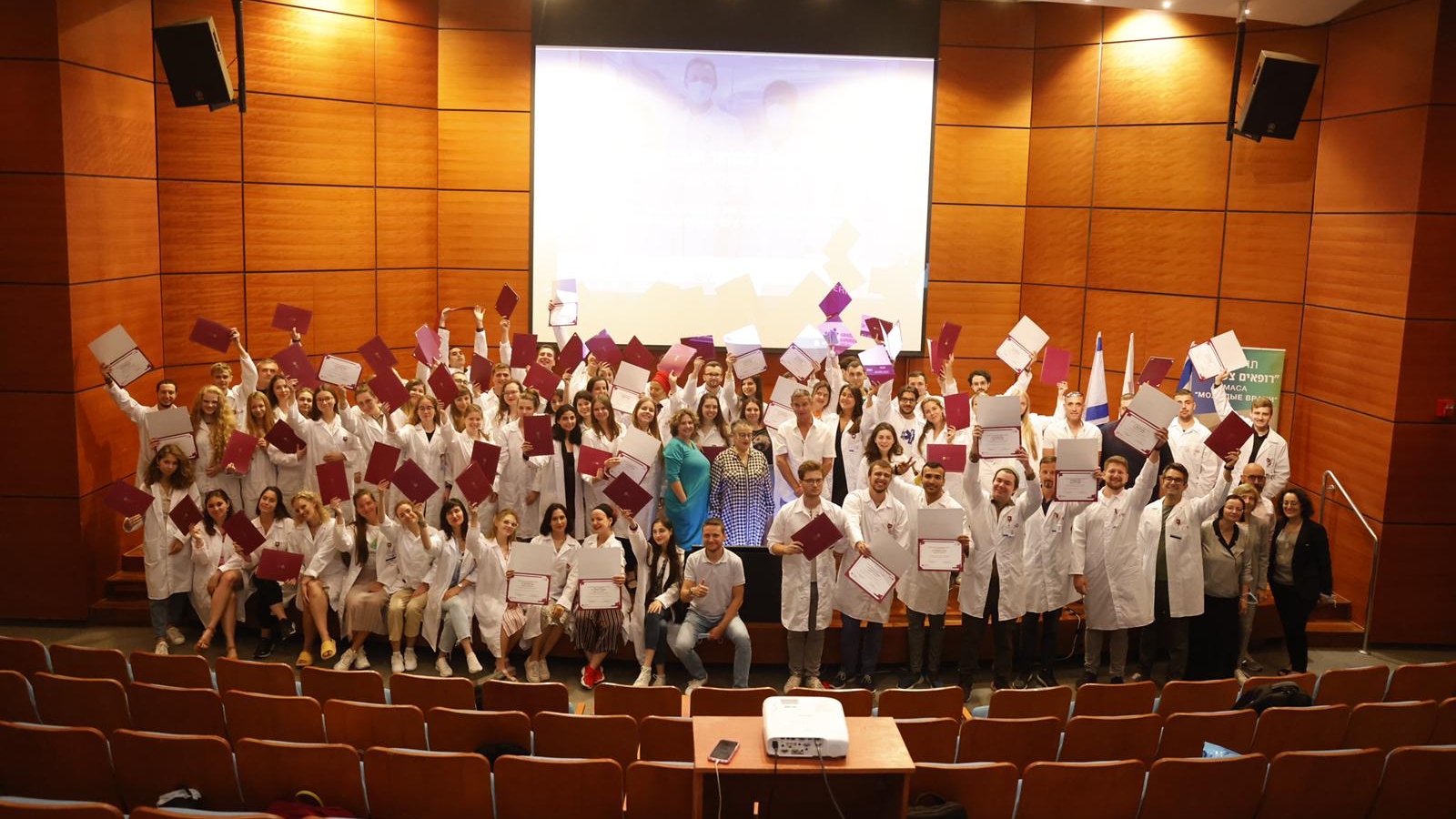
Special one-year program helps immigrant physicians from Eastern Europe prepare for Israeli life and Israeli licensing exams.
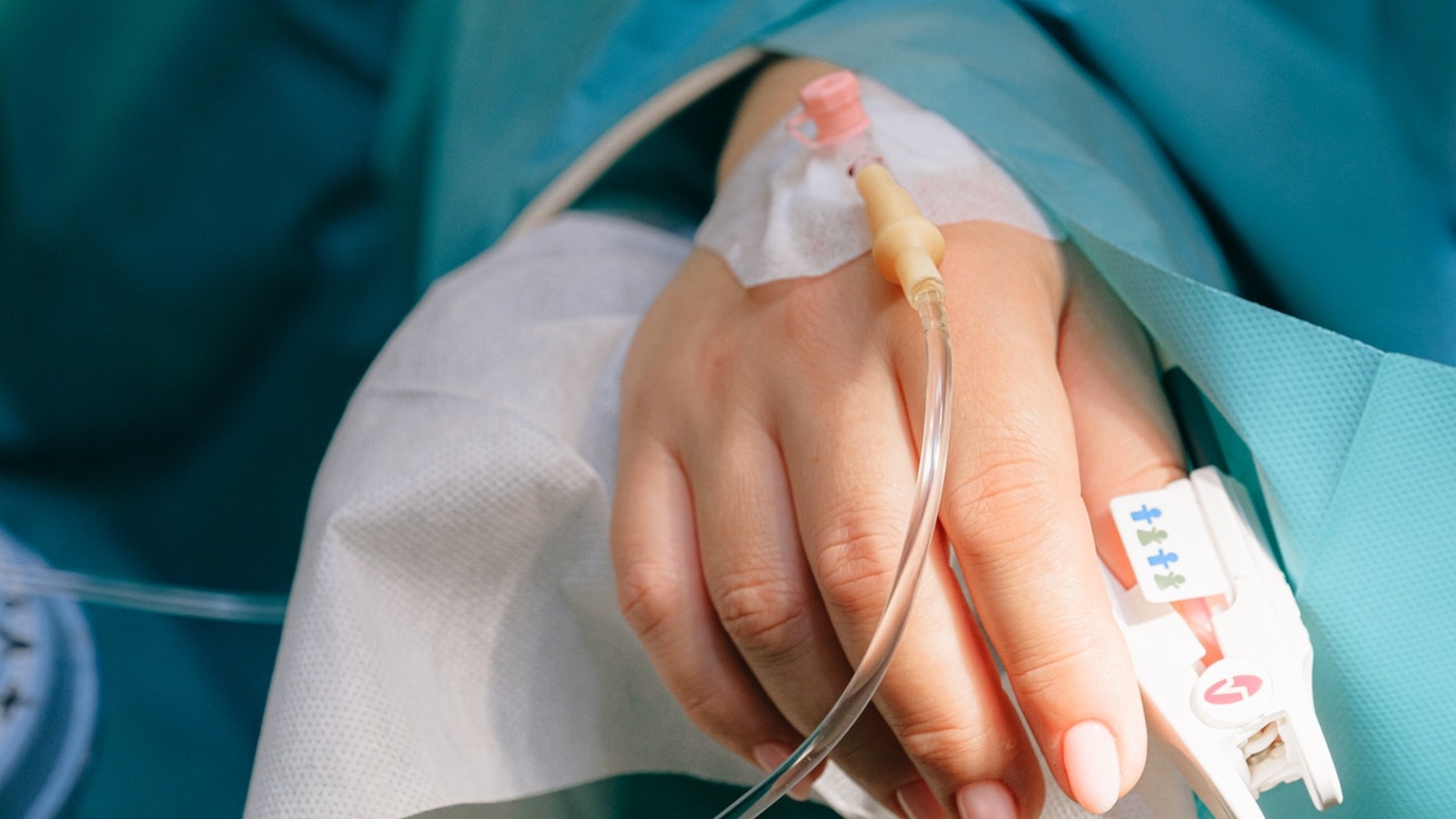
Bonus BioGroup’s MesenCure drug shown to lower the inflammatory overreaction in cancer patients that can cause multisystem failure.
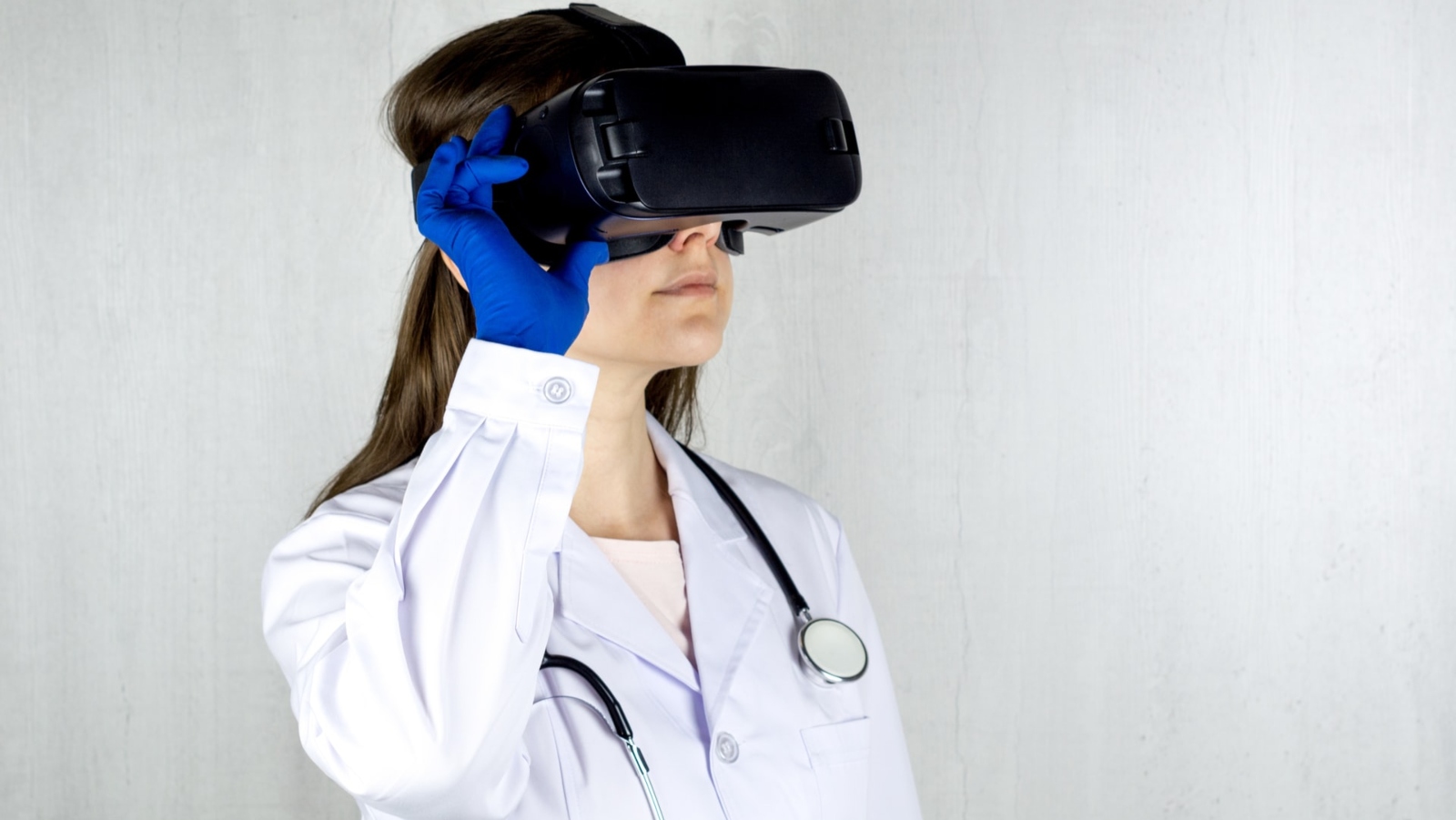
This marks the 20th anniversary of Israel’s annual life science conference and exhibition, to be held at the David InterContinental Hotel in Tel Aviv.

Madrigal Mental Care’s nano-formulation enables nose-to-brain delivery of biodegradable nanoparticles carrying psychedelics such as psilocybin.
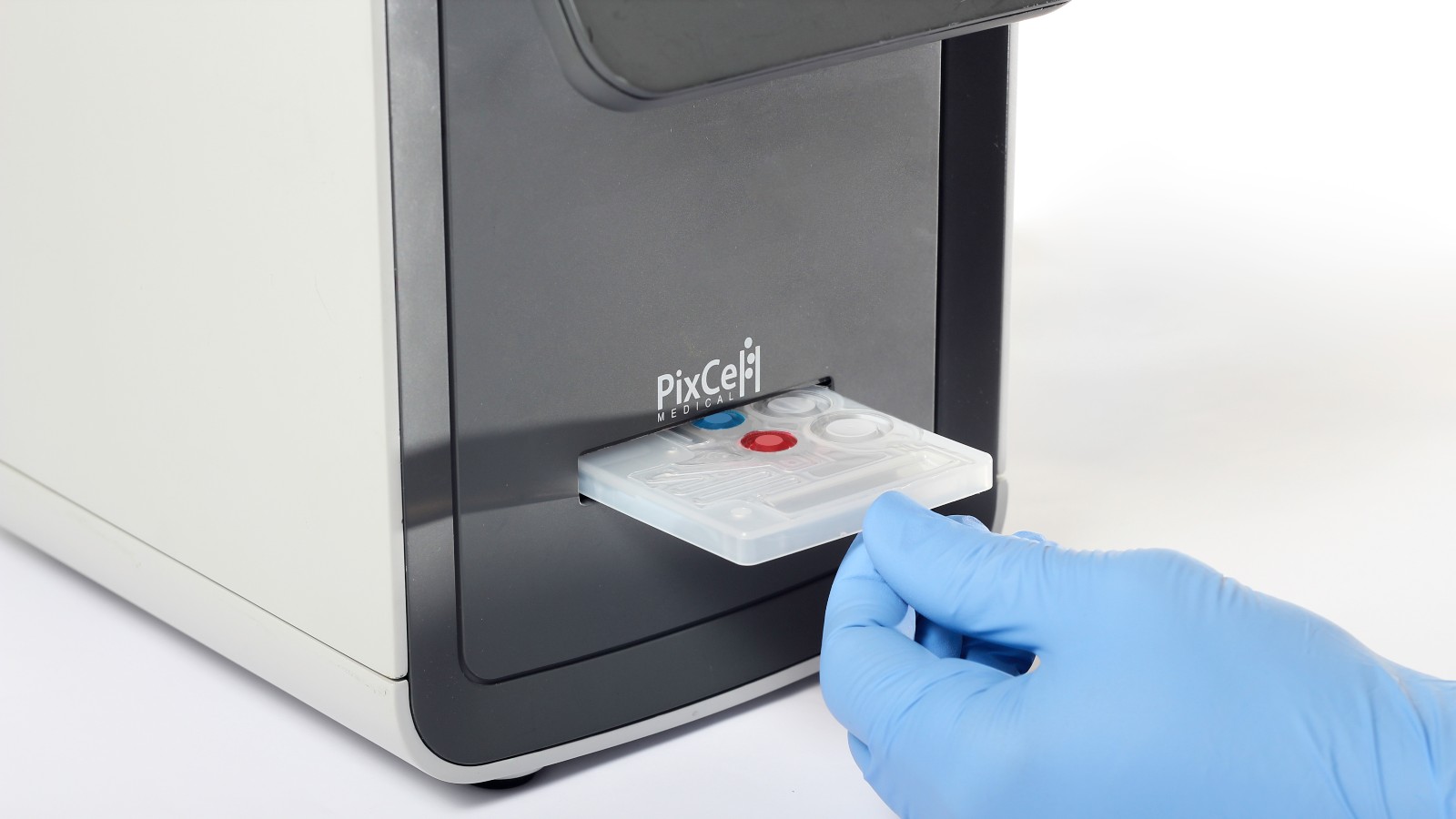
PixCell Medical’s HemoScreen performs a CBC in five minutes, enabling infection-vulnerable patients to spend less time in the clinic environment.

Evidence from sewage reveals resilience of last year’s coronavirus killer, indicating a possible outbreak of Delta or another variant this summer.

OmnySense is upgrading the simple thermometer found in nearly every home to track vital health parameters with ease.

More than 6,000 civilians were treated, 40 surgeries performed, 21,000 lab tests and 800 diagnostic images analyzed.
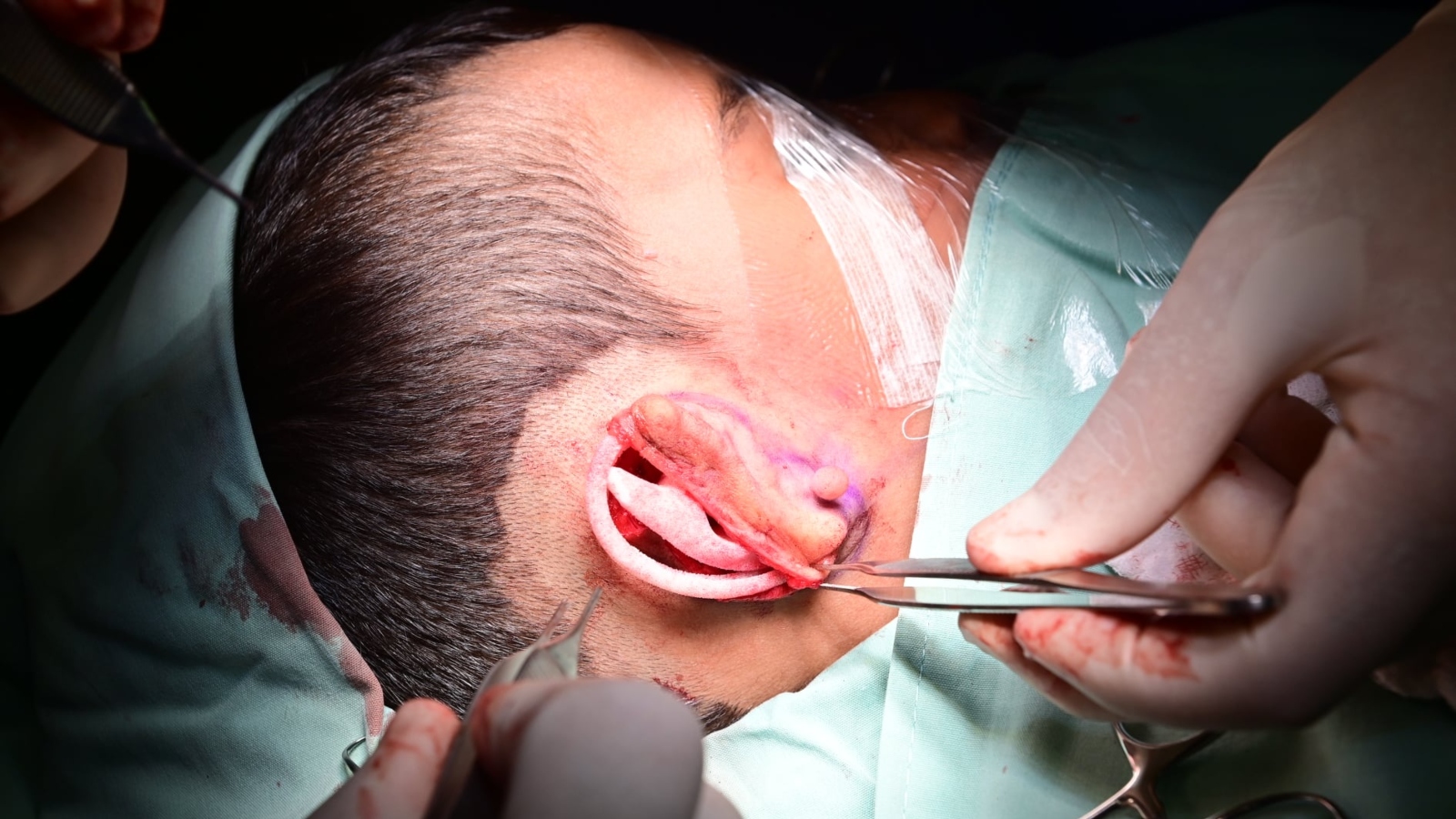
Plastic surgeons at Galilee Medical Center attached a 3D-printed prosthetic ear to a child born with microtia, a developmental defect.