
AI matchmaker heralds new era in nano cancer treatment
Advanced technology identifies pairs of drugs that can fight disease together, in microscopic doses.

Advanced technology identifies pairs of drugs that can fight disease together, in microscopic doses.
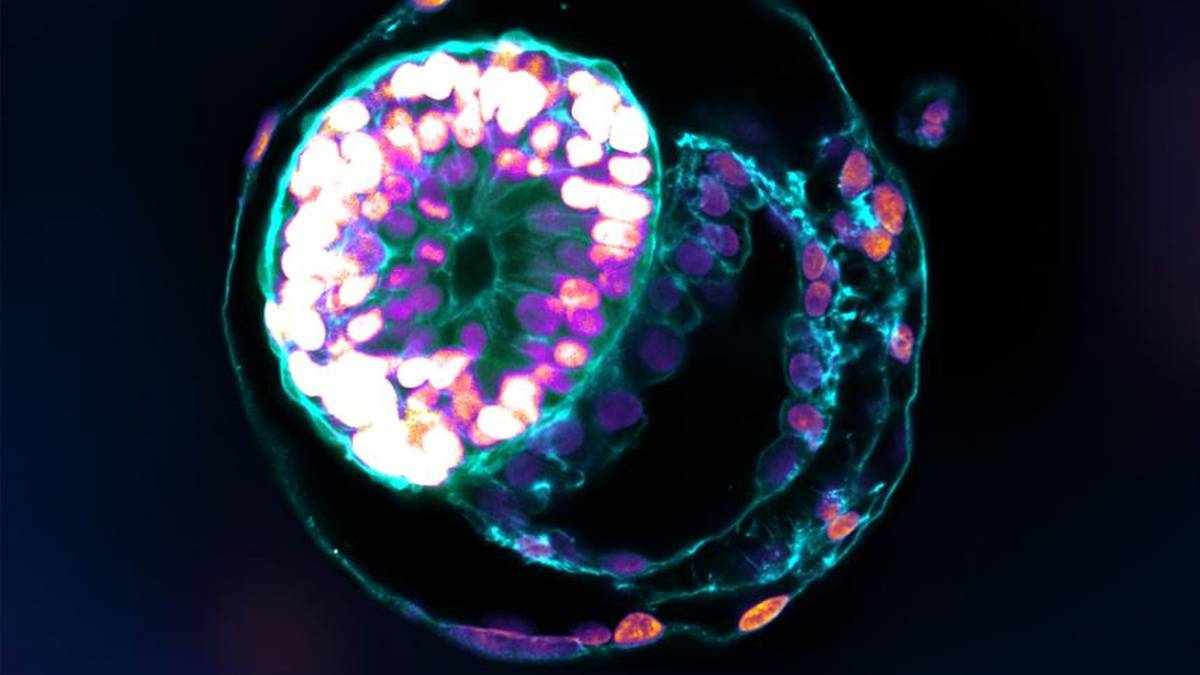
The embryo models, created from adult human skin cells and cultivated stem cells, could improve fertility research.
New research can save patients months of adjustment to the right medicine, Israeli-led study determines.
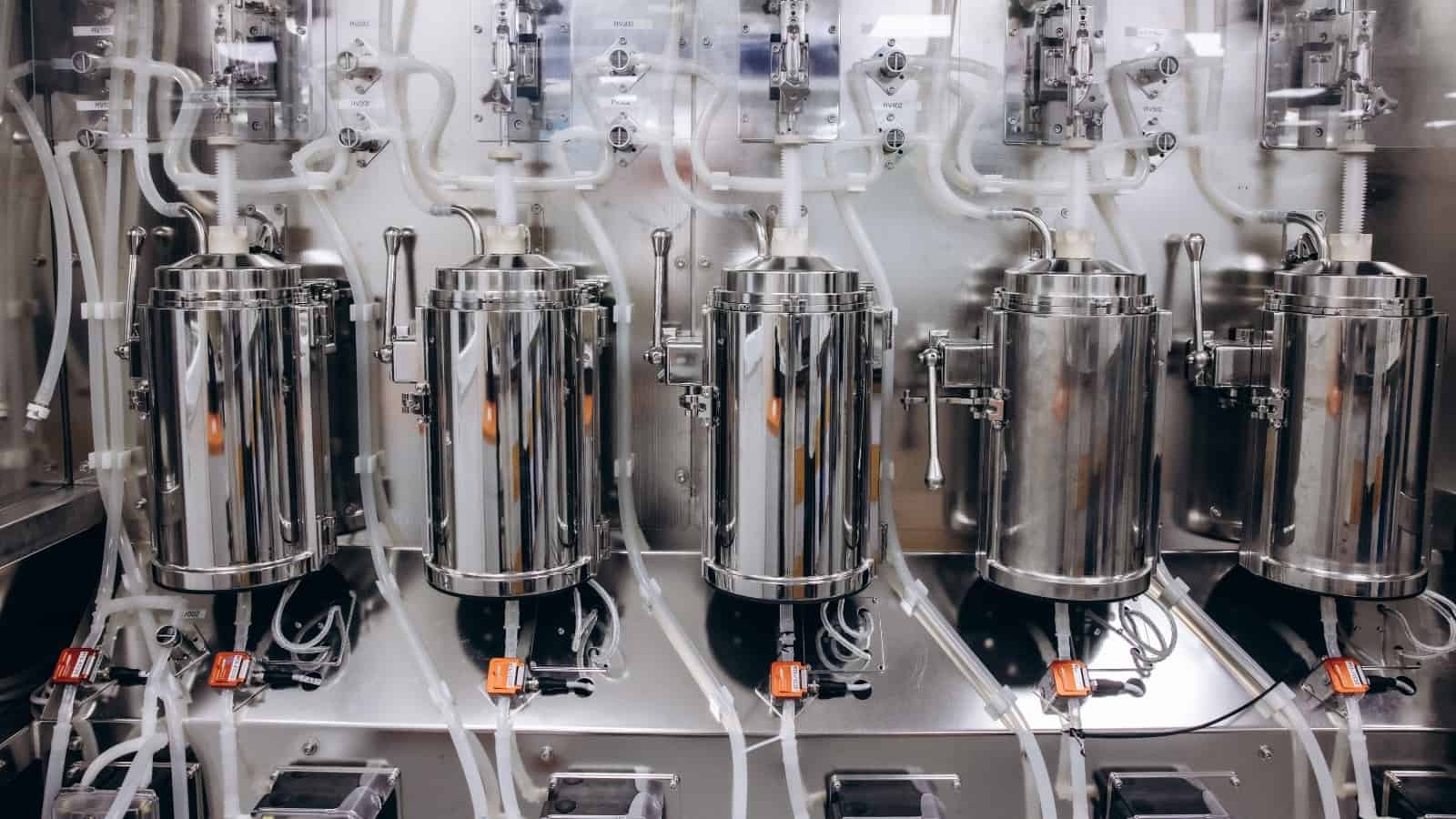
A new cell therapy platform finds potential applications in a variety of industries from pharma to food tech.
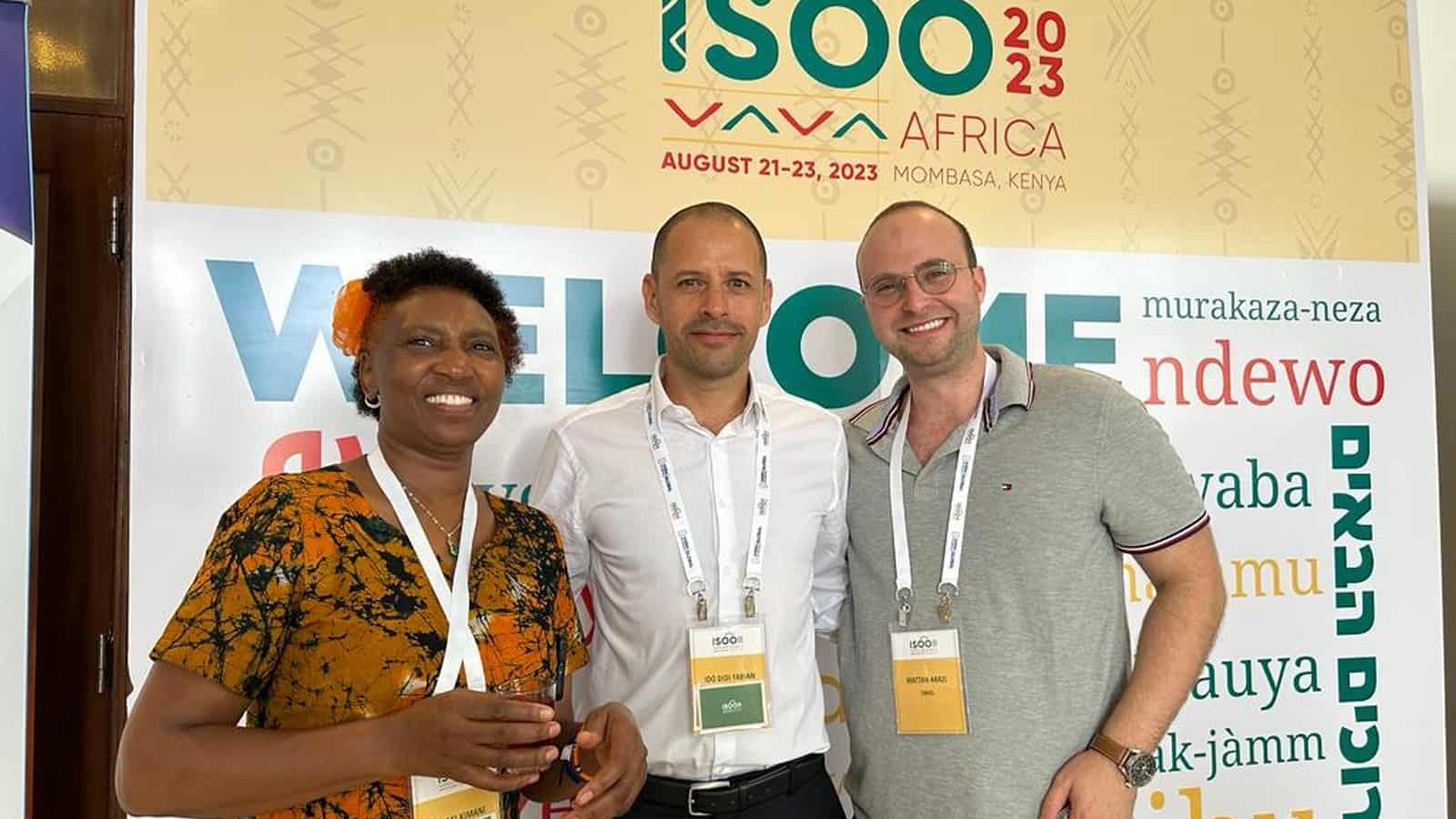
Israeli ophthalmologists organize international conference of ocular oncologists to promote equity in global eyecare.

Combining sophisticated biosensors and AI algorithms, Yopi Tech arm monitor tracks your heart’s oxygen consumption through sweat.
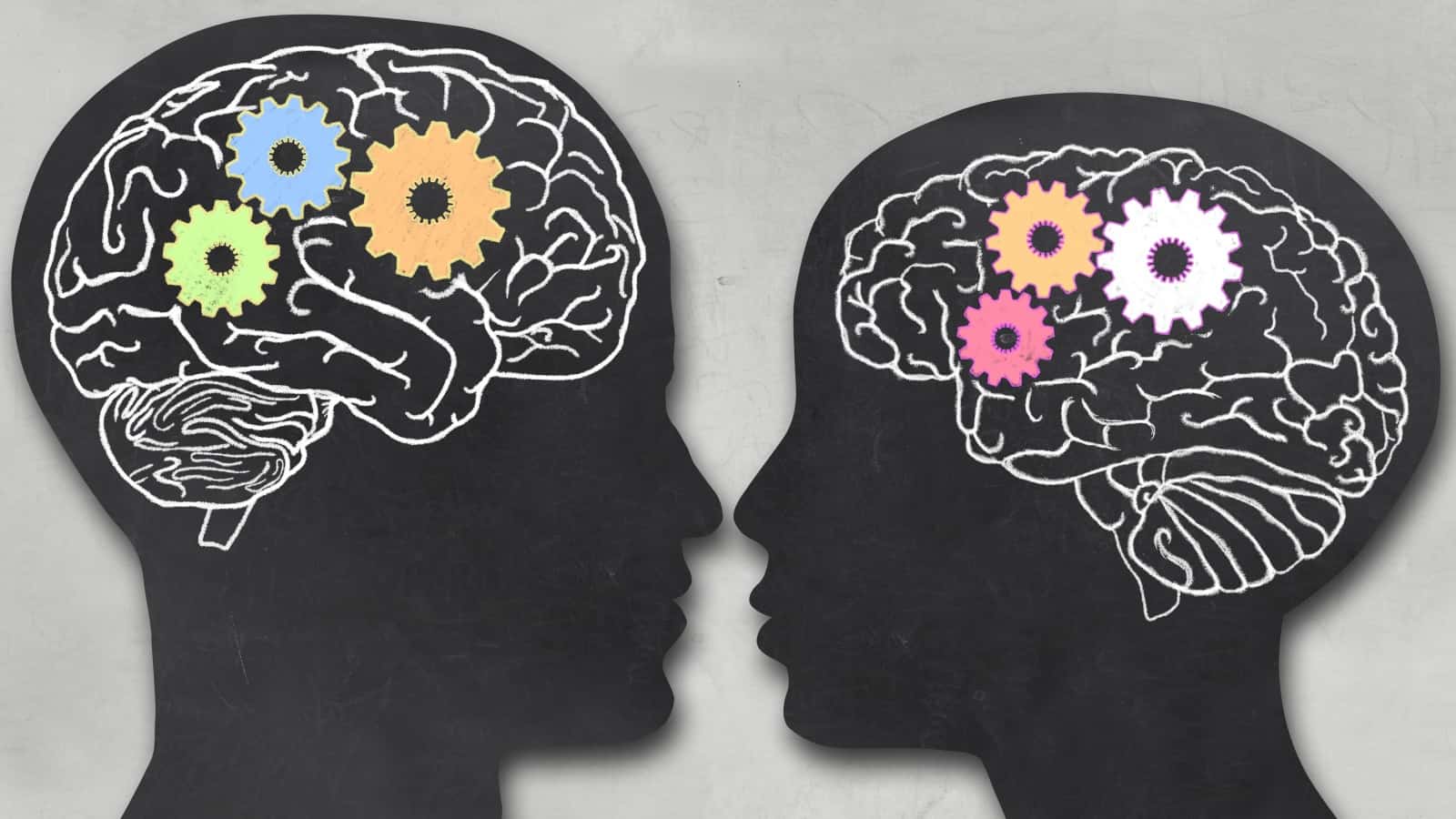
Study’s findings could help scientists better understand anxiety, depression and even diabetes.

Researchers overcome photodynamic therapy’s main constraint of limited target range by integrating nanotechnology into the treatment process.

Retinoblastoma Silk Road Project facilitates treatment in Pakistan for children from Afghanistan with a potentially deadly form of eye cancer.
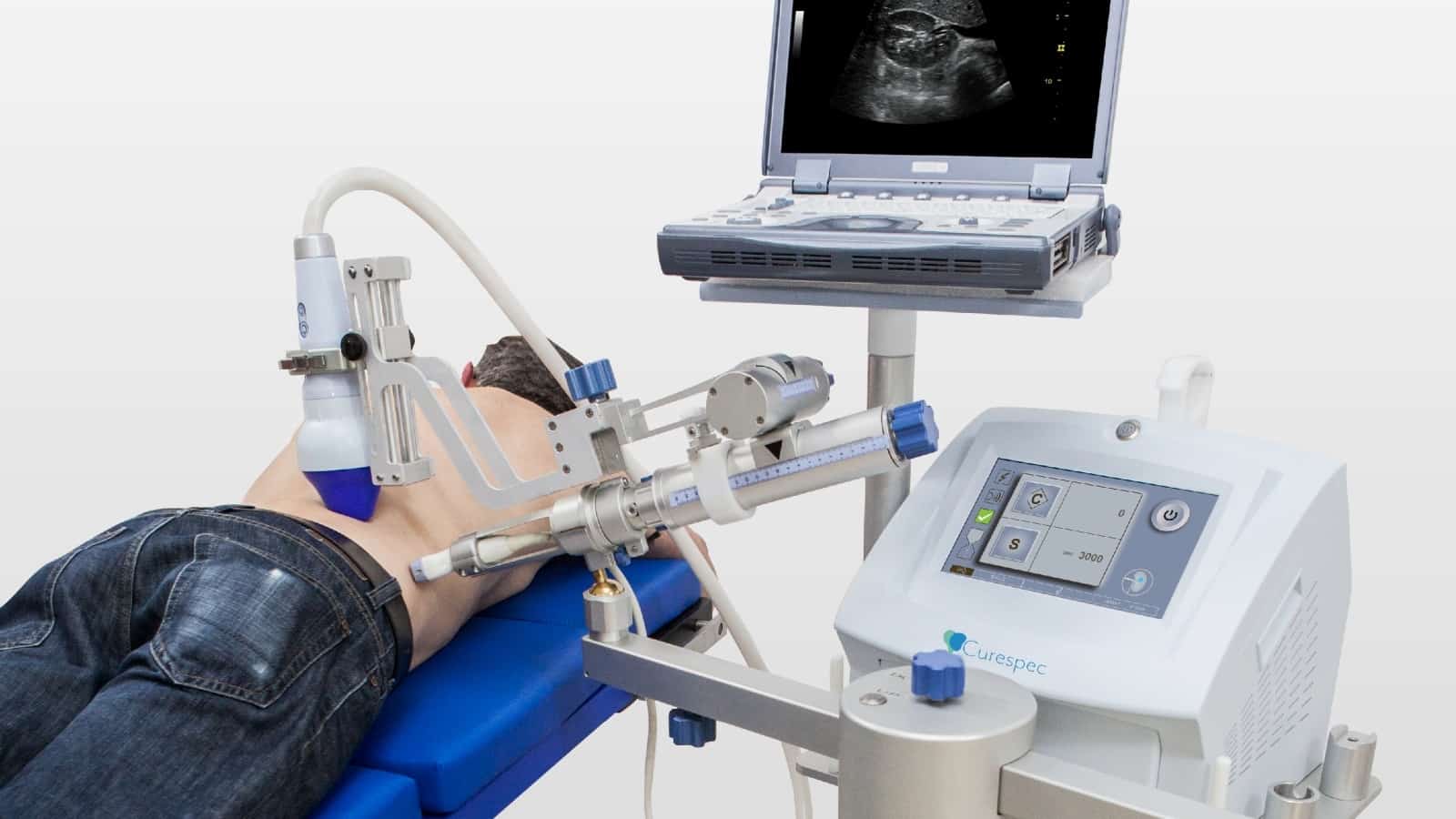
Electro-hydraulic acoustic therapy could treat late-stage chronic kidney disease and delay its progression by up to a year.
Cloud platform enables whole genome sequencing from data derived from blood tests that can detect recurring cancer early on.

Medical innovation leaders discuss how artificial intelligence is transforming healthcare, and why this is good for us and for overloaded clinicians.
When an advanced lung cancer patient passed out from acute hypoglycemia, doctors tried a treatment that proved a successful scientific breakthrough.

In tests on mice, they were able to block the switch that drives abnormal cell growth, so that tumors shrank permanently.

A new WHO warning against artificial sweeteners puts innovative Israeli solutions for sugar reduction in the spotlight.