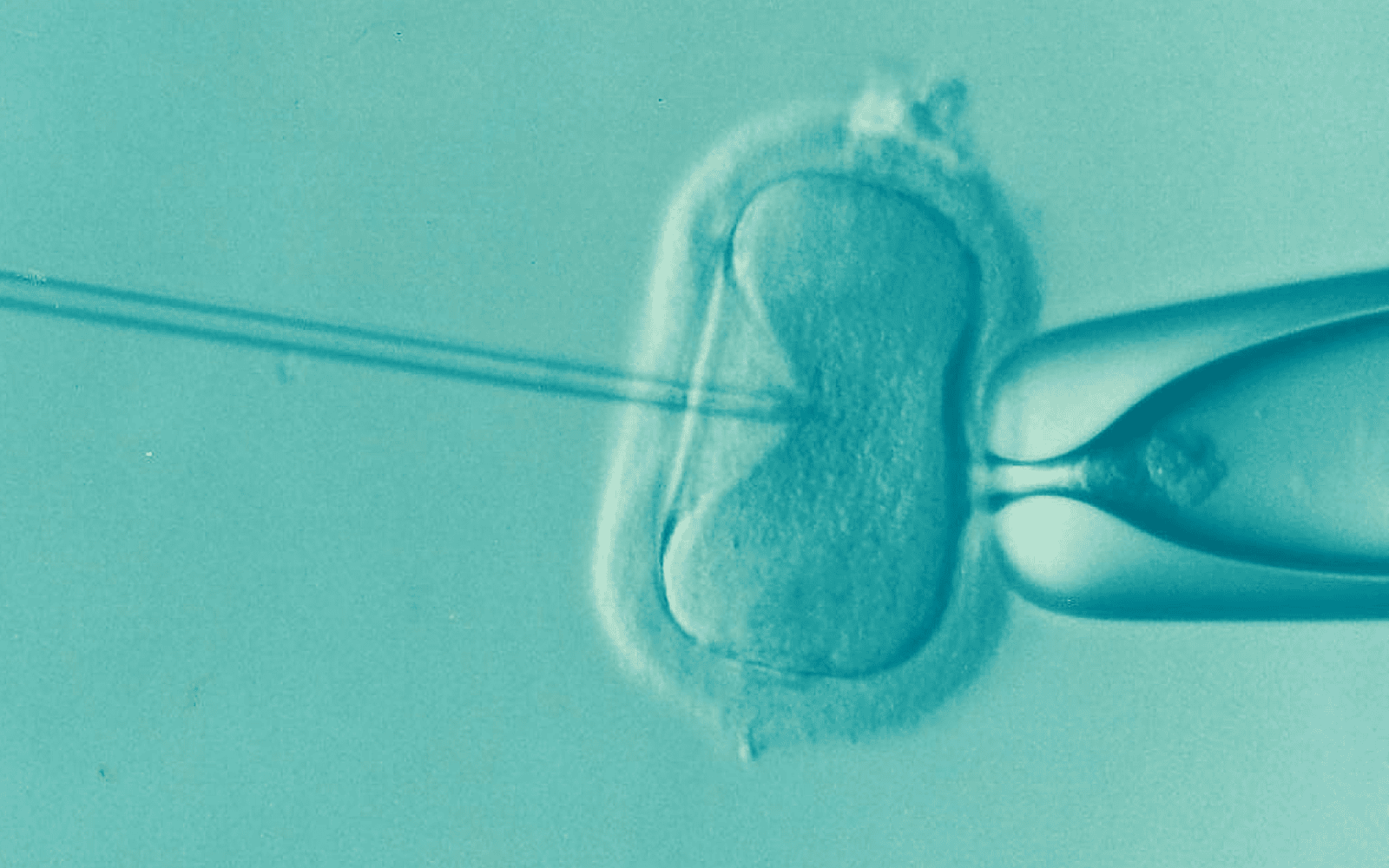
New Israeli tech doubles IVF success rates
The new method accurately identifying high-quality sperm cells without using potentially harmful chemical dyes.

The new method accurately identifying high-quality sperm cells without using potentially harmful chemical dyes.

Ahead of World Fertility Day on November 2, ISRAEL21c compiled a list of innovative Israeli advancements aiming to improve the success of IVF.

FertilAI’s clinical decision-making platform Fertilane can help physicians make ideal recommendations for patients hoping to increase their fertility.

Study finds exposure to the sun’s UV radiation may have a positive effect on fertility in women aged 30 to 40.
The petri dish privates mark a milestone in the study of sexual development disorder and male infertility research.
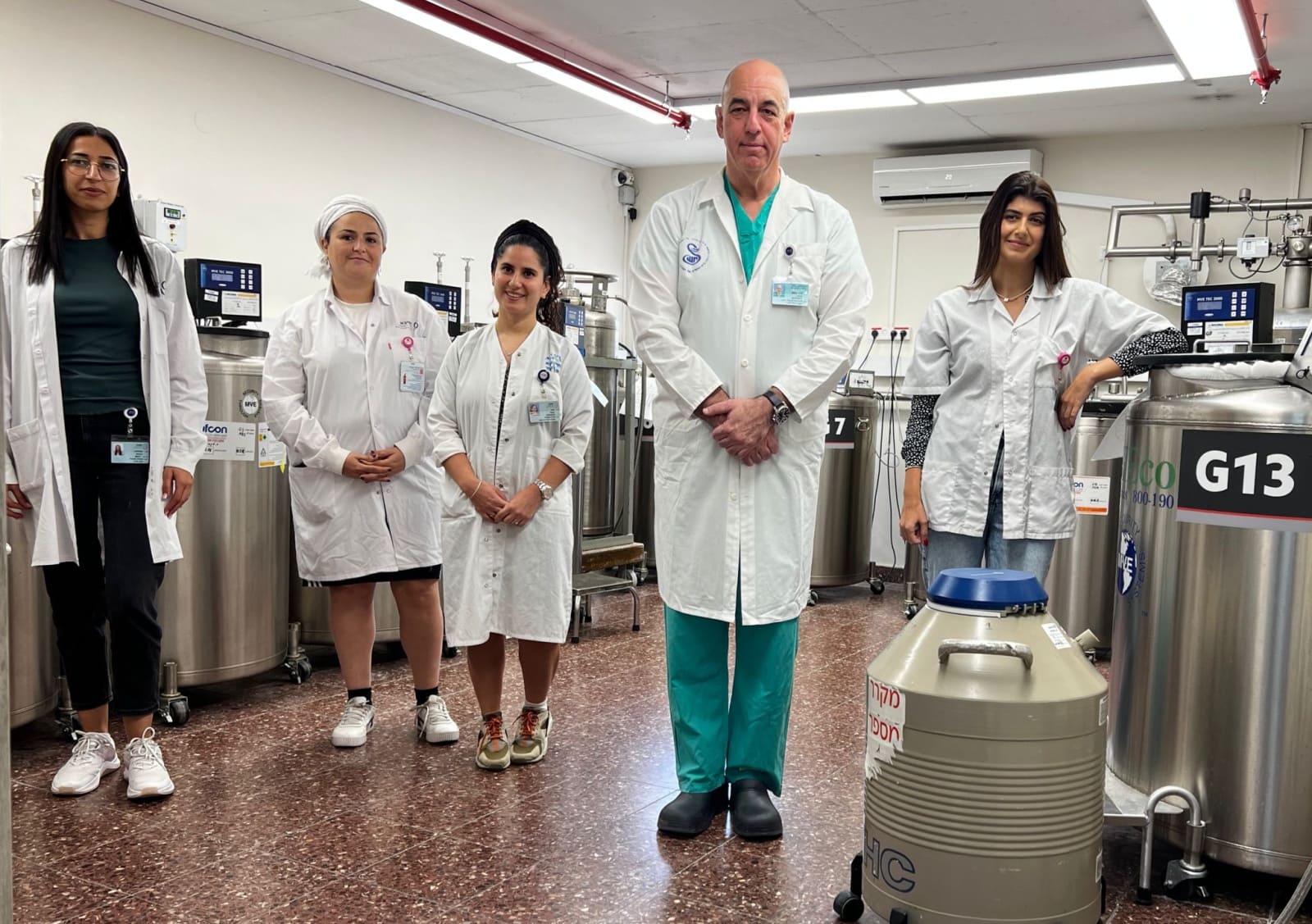
Israel issues temporary reprieve for parents of war victims to request posthumous sperm retrieval without a judge’s approval.

Study indicates men’s health crisis, as low sperm count is associated with increased risk of certain diseases and shorter lifespan.

Technology, already proven in mice, could ultimately help boys left infertile by chemotherapy to become fathers.

Fairtility proves that its novel algorithms outperform current FDA-approved systems for embryo selection.

Researcher says that within a decade, fertility among older women could be lengthened using an antiviral drug therapy.
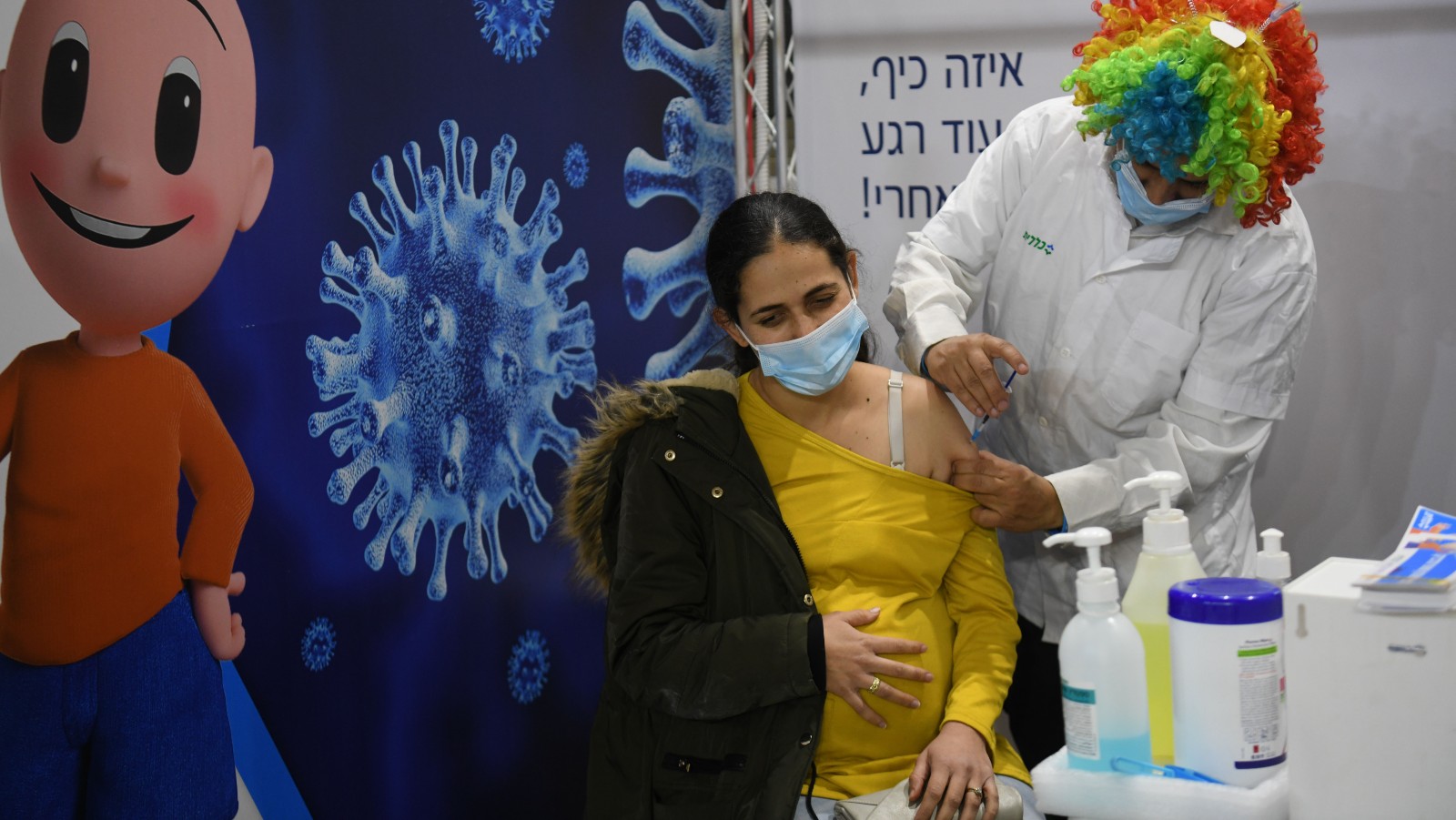
Covid-19 vaccine did not change any parameters among 36 couples treated in its IVF clinic, says team from Sheba Medical Center in observational study.

Israeli startup GoStork builds the world’s largest fertility database for intended parents seeking IVF, surrogacy or egg donation.

Breakthrough discovery in Israel may lead to a way for women extend their fertility windows and maintain high egg quality into their 30s and 40s.

Israeli FDA-approved home kit enables men to do an at-home test to check the count and see the motility of their ‘swimmers’ on a smartphone.

Israeli researchers develop method that turns stem cells into sperm-like cells, making future fertility possible in boys undergoing chemotherapy.