
How to age successfully with diabetes
‘We put an emphasis on sleep, depression and sexual function,’ says Dr. Tali Cukierman-Yaffe, director of this one-of-a-kind clinic in Israel.

‘We put an emphasis on sleep, depression and sexual function,’ says Dr. Tali Cukierman-Yaffe, director of this one-of-a-kind clinic in Israel.
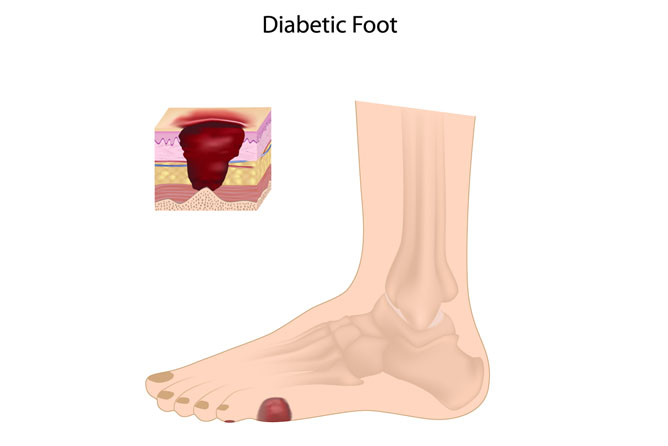
Tel Aviv University team develops device to warn about ulcers before they set in.

According to Israeli research, early stages of type 1 diabetes could be effectively treated with an anti-inflammatory protein.

Tel Aviv University study shows that a high-calorie breakfast — including a piece of chocolate cake — protects against diabetes, hypertension and cardiovascular problems.
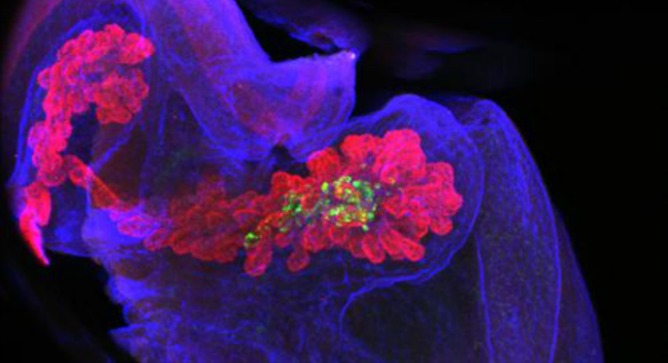
An Israeli study funded by the Juvenile Diabetes Research Foundation clears a major barrier to enabling safe transplants between species.

Tel Aviv University research shows low levels of social support and high levels of stress in the workplace affect the development of type 2 diabetes.

Merger to produce new medications for sufferers of growth hormone deficiency, hemophilia, obesity and diabetes.

For 100 years, scientists searched for a way to deliver insulin orally instead of by injection. Now an Israeli team claims it’s found the solution. Phase 2 clinical trials are coming.

‘Nothing would make us happier than finding the cure, and finding it in Israel,’ says co-chair of a US-Israeli joint research grant initiative.

Israel is a powerhouse in diabetes research. In honor of World Diabetes Day, November 14, ISRAEL21c brings you the top developments emerging from the country.
Israel’s Macrocure, a biotechnology company developing advanced cell therapy products, announced positive results for a “Real Life” Phase IV trial of its lead product, CureXcell,
MD-Logic mimics the workings of the pancreas, monitoring blood sugar levels and delivering insulin automatically, even at night.
Glucose-sensing enzyme holds the key to insulin production, according to breakthrough Israeli research pointing the way toward a cure for diabetes.
A new Israeli study suggests that women with type 2 diabetes are twice as likely to get cancer, while men with the condition are less likely to get prostrate cancer