
Lenovo opens Cybersecurity Innovation Center at Israeli university
Computing products giant says alliance with Ben-Gurion University’s Cyber Security Research Center puts it at global nexus of security innovation.

Computing products giant says alliance with Ben-Gurion University’s Cyber Security Research Center puts it at global nexus of security innovation.

Automotive cybersecurity expert shares the inside scoop on risks and solutions for connected, autonomous and electric vehicles.
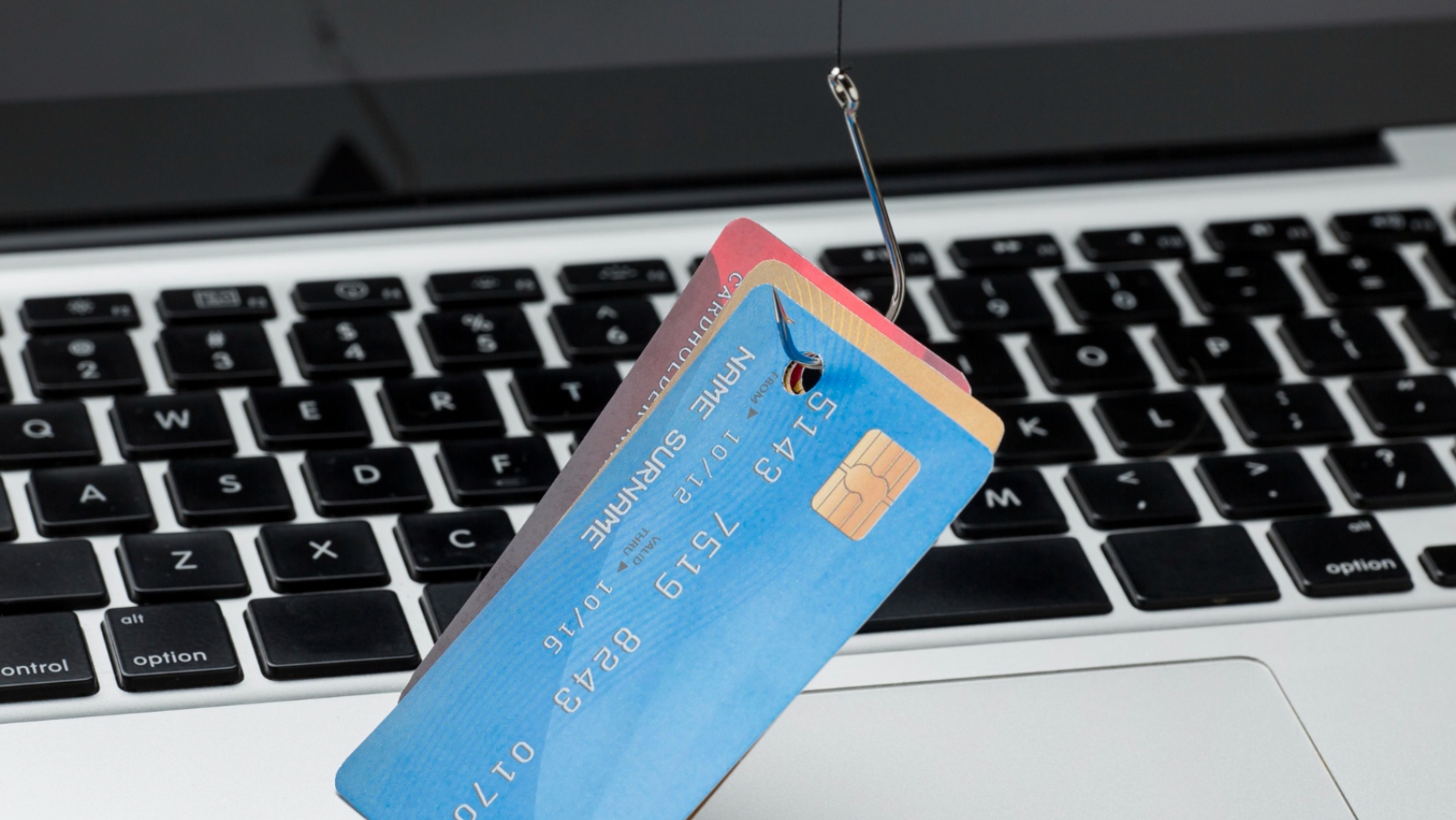
Report predicts data breaches will cost $5 million each by 2023 as phishing and malware increase dramatically.

Orca Security uses collected data to identify bugs, malware, leaks and risks without increasing workloads or affecting system performance.

An academic, a venture capitalist and a cybersecurity executive predict which industries stand to gain as recession looms.

Cyfluencer gives companies curated content and the ability to choose who can share their content and over what platforms.
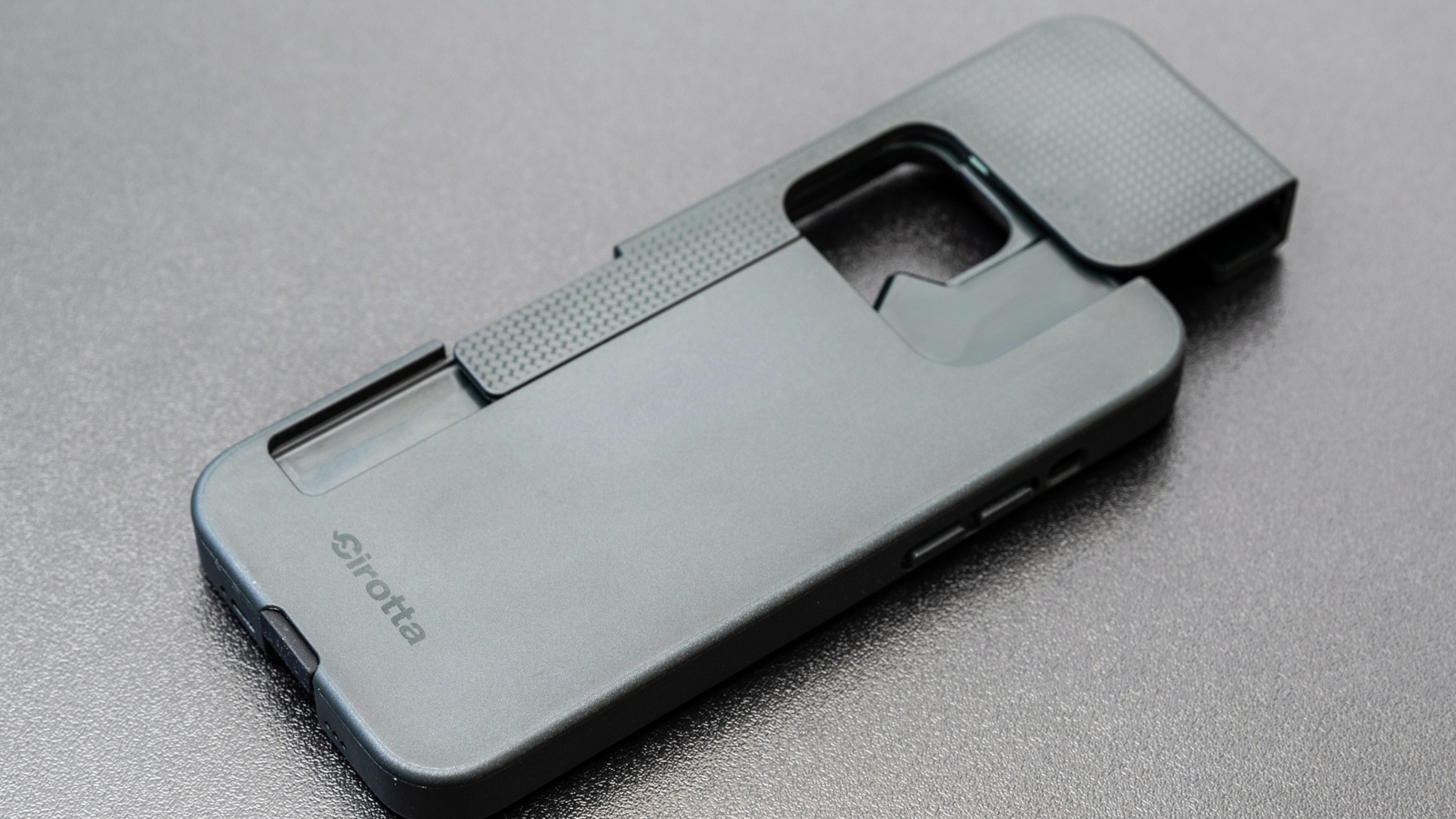
One in 36 mobile device users will unintentionally install a high-risk app, according to data cited by Cirotta.
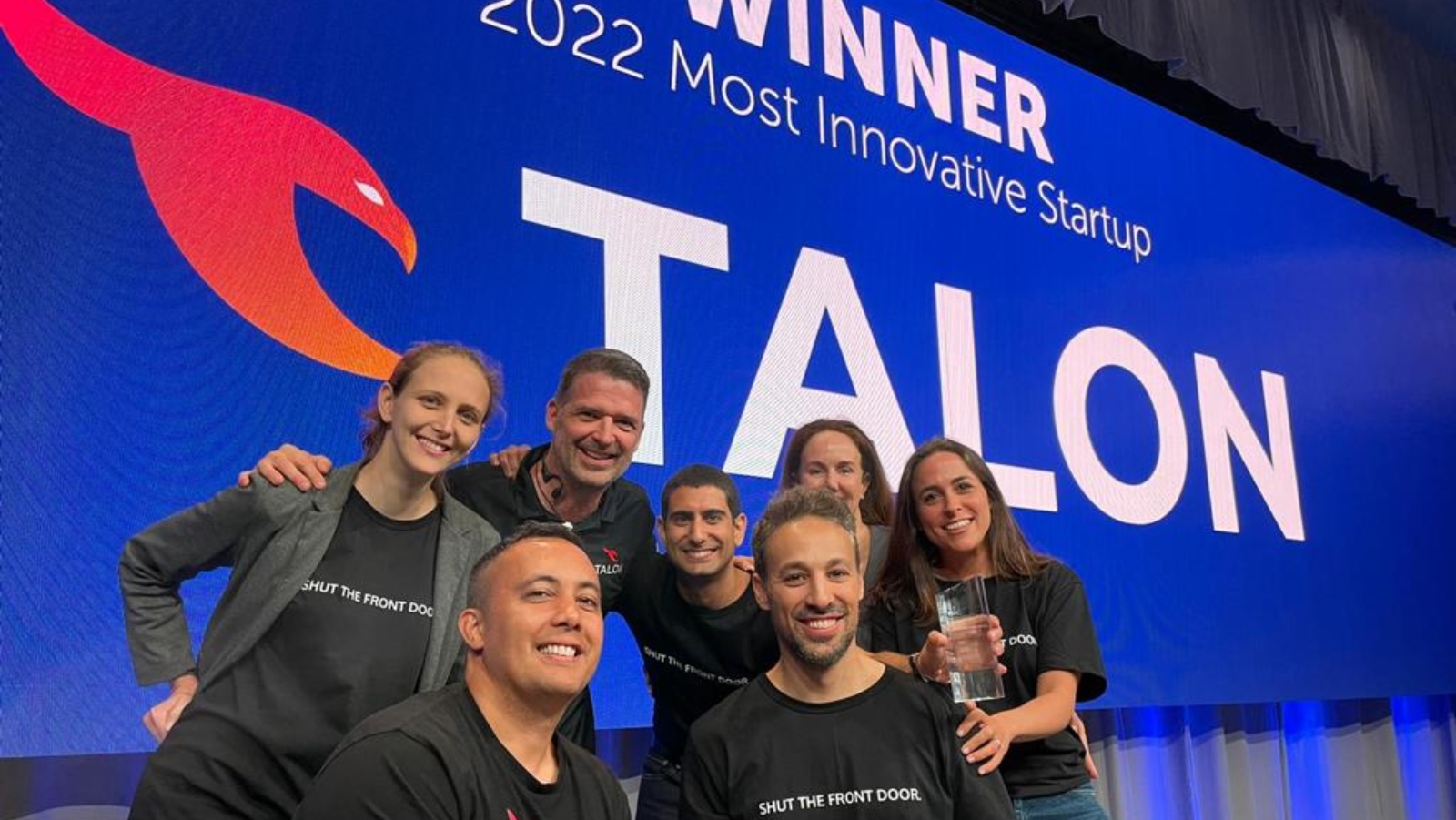
Judges of Innovation Sandbox Contest 2022 select Tel Aviv-based firm for enhancing security user experience for hybrid workers.

Upstream Automotive Cybersecurity Report reveals that the top attack categories were data/privacy breach, car theft/break-ins and control systems.

Record-breaking $8.8 billion flow into local cyber security industry, triple the amount compared the year before.

Smart decisions and a need for protection have made Israel the world’s cyber leader, with 40% of all cyber investments made in the country. A new book charts the rise and rise.

With more hackers targeting healthcare, technology helps safeguard patients and their records from ransomware and other money-making attacks.

Cyberattacks pose a real threat to children, but the adults in their lives don’t know enough to prevent the problem. Here’s the lowdown.

Trains’ long lifetimes leave them vulnerable to sophisticated attacks that endanger passengers, but tech can prevent this from happening.
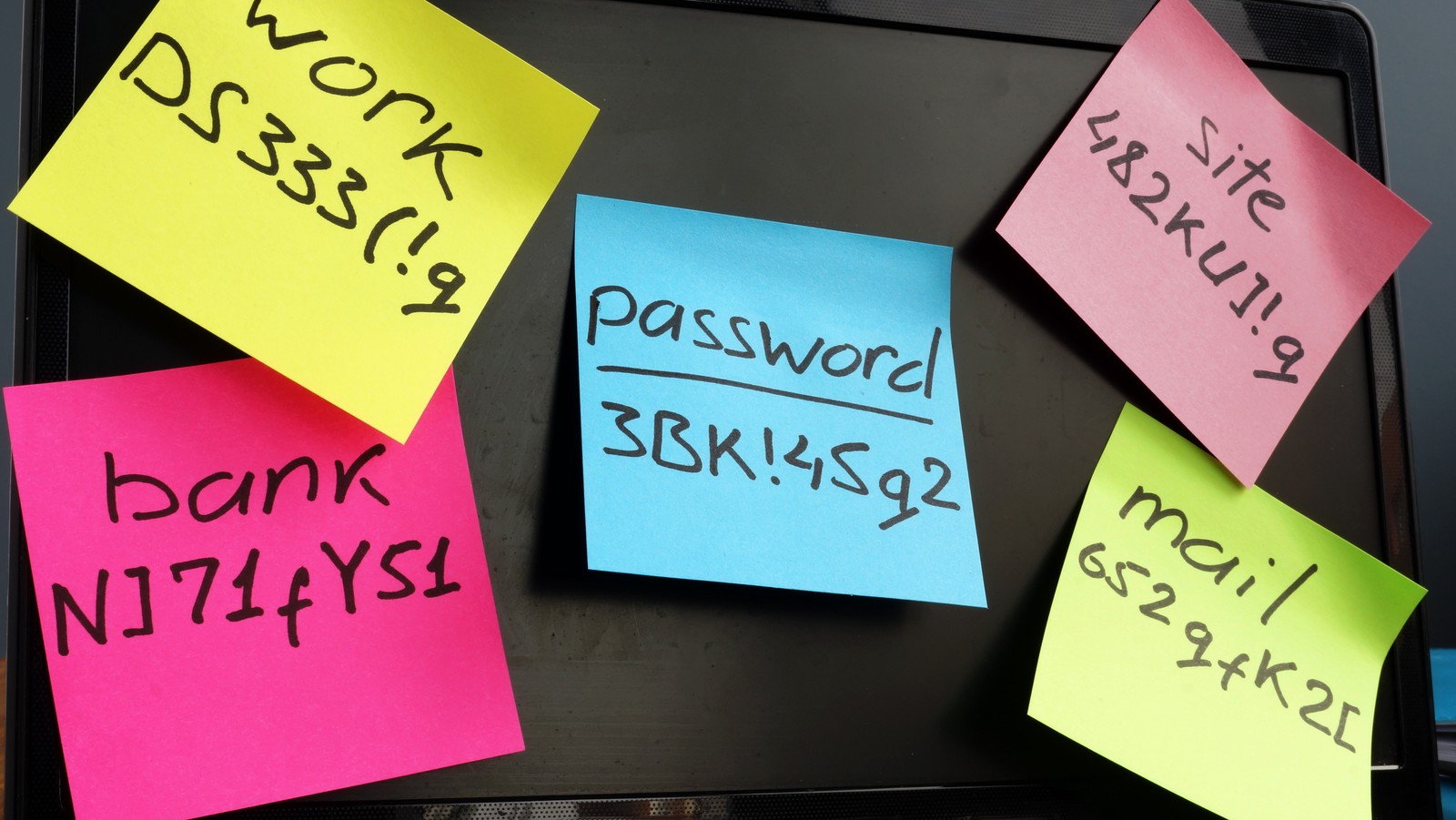
BindID uses the biometric sensors built into every new smartphone. Rather than a burdensome password, all you need is a fingerprint or face scan.