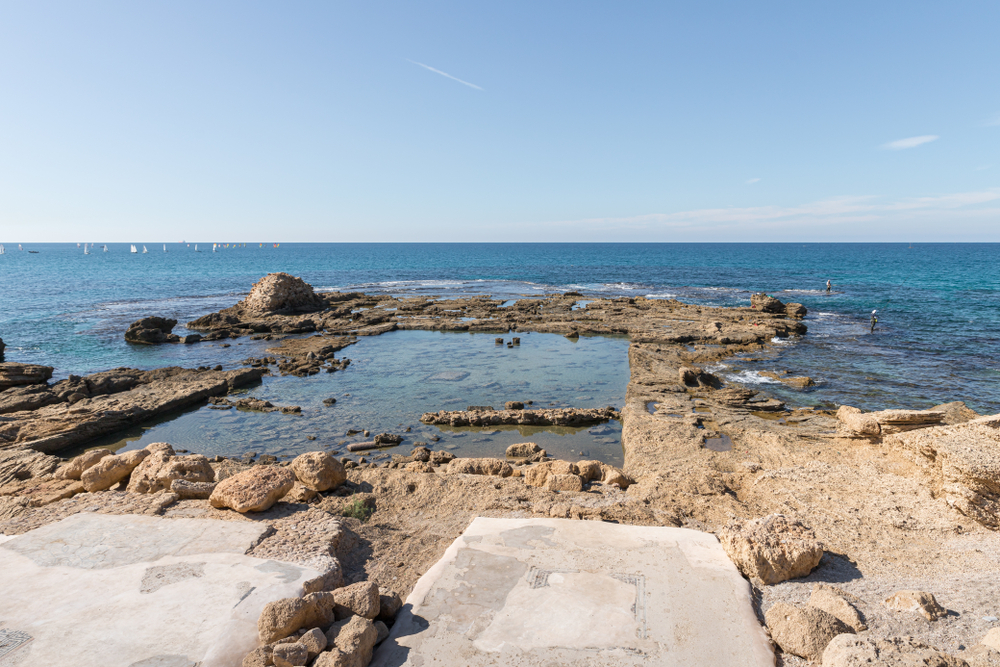
Israeli, US scientists dive into sea to explore climate change
Findings could bring to light discoveries such as shipwrecks and submerged villages, ports, and cities from the past 10,000 years.

Findings could bring to light discoveries such as shipwrecks and submerged villages, ports, and cities from the past 10,000 years.
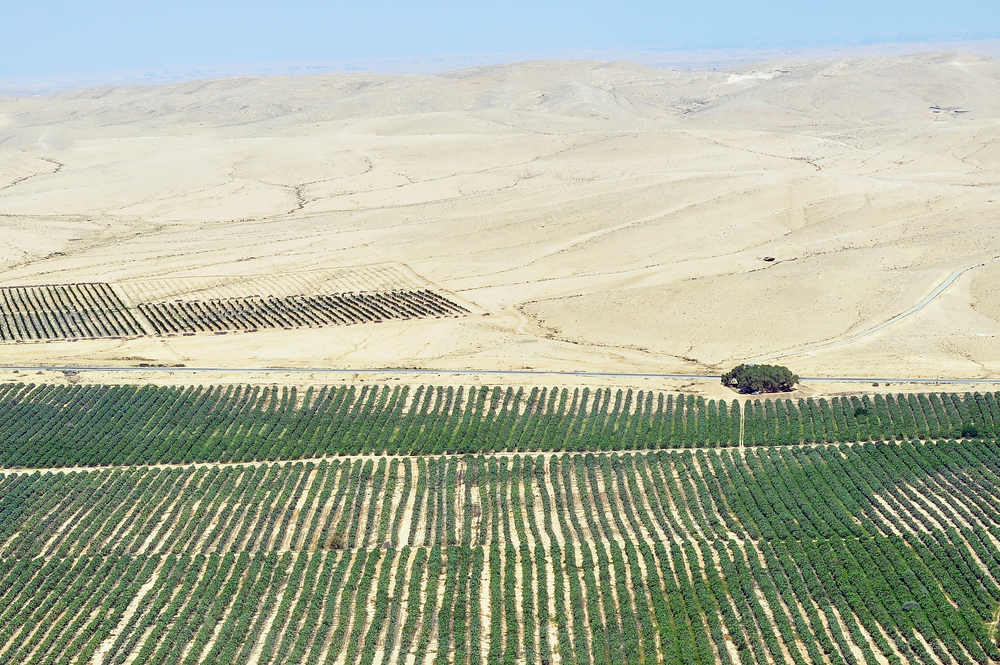
Israel is helping farmers in many countries learn how to grow crops in increasingly hot and dry conditions.

The disruptive weather phenomenon could soon occur again in the Pacific region, say German and Israeli researchers.

As we leave a troubled 2019 behind and move into 2020, it’s clear that we need to make our lives cleaner, safer and healthier, not just for our own sake, but for the planet. Here are seven ways to do just that.

Israeli agritech startup Edete has developed artificial pollination technology that will soon be tested on Californian almonds.

Tel Aviv museum exhibition highlights how cities can be tools for instigating change with activism and innovations in architecture and design.

From drip irrigation to hardier seeds, Israeli innovations help fill hungry bellies everywhere, particularly in the developing world.

Forecast startup ClimaCell harnesses hundreds of millions of sensors worldwide to predict weather for clients such as Delta and United airlines.
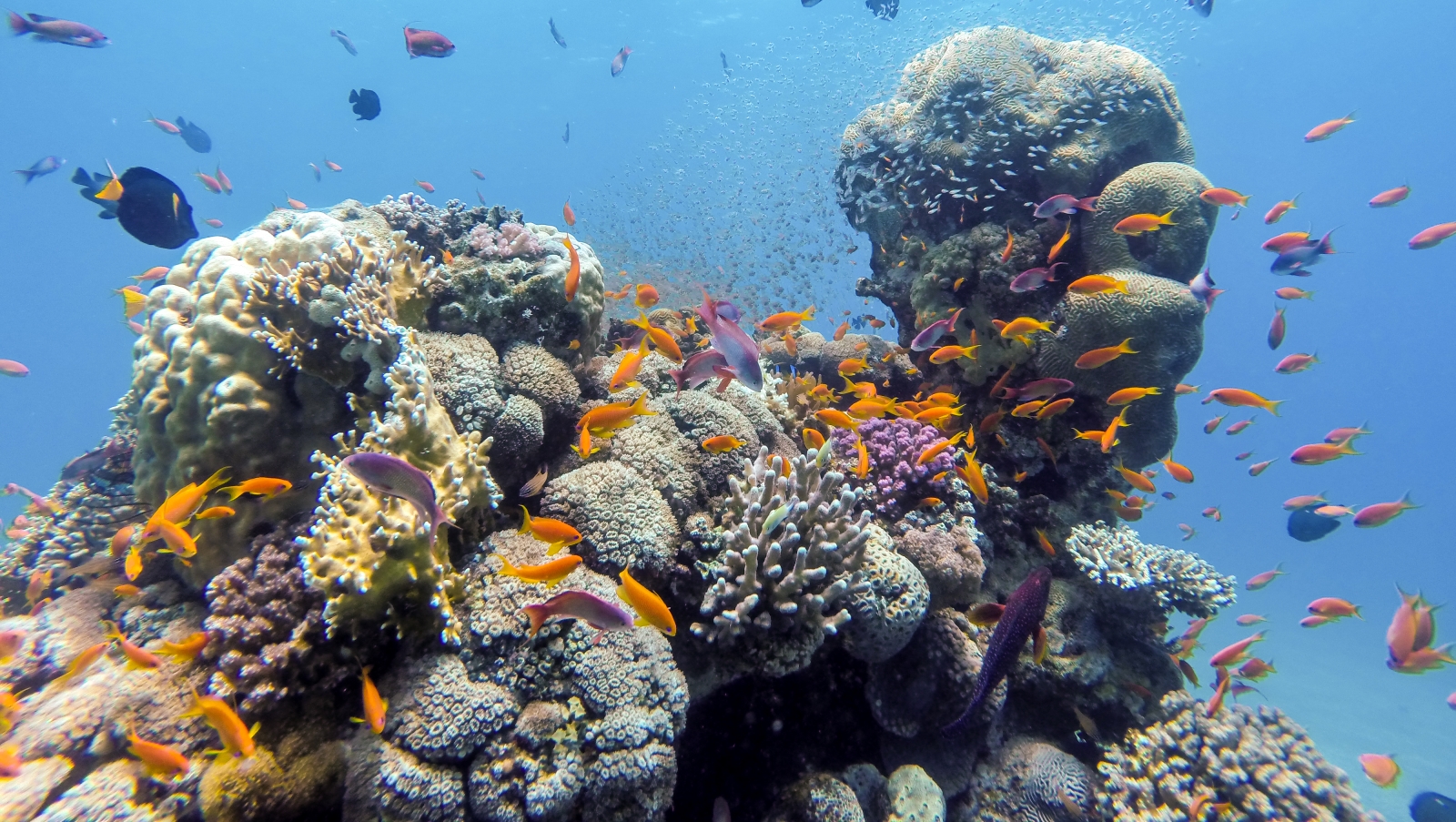
Parent corals from the Red Sea have the same reproductive output even when experiencing increased temperatures and ocean acidification stress.

PlantArcBio aims to make the world’s critical crops able to thrive on less water by adding specific genes found in desert regions.
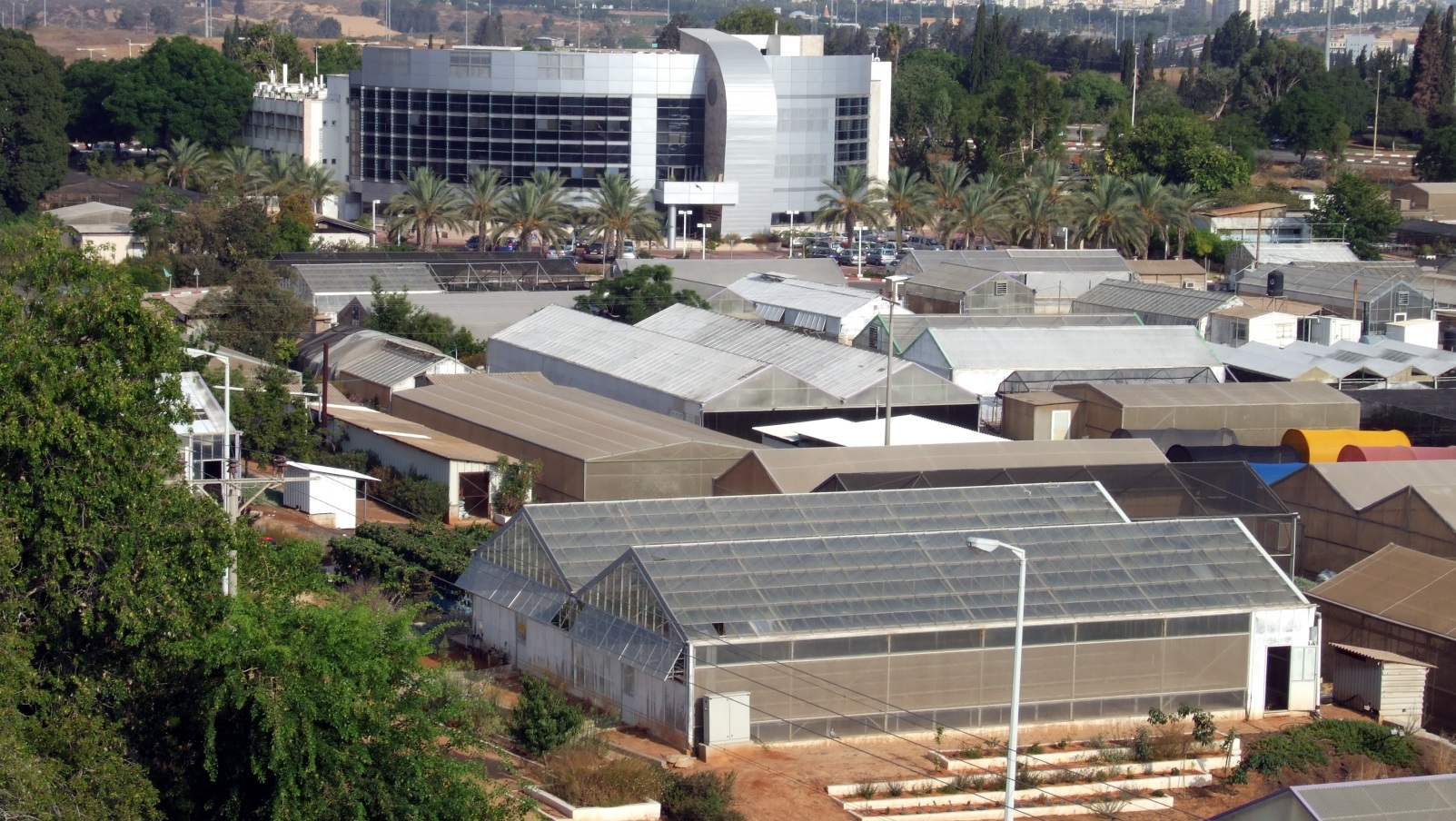
New Cornell-Volcani partnership will advance cutting-edge research in agricultural and environmental sciences.
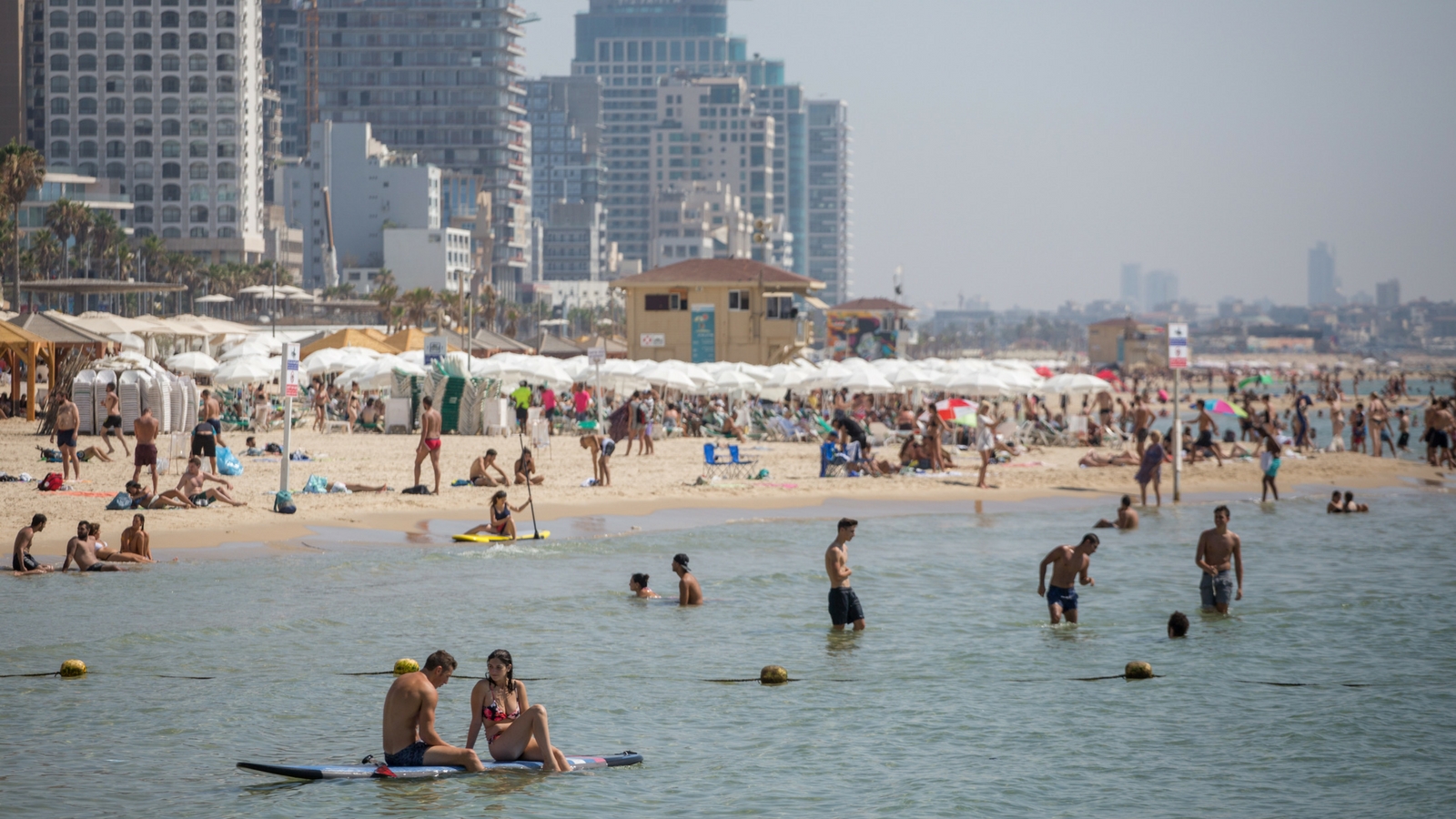
A new study predicts an extended hot season in the eastern Mediterranean that will impact regional ecosystems and human health.
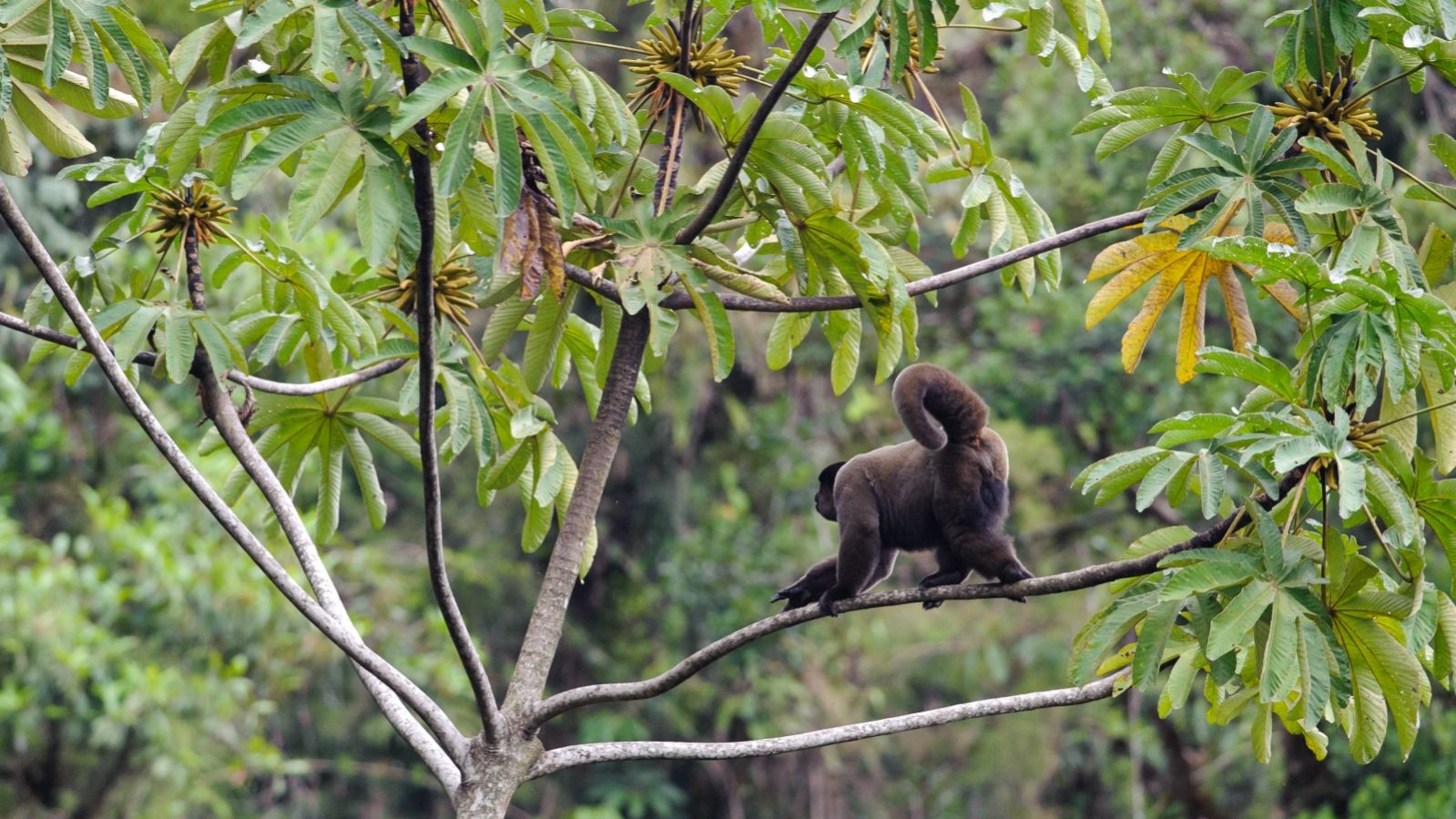
This is My Earth runs crowdfunding campaign to buy 1,730 acres of jungle home to many species vulnerable to extinction.

Jewish, Muslim and Christian leaders meet at the Jerusalem Press Club during a hot summer to encourage awareness and action.

Coral reefs in the Gulf of Aqaba may survive global warming, and could one day be used to re-seed parts of the world where reefs are dying.