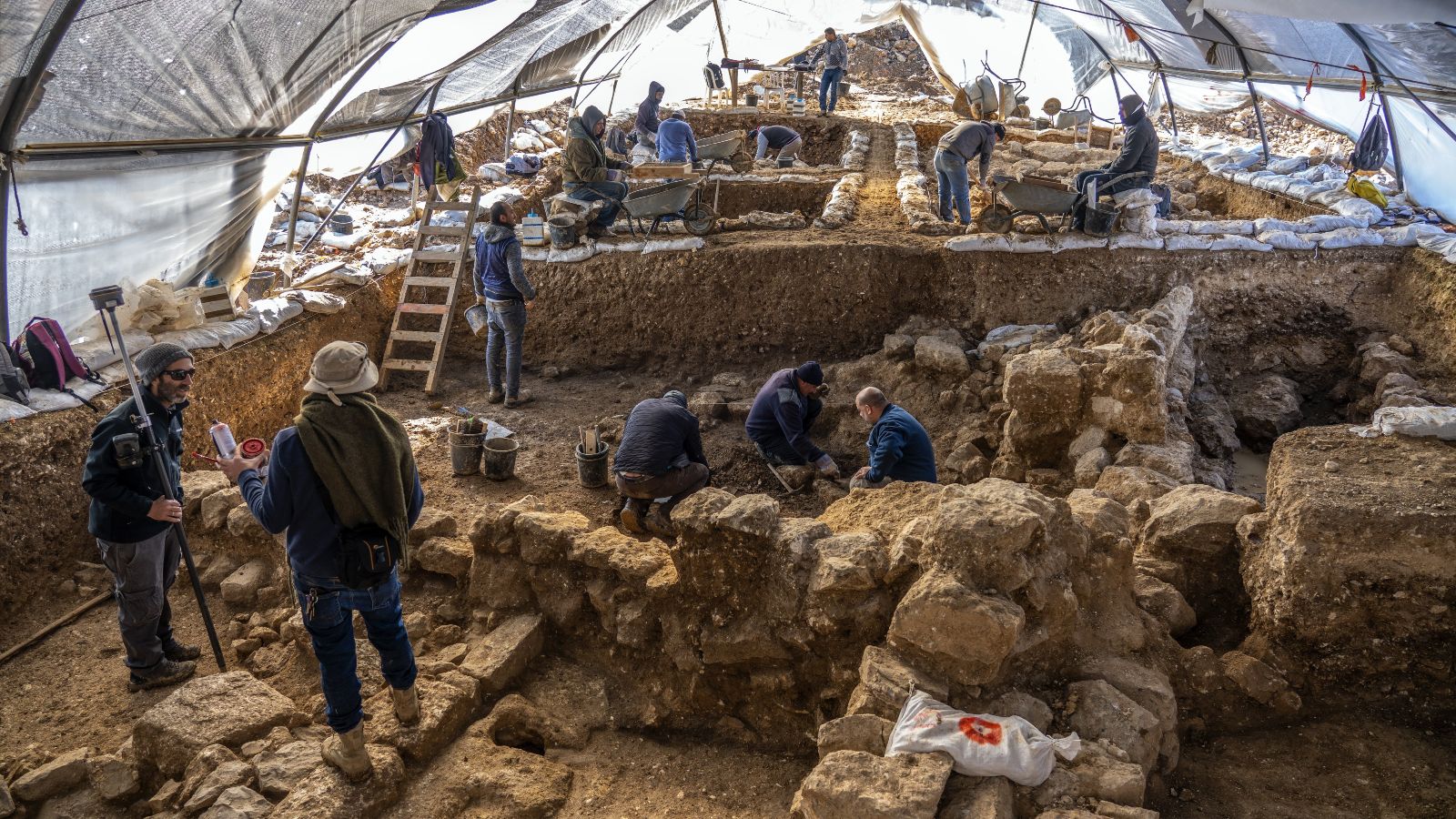
Huge and significant biblical storage center unearthed in Jerusalem
Jar handles bearing Hebrew inscriptions show that taxes were collected at the site for agricultural produce such as wine and olive oil.

Jar handles bearing Hebrew inscriptions show that taxes were collected at the site for agricultural produce such as wine and olive oil.
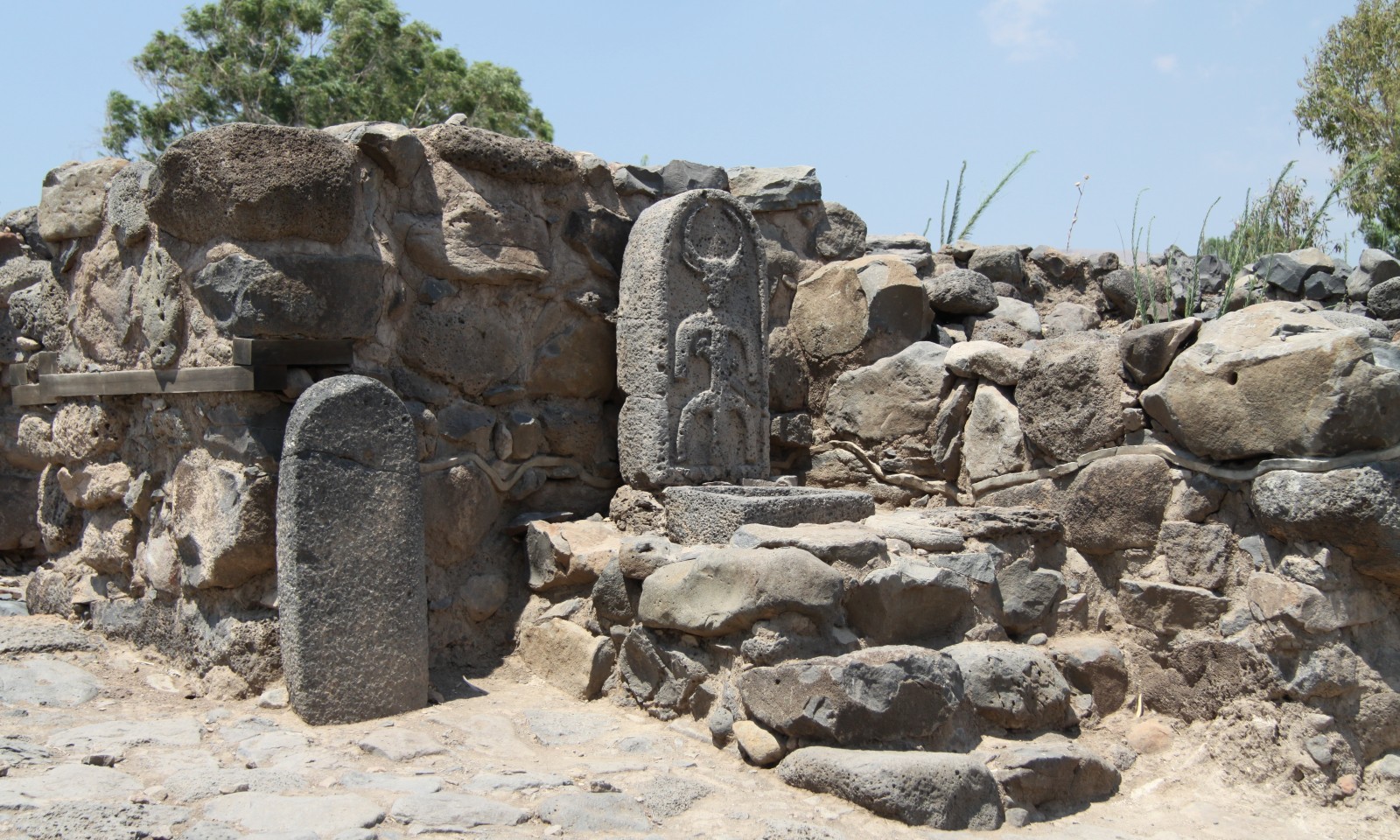
Find out where the largest Philistine city, largest Canaanite city, largest ancient city gate and largest Neolithic village were discovered.
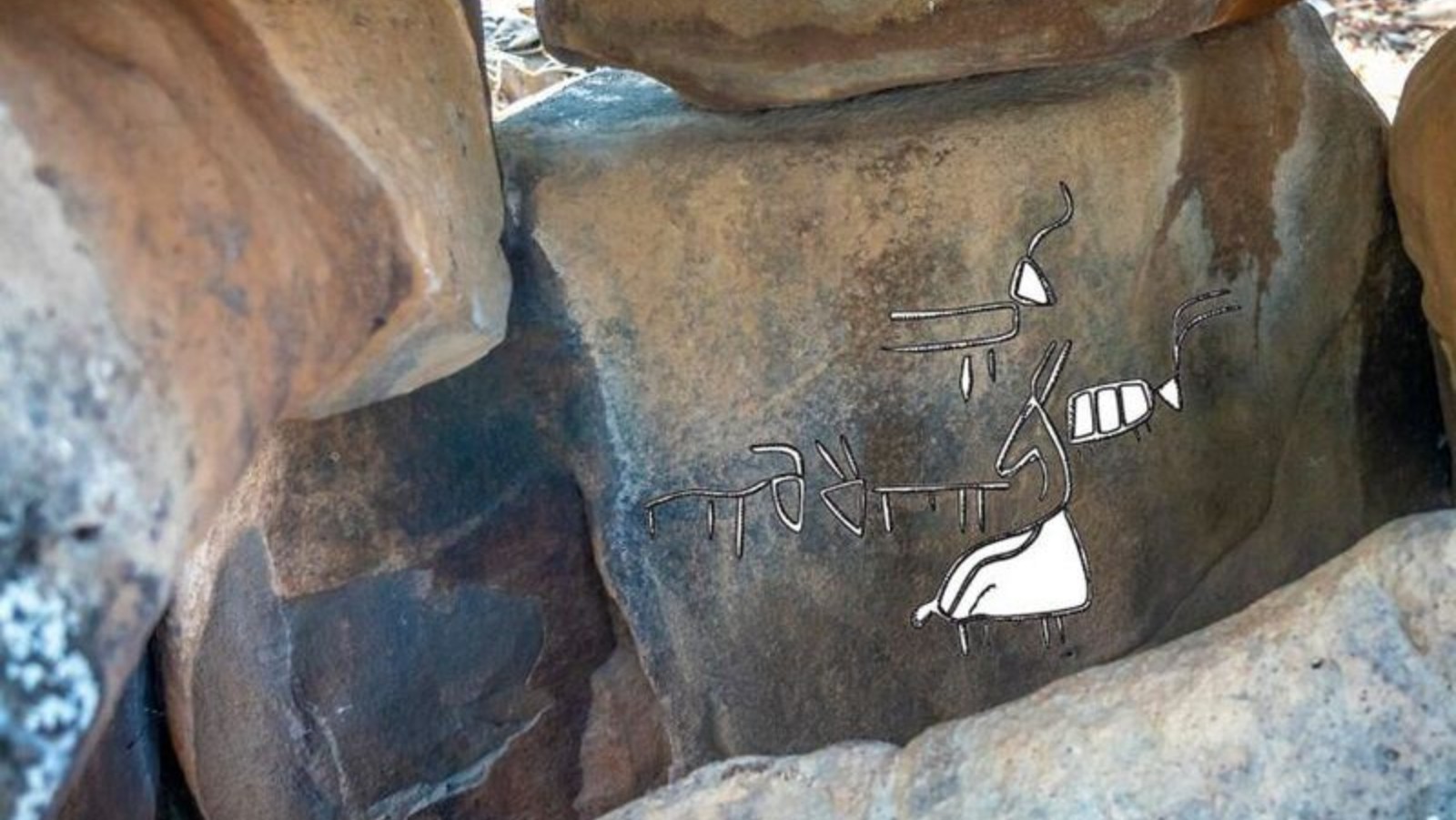
Archaeologists in northern Israel have discovered 4,000-year-old rock art engraved on the walls of three stone burial monuments.

Findings support belief that the adaptations that made homo sapiens the dominant species appeared early on in our evolution.
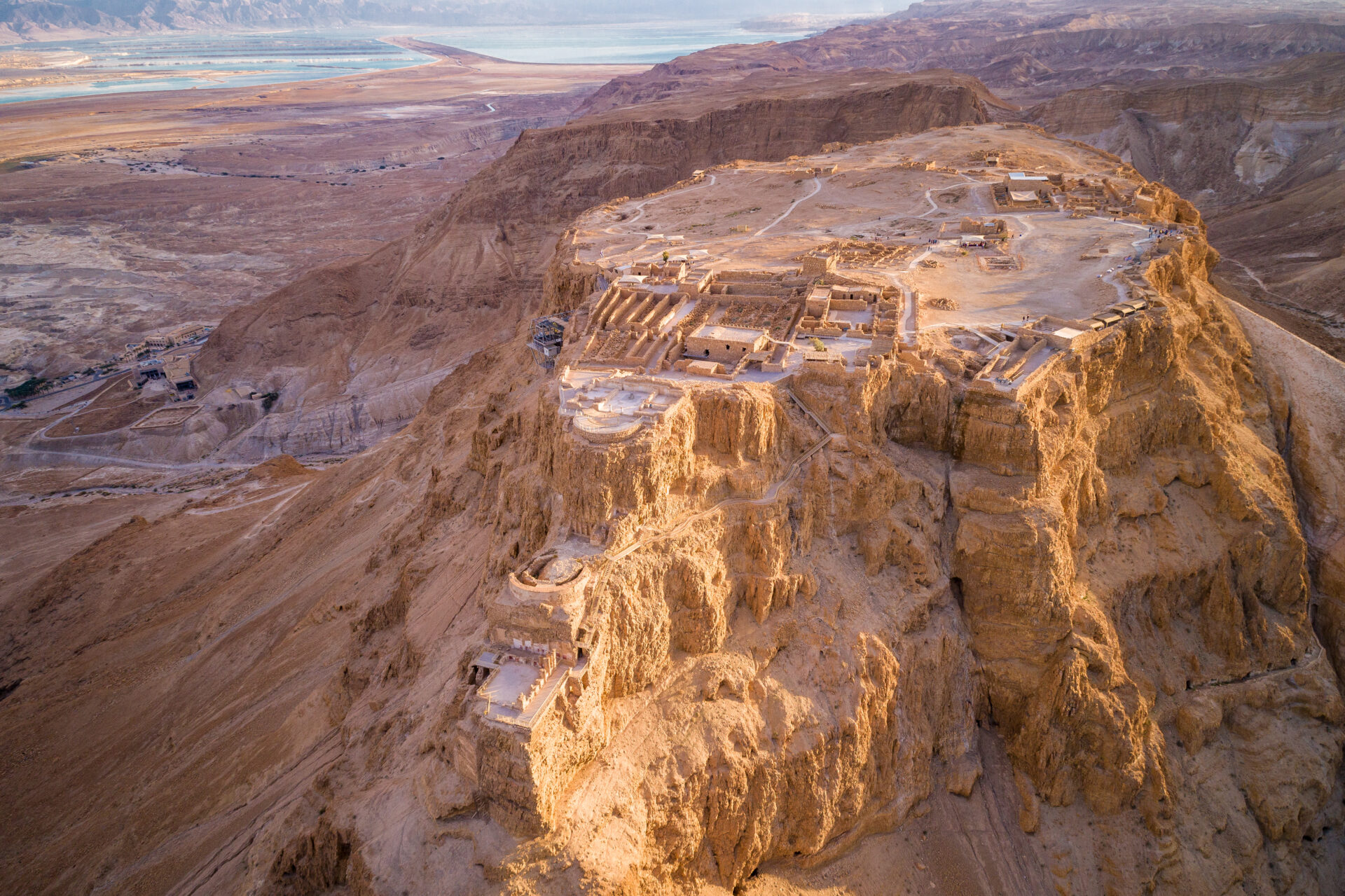
In Israel, peeling back the layers of history is a never-ending pursuit. Findings from thousands of years ago are preserved for the public to explore.

Findings suggest that not all scrolls originate in Qumran and that they represent a broader social environment of the period than commonly thought.
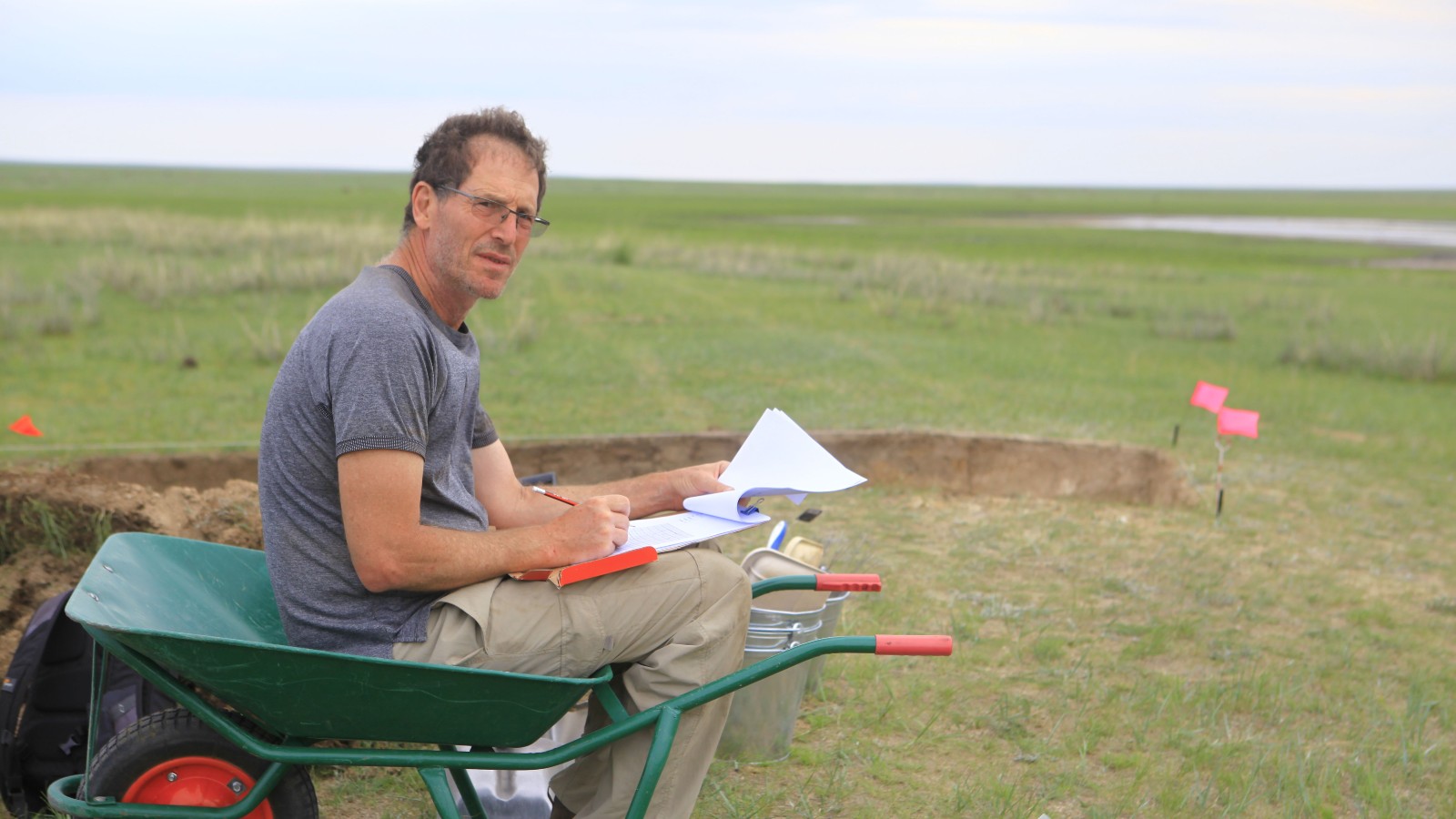
The new section, dubbed ‘the Northern Line,’ is not mentioned in contemporary documents and has received only a passing mention in textbooks.

The clay tablet from the Canaanite period depicts a man leading a humiliated captive. The boy who found it won a certificate of good citizenship.
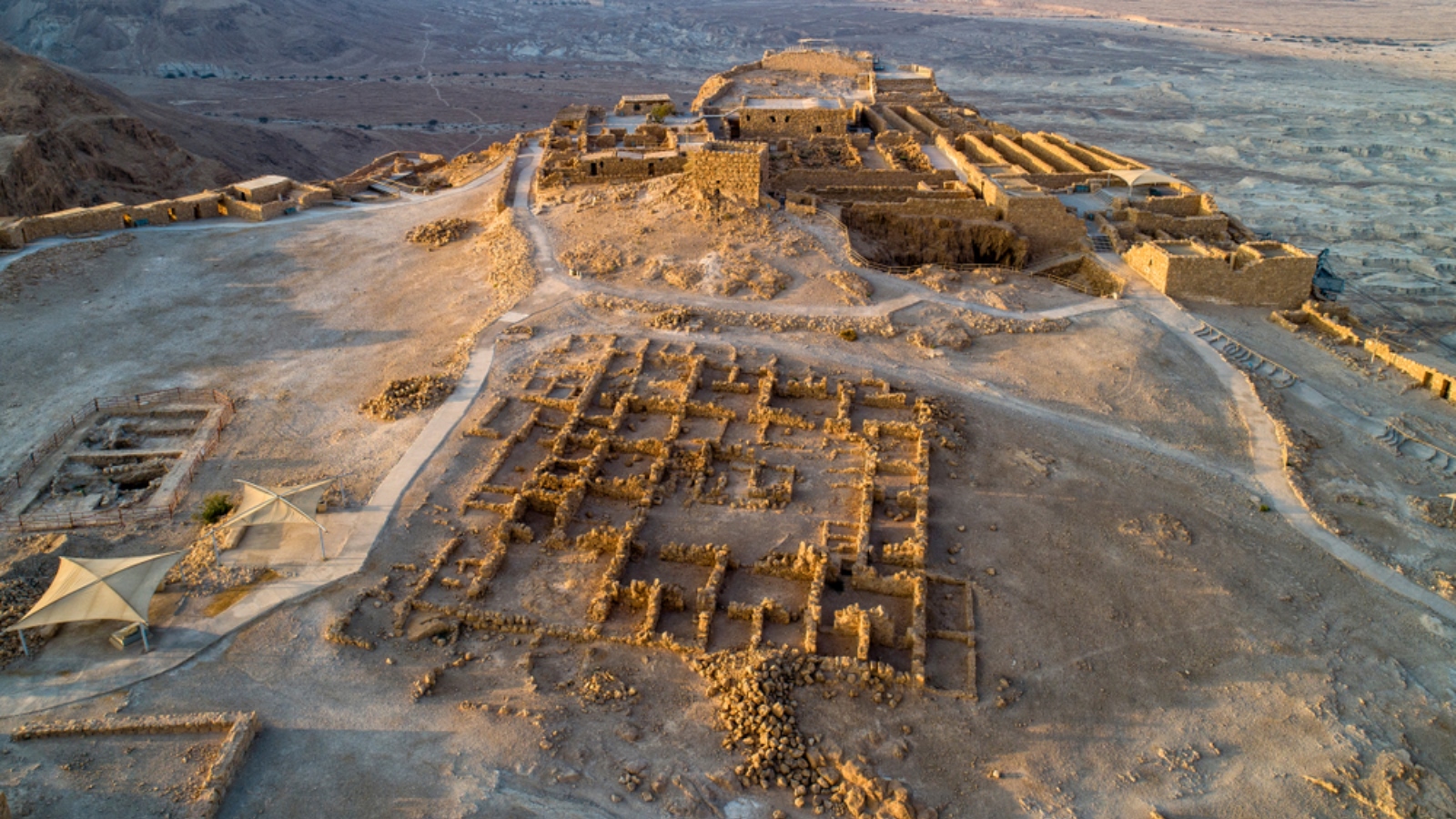
Where is the Ark of the Covenant hidden? What is that manmade mound of rocks in the Sea of Galilee? And who built the Israeli Stonehenge?
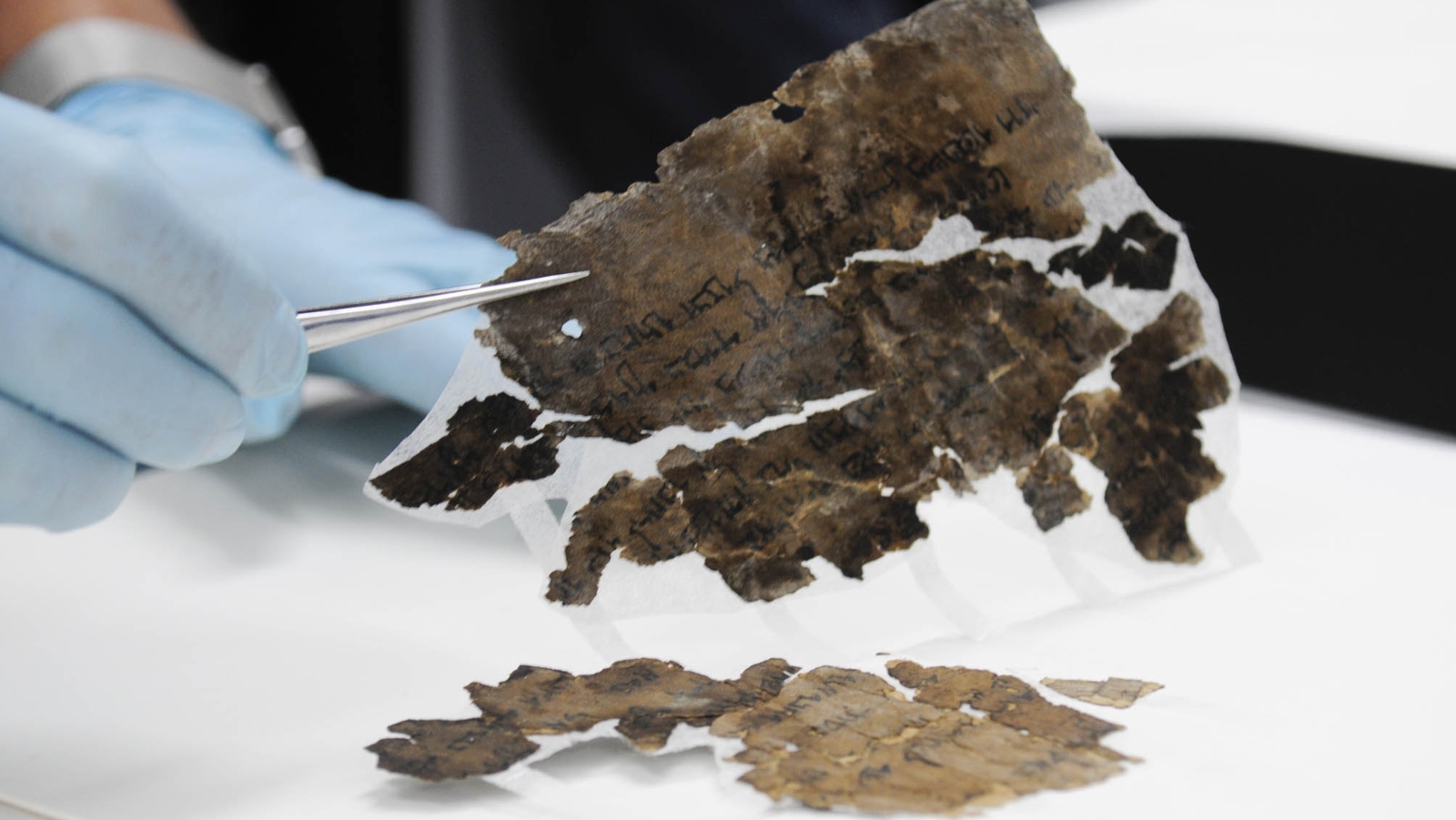
Israel Antiquities Authority invites the public the first-ever international conference on the Dead Sea Scrolls, May 17-20.
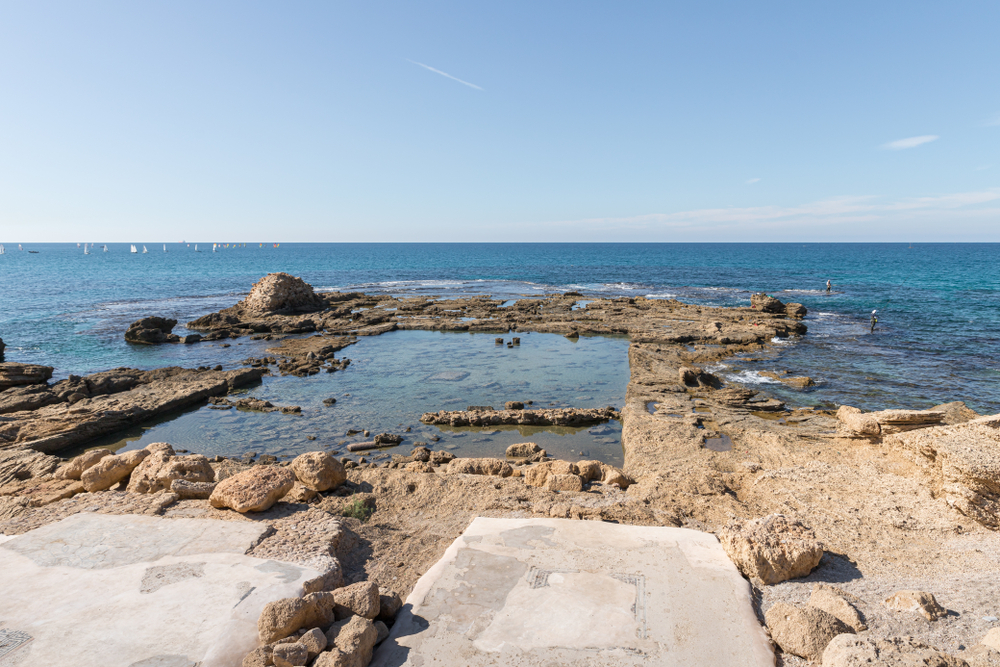
Findings could bring to light discoveries such as shipwrecks and submerged villages, ports, and cities from the past 10,000 years.

Coronavirus fears led an Israeli to return a 2,000-year-old ballista stone taken in Jerusalem 15 years ago, as he wanted to clear his conscience.

Archeology branches out to tackle burning issues such as climate change and the origin of regional inhabitants’ love affair with eggplant.

Thirteen-year-old Stav Meir stumbles upon a burial inscription belonging to a wealthy Caesarea resident from the Byzantine period.
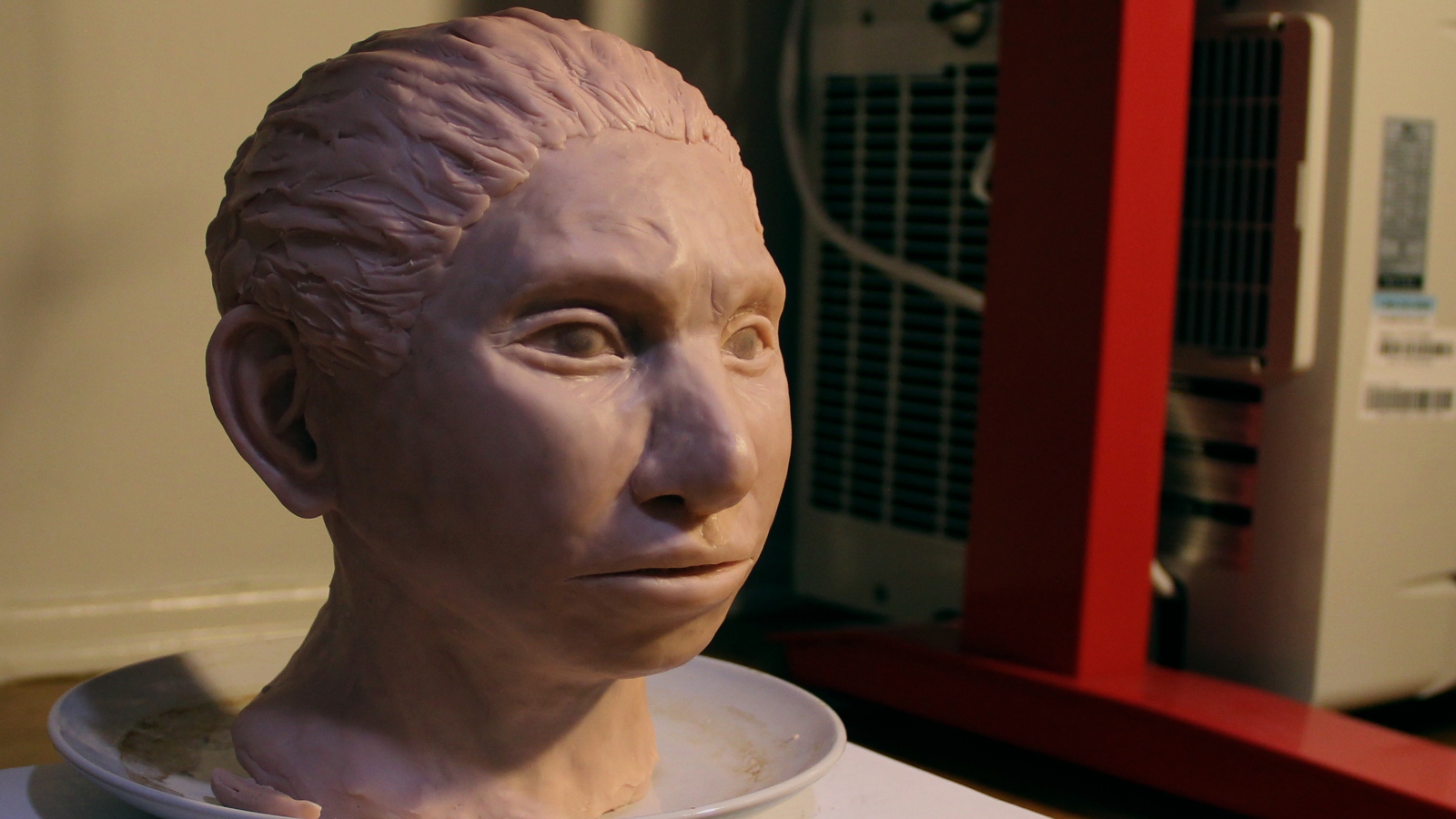
Hebrew University discovery named Science magazine’s 2019 People’s Choice for Breakthrough of the Year.