
How the Abraham Accords are transforming business
Two years on, the accords are creating endless opportunities for B2B companies in the MENA region and building a pro-business environment.

Two years on, the accords are creating endless opportunities for B2B companies in the MENA region and building a pro-business environment.
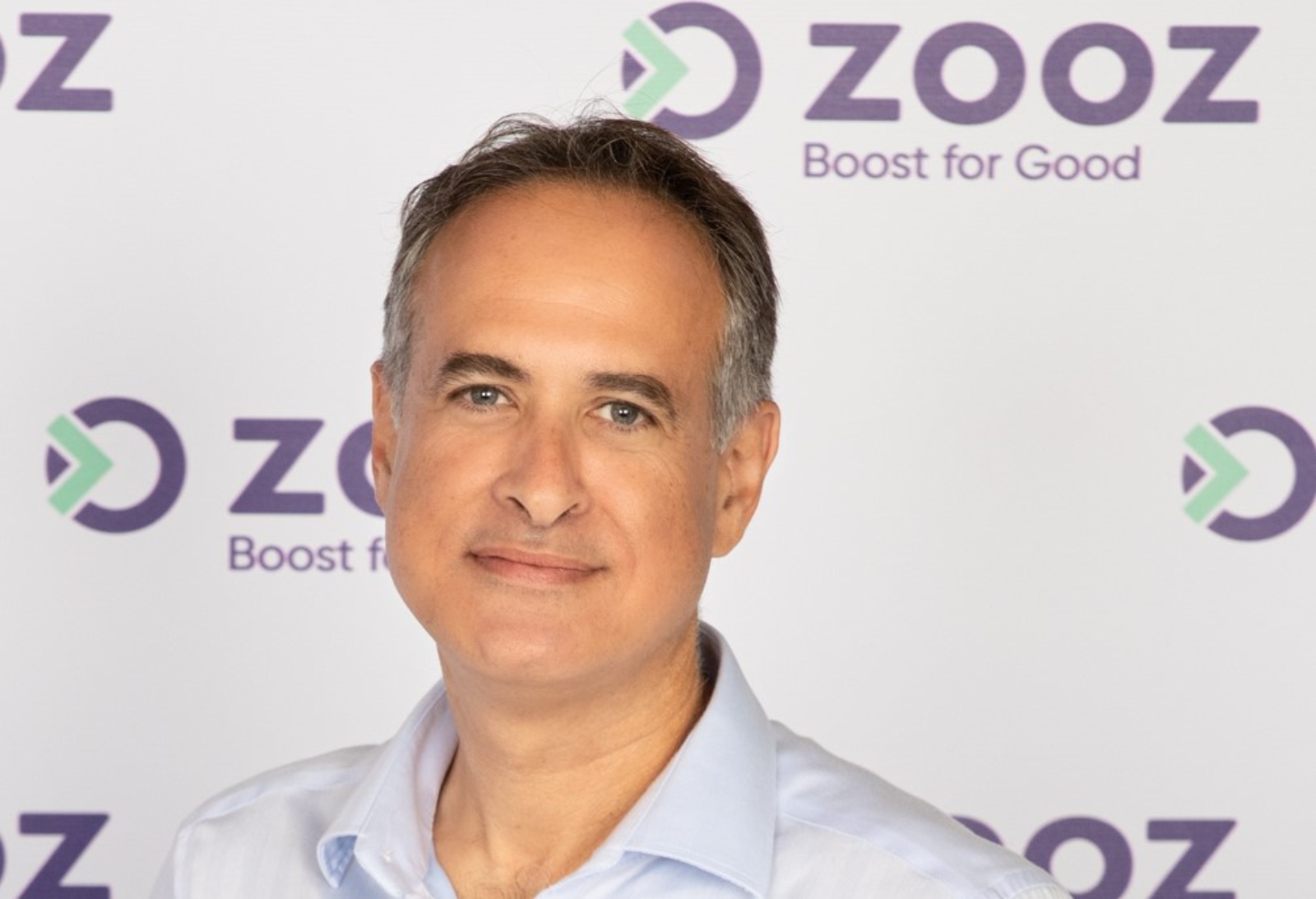
Blink Charging will be ZOOZ’s official US distributor; technology already used by LaGuardia Airport, New York Power Authority and a car rental agency.

Could 2023 be the year that Israeli innovation reaches truly stratospheric heights?

Technology developed at Tel Aviv University enables advancement of delivery systems for controlled release of drugs in the body using UV light.

A new AI-backed ‘time machine’ enables users to see what they would have looked like through the ages, from ancient Greece to the Swinging Sixties.

Every year, wind turbines around the world kill millions of bats and other flying animals that collide with their blades.

Snyk closes $196.5m Series C with Qatar Investment Authority as the lead funder, 2 months after laying off 198 employees.

European Research Council awards grant to develop computational analysis of 95,000 old manuscripts and fragments in National Library of Israel.

Orca Security uses collected data to identify bugs, malware, leaks and risks without increasing workloads or affecting system performance.

Cymbio’s platform enables brands to upload and manage stock on the sites of many retailers and marketplaces at once, solving a logistics pain point.

Snappy is used by Fortune 100 companies including Uber, Facebook, Salesforce and Microsoft. Now it’s available for individuals too.
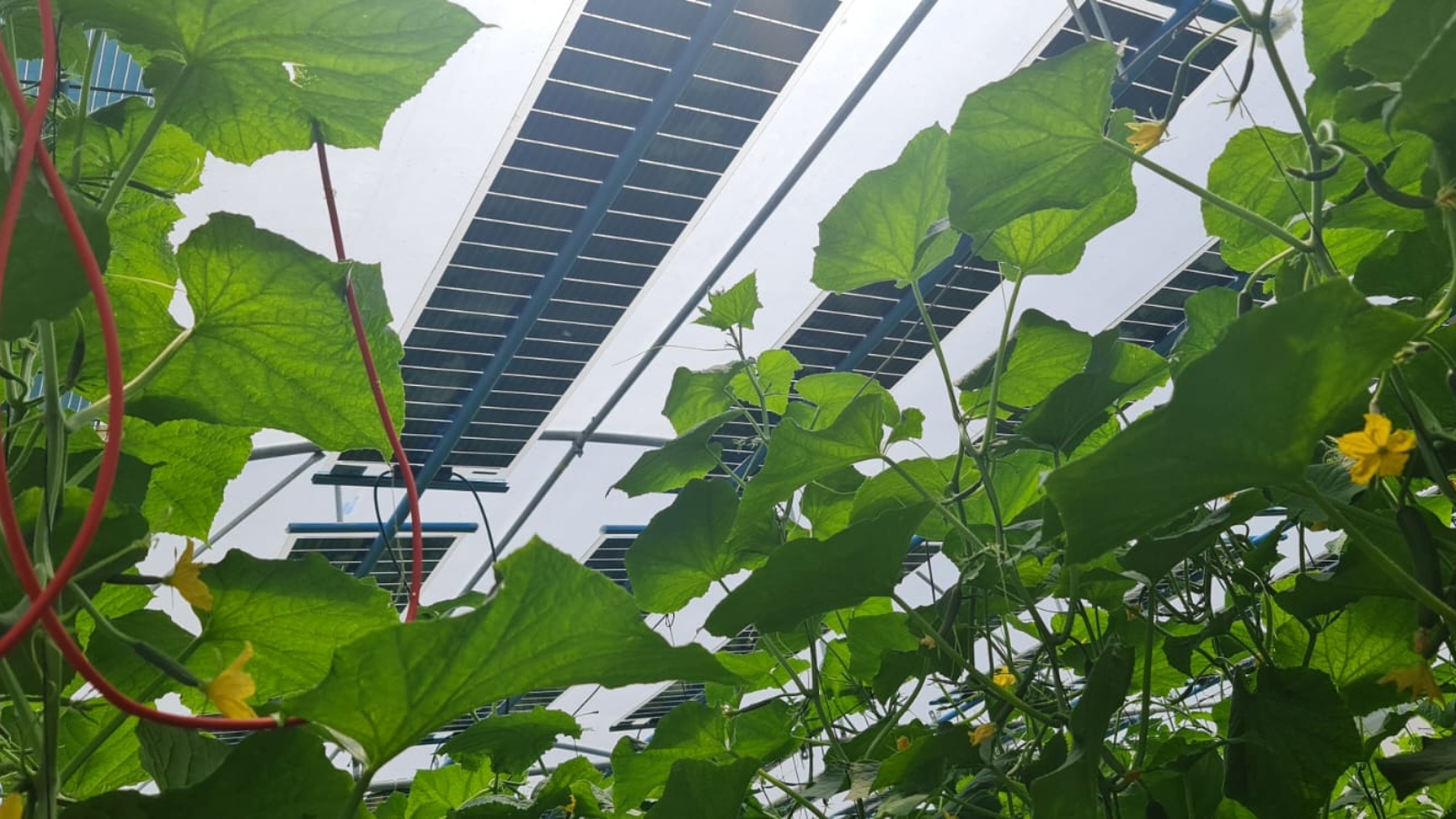
A new agrivoltaic technology allows farmers to use their land to grow plants and create solar power in the same space.

Leading European textile machinery maker partners with Sonovia to cut carbon footprint of clothing production ahead of new European rules.
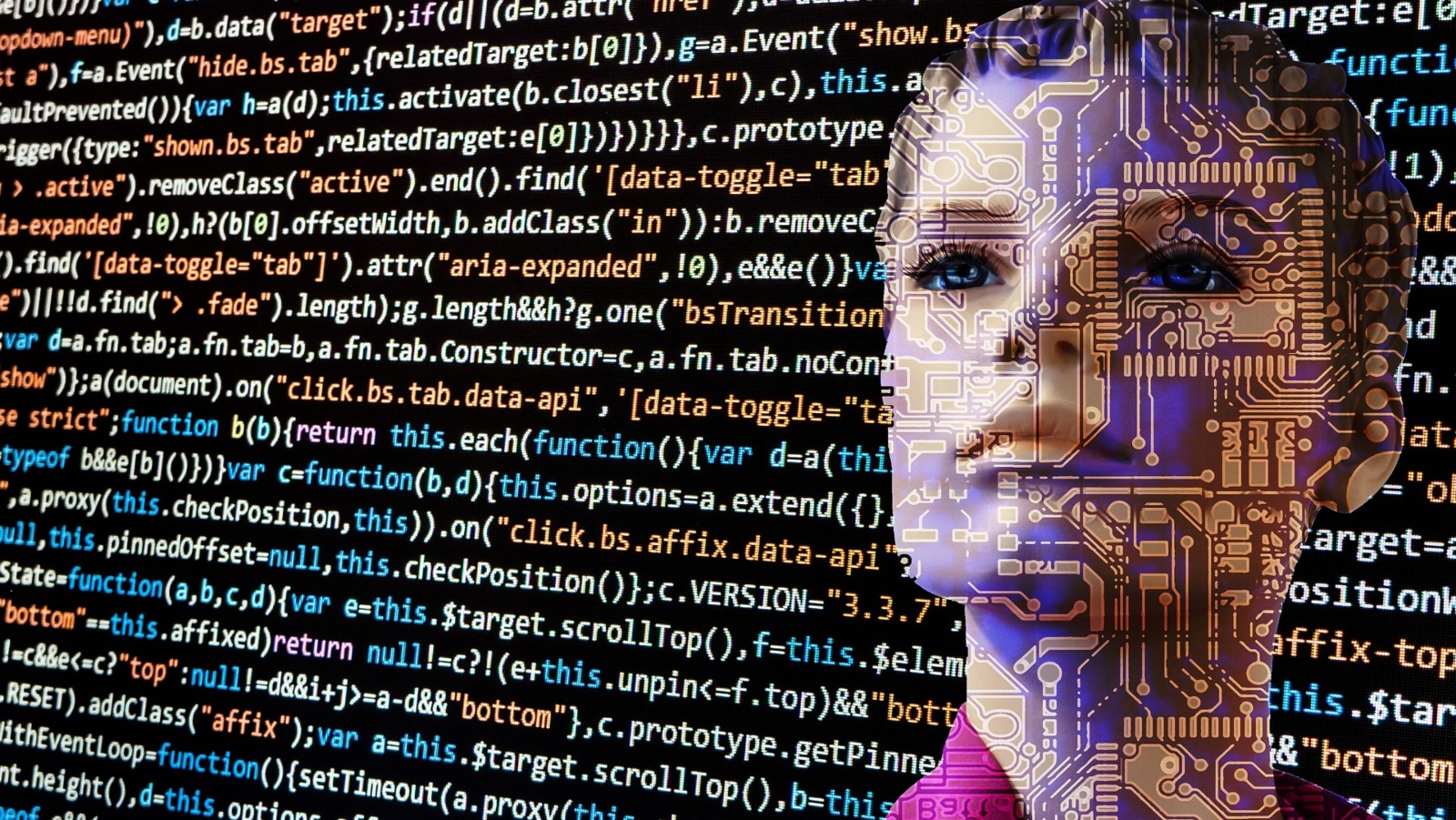
AI21 Labs, Pecan AI, Run:AI and Zencity chosen among the most promising artificial intelligence startups of 2022.

Breakthrough technology blends sensors and human tissue in a smart kidney chip, allowing scientists to find a previously unknown toxicity mechanism.