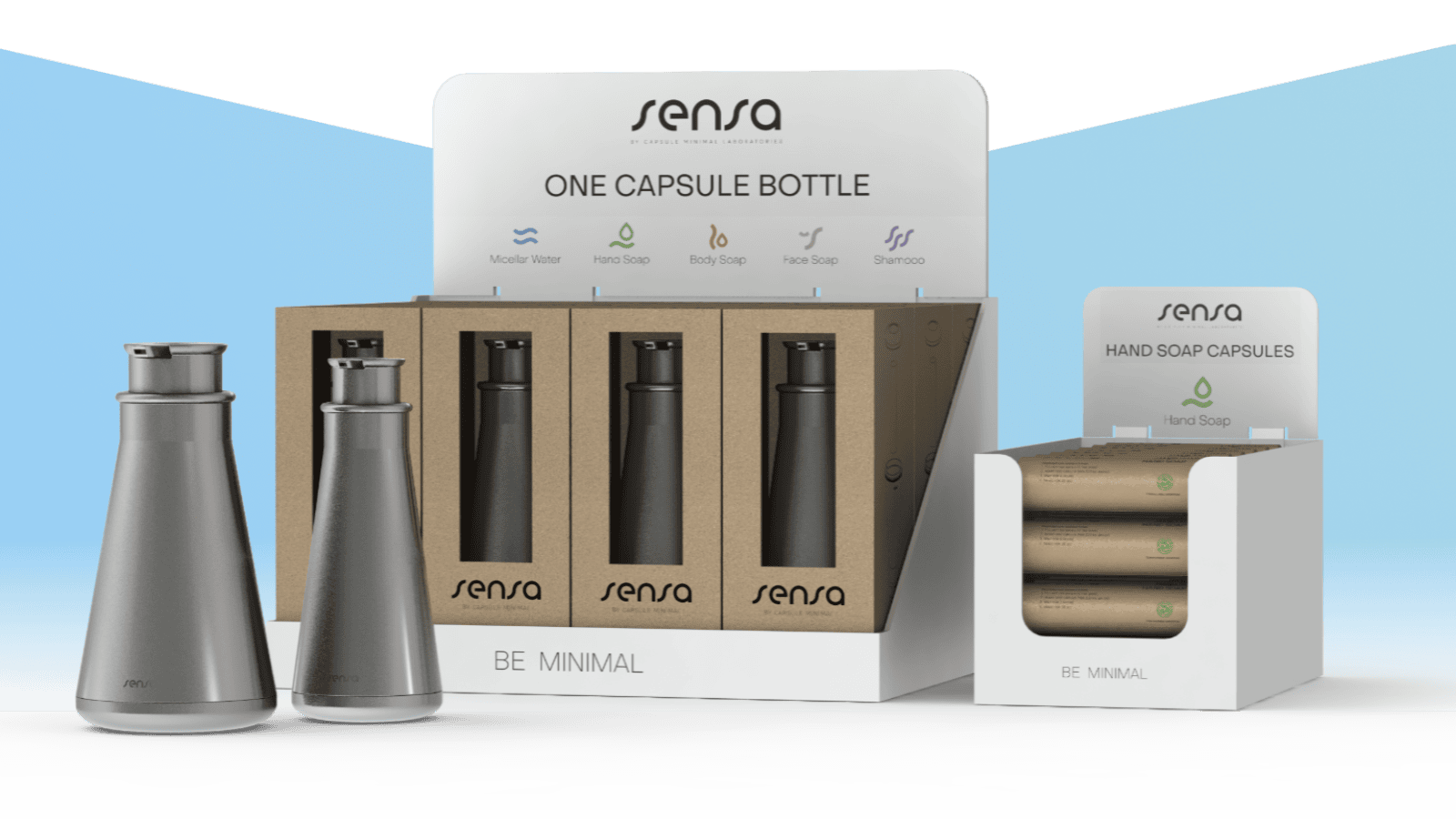
Capsule solution set to replace disposable toiletry bottles
Adding water to soap or shampoo concentrate to a reusable bottle at the point of usage would cut costs and pollution drastically.

Adding water to soap or shampoo concentrate to a reusable bottle at the point of usage would cut costs and pollution drastically.

Inna Braverman barely survived the Chernobyl nuclear explosion as a baby, and has spent most of her life searching for safe energy solutions.

To meet increasing demand for sustainable practices, fashion students use digital tools in place of markers, sketchbooks, paper patterns and fabrics.

New Israeli company built on technology that transforms many types of materials and feedstock, including industrial waste, into synthetic fuel.
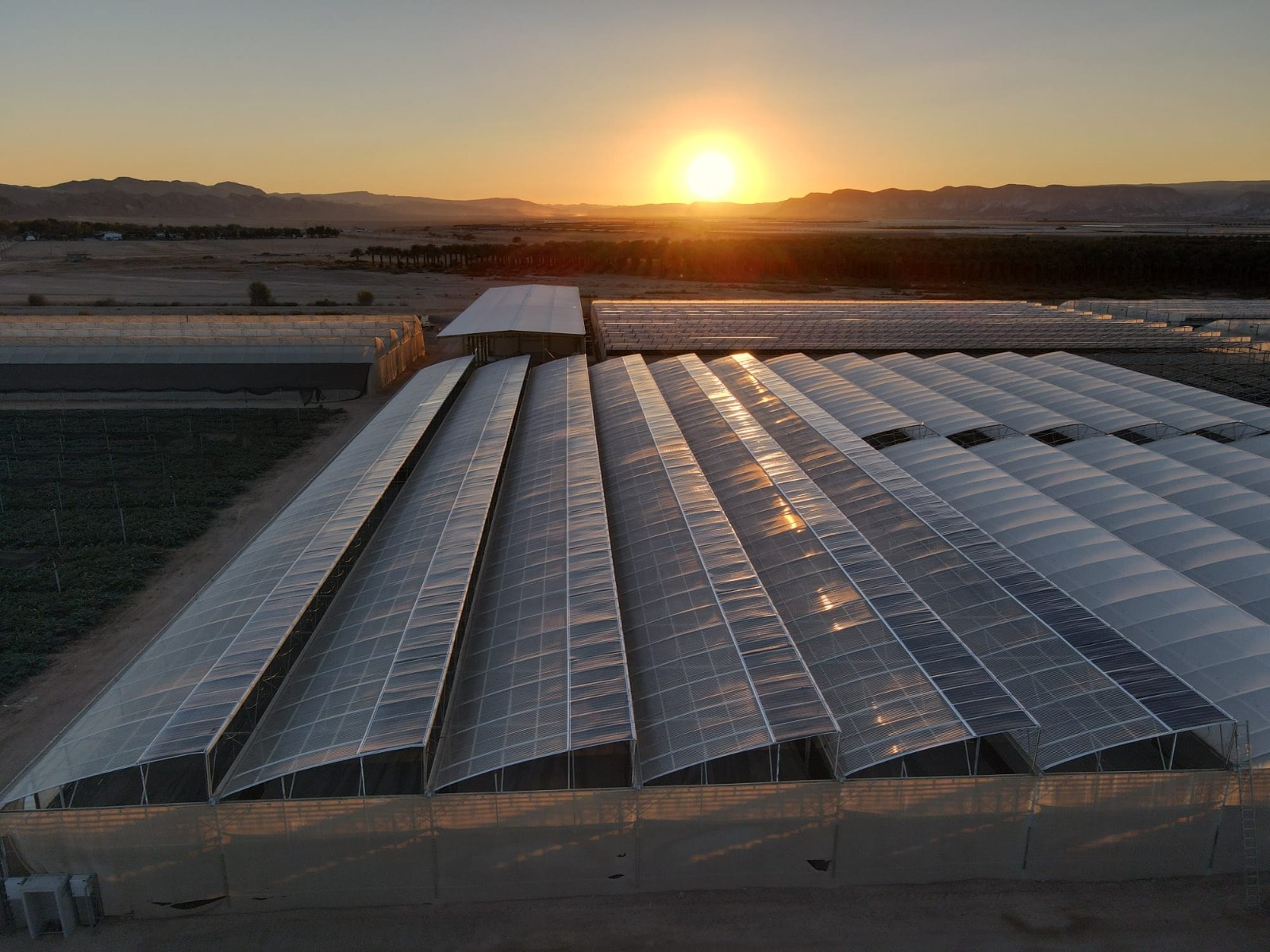
Startup Apollo Power has developed lightweight, flexible solar panels that can turn any surface including a car roof into a power-generating platform. Amazon, Volkswagen and Hyundai are already on board.

From secondhand clothing to repurposed inner tubes and reconditioned bikes, Tel Aviv is proving consumer goods don’t have to be costly and wasteful.

Wadi Attir has grown from a farm to a center striving to promote desert restoration. Now, it also has a mission to bridge ties between Arabs and Jews.

Startup’s powdered aquafaba promotes the circular economy by turning a factory byproduct into a functional raw material for the food industry.

Household garbage, industrial sawdust and other seemingly useless waste materials are being recycled into a vast range of valuable products.

War, or no war, startup turning an ecofriendly plant grown in Israel’s south into sustainable materials for construction and plastic industries moves forward.

Evogene announces major business deal despite struggling with loss of life and intermittent rocket fire on its offices.
Excess greenhouse gases are a huge global problem but the individual actions we take can make a difference.
Israel’s startup sector is trying to aid the world in removing about 10 billion tons of greenhouse gas emissions already in the atmosphere.
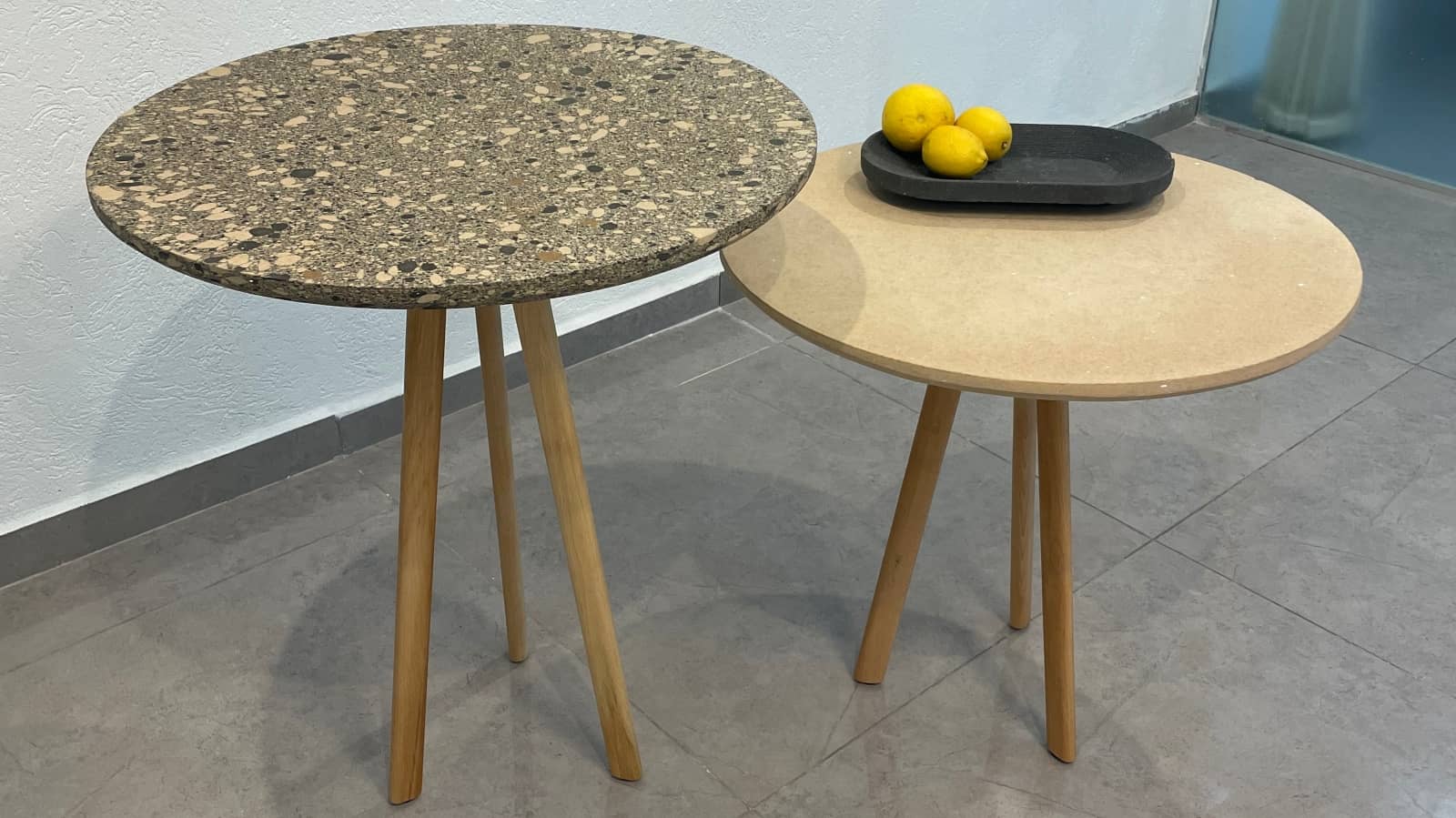
New circular production process saves wood byproducts from the waste stream, yielding a 100% natural raw material with no thermoplastics.

The only thing stopping the use of ammonia as fuel is the current polluting method of producing it. Here’s a company proposing a green answer.