
8 innovations helping slash pesticide use
Increased demand for crops and food also means an increase in chemicals hazardous to our health and environment – but it doesn’t have to be that way.

Increased demand for crops and food also means an increase in chemicals hazardous to our health and environment – but it doesn’t have to be that way.

Butterfly experts say climate change and use of pesticides have contributed to a crisis that may lead the species to disappear altogether.

Strategies such as ‘good’ viruses and targeted antibodies can keep wheat, corn, soybeans, rice and other staple crops protected without harm to environment or people.
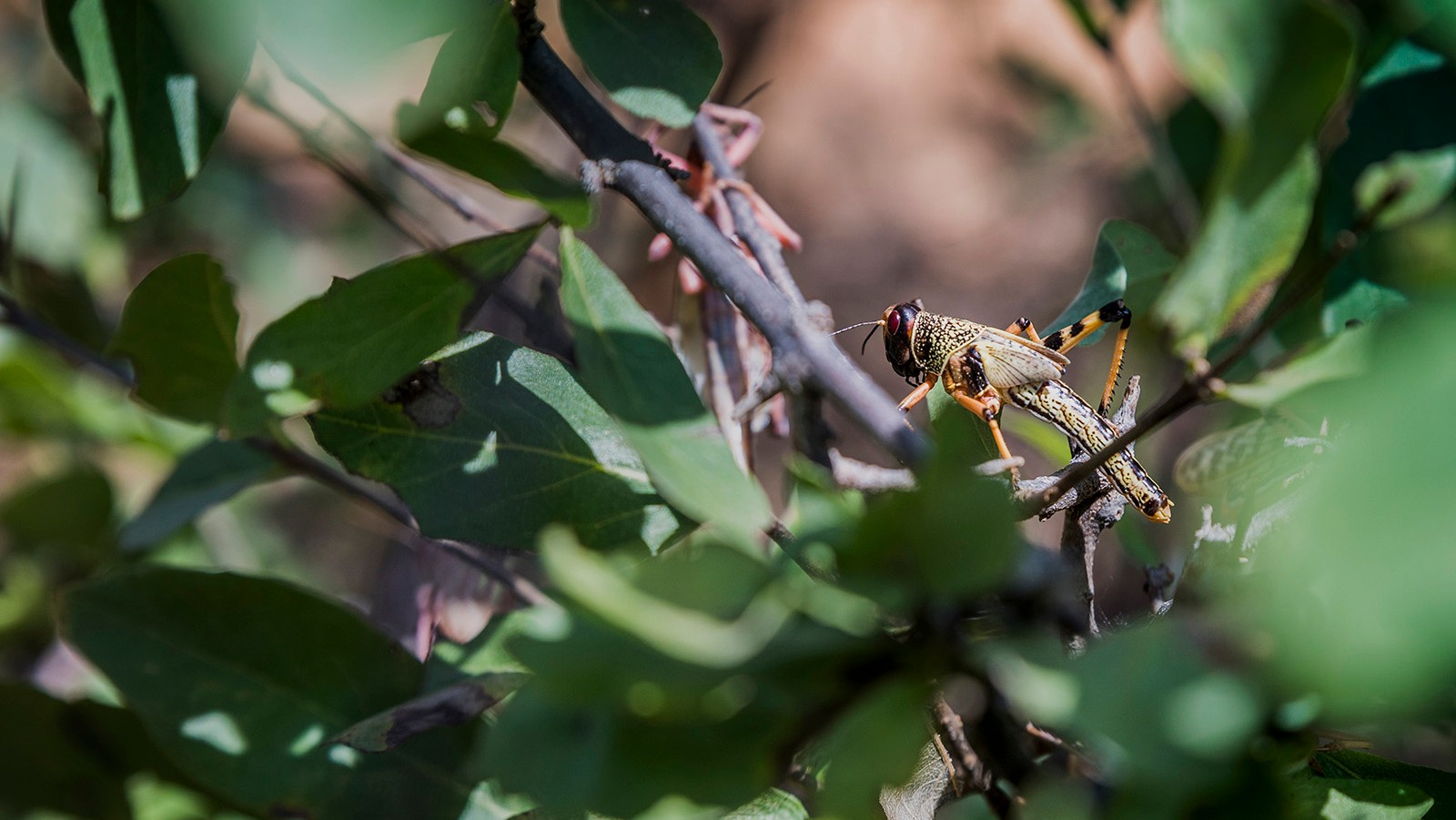
Experts from Israel bring equipment and knowhow enabling Ethiopian farmers to protect their fields from deadly desert locust swarms.

Overexposure to pesticides pinpointed as the probable cause of unexplained symptoms among North American diplomatic families in 2016-2018.
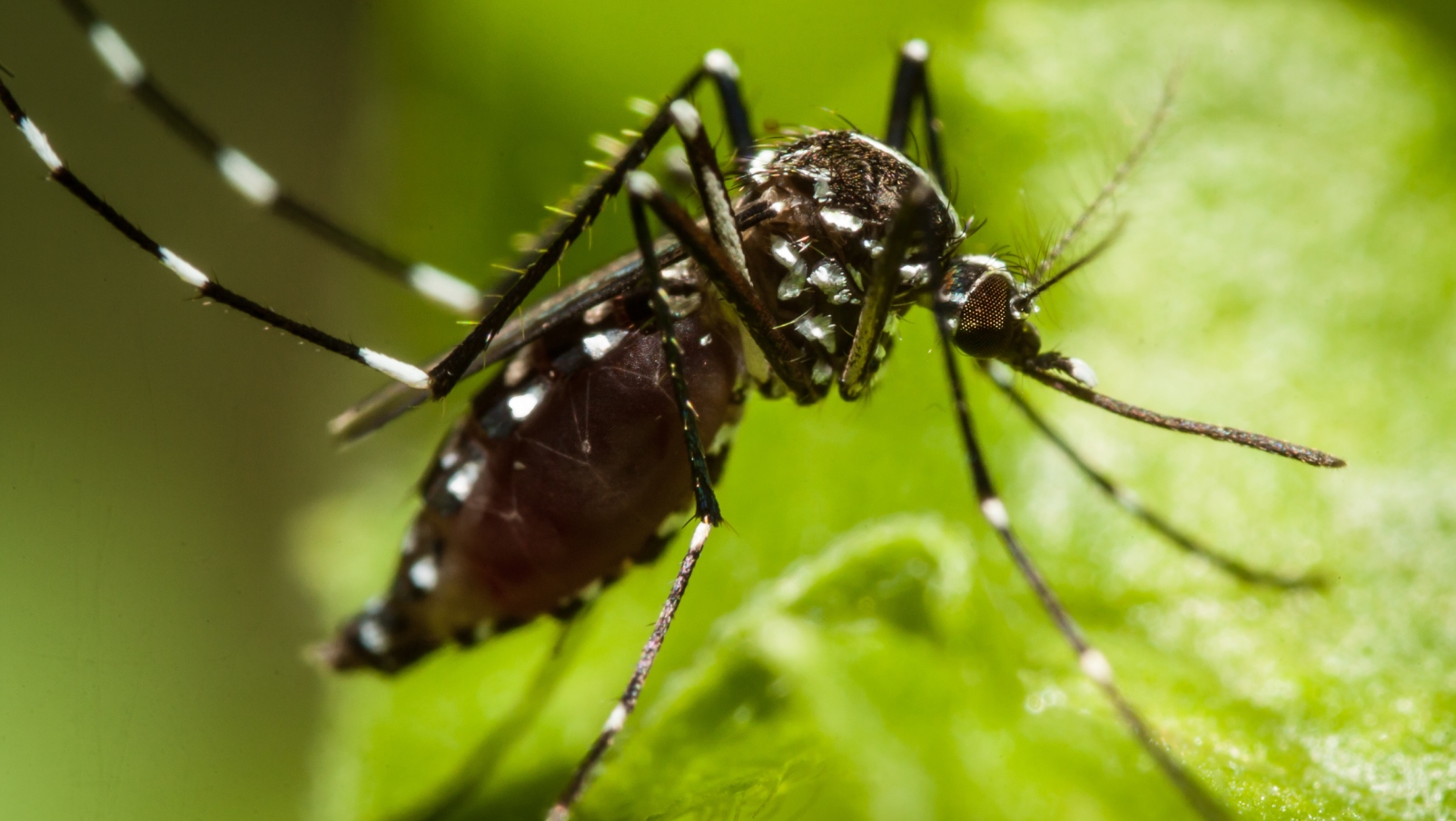
Israel’s Senecio is testing its high-tech system for sorting, packaging and delivering sterile male mosquitos in the millions over infested areas.

FieldIn’s software helps commercial farmers eliminate spraying mistakes, reducing the number of sprays and overall use of pesticides on their crops.

Sterile flies to help reduce population of fruit flies in citrus orchards in Croatia and Bosnia.