
Israeli life sciences in rosy health with $5.2b in exports
Health-tech ‘report card’ for 2021 shows a thriving sector with about $5 billion invested and 1,800 active companies.

Health-tech ‘report card’ for 2021 shows a thriving sector with about $5 billion invested and 1,800 active companies.

Restore Medical is testing a revolutionary implantable device hoped to reduce symptoms and repeat hospitalizations in people with CHF.

JVP and AstraZeneca choose nine early-stage companies for six-month accelerator as Israel looks into the post-corona world.

The TV series exposes cutting-edge medical tech and the inspirations of the creators in cities around the globe.
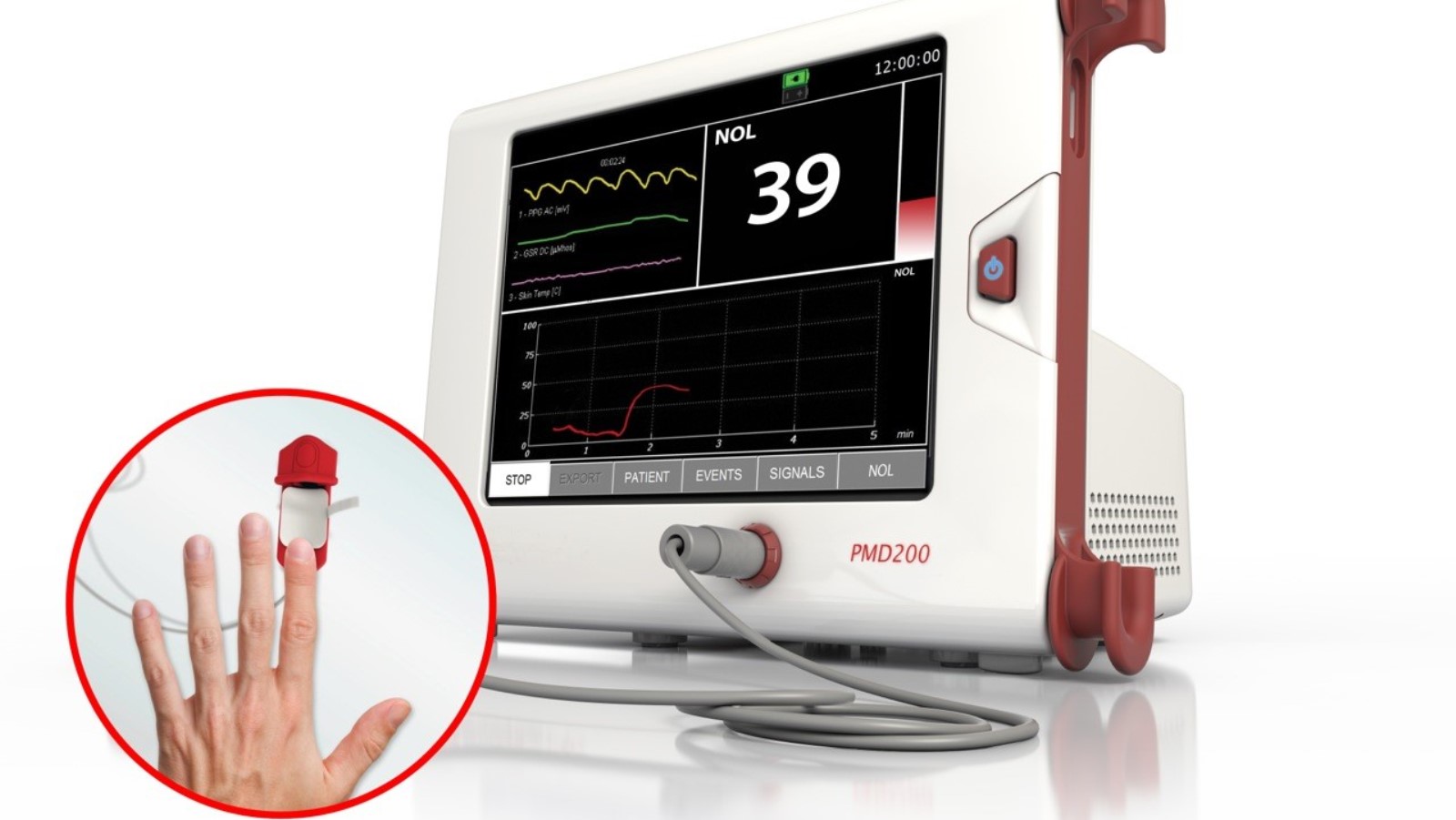
Medasense for pain management and Vectorious for heart-failure monitoring were among 50 companies selected from a field of 800 applicants.

Heart failure, kidney disease, sleep apnea, diabetes, back pain – disruptive medical devices emerging from Israel could transform treatment for these conditions.
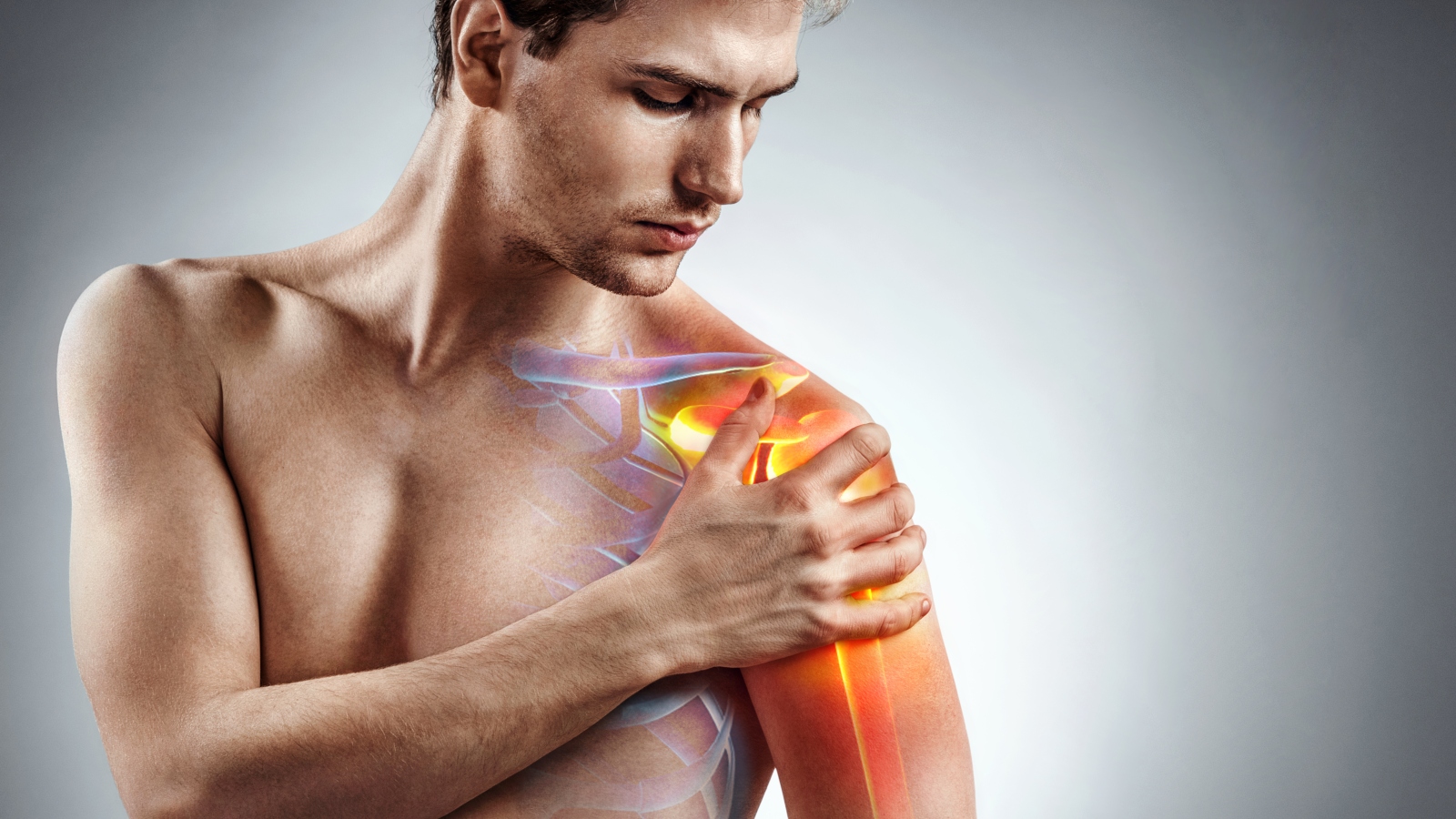
OrthoSpace’s InSpace is a minimally-invasive plastic cushion that helps patients avoid surgery following a wound or inflammation of the shoulder.

Innovation and acceleration centers in several Israeli medical centers are finding technological cures for global healthcare ills.
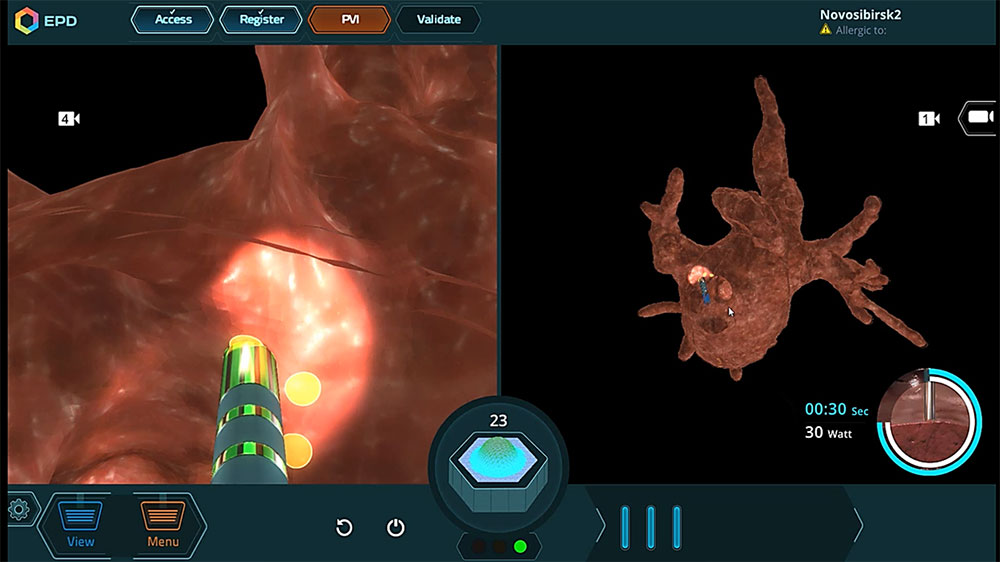
The Caesarea-based startup will become part of multinational giant Royal Philips’ Image-Guided Therapy business unit.
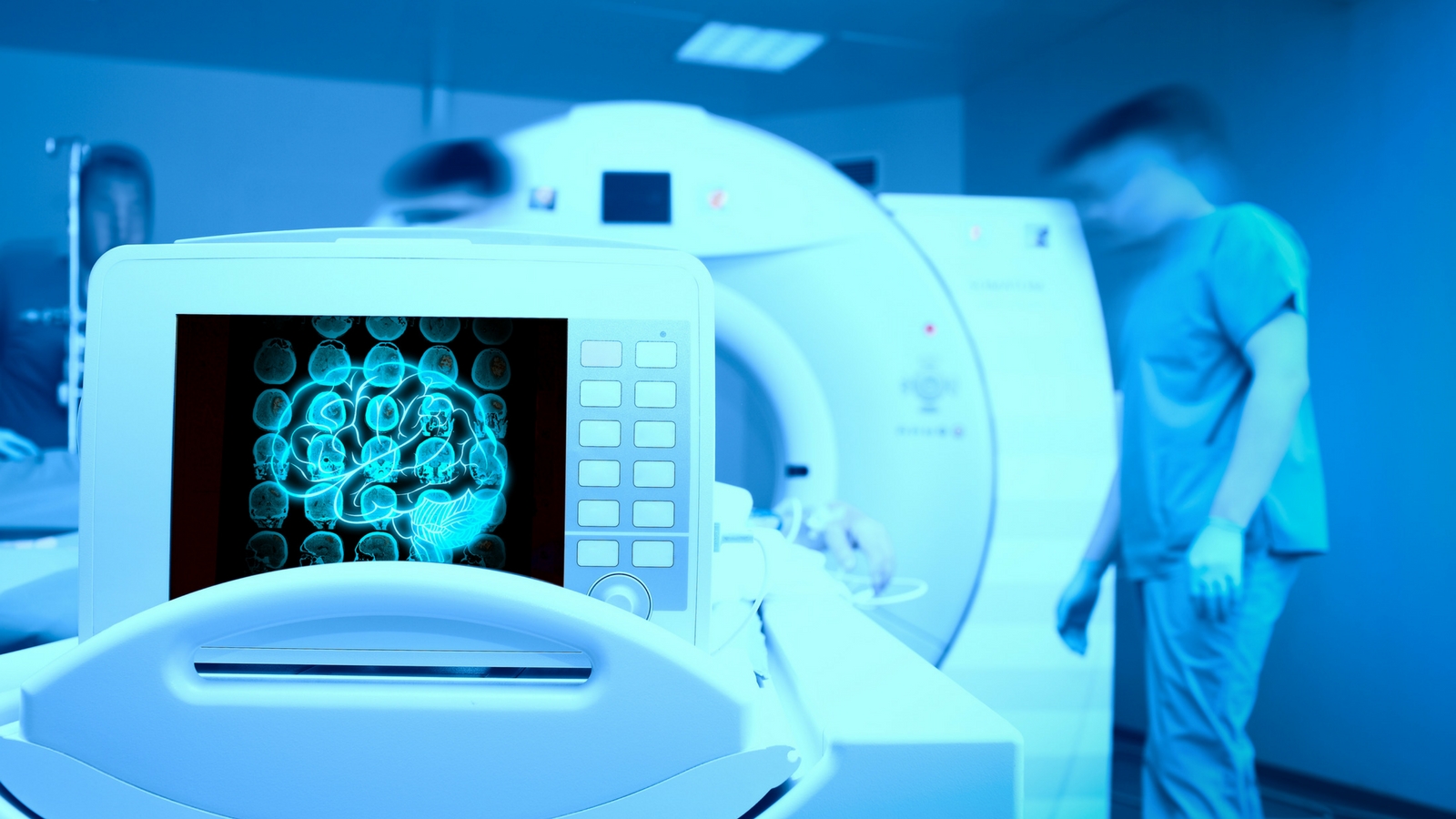
A team of Israeli cybersecurity researchers warn that heightened protection for medical imaging devices is needed as they try to find new solutions.

Israeli life science companies ‘will get more done on a million dollars than a company would in the United States.’
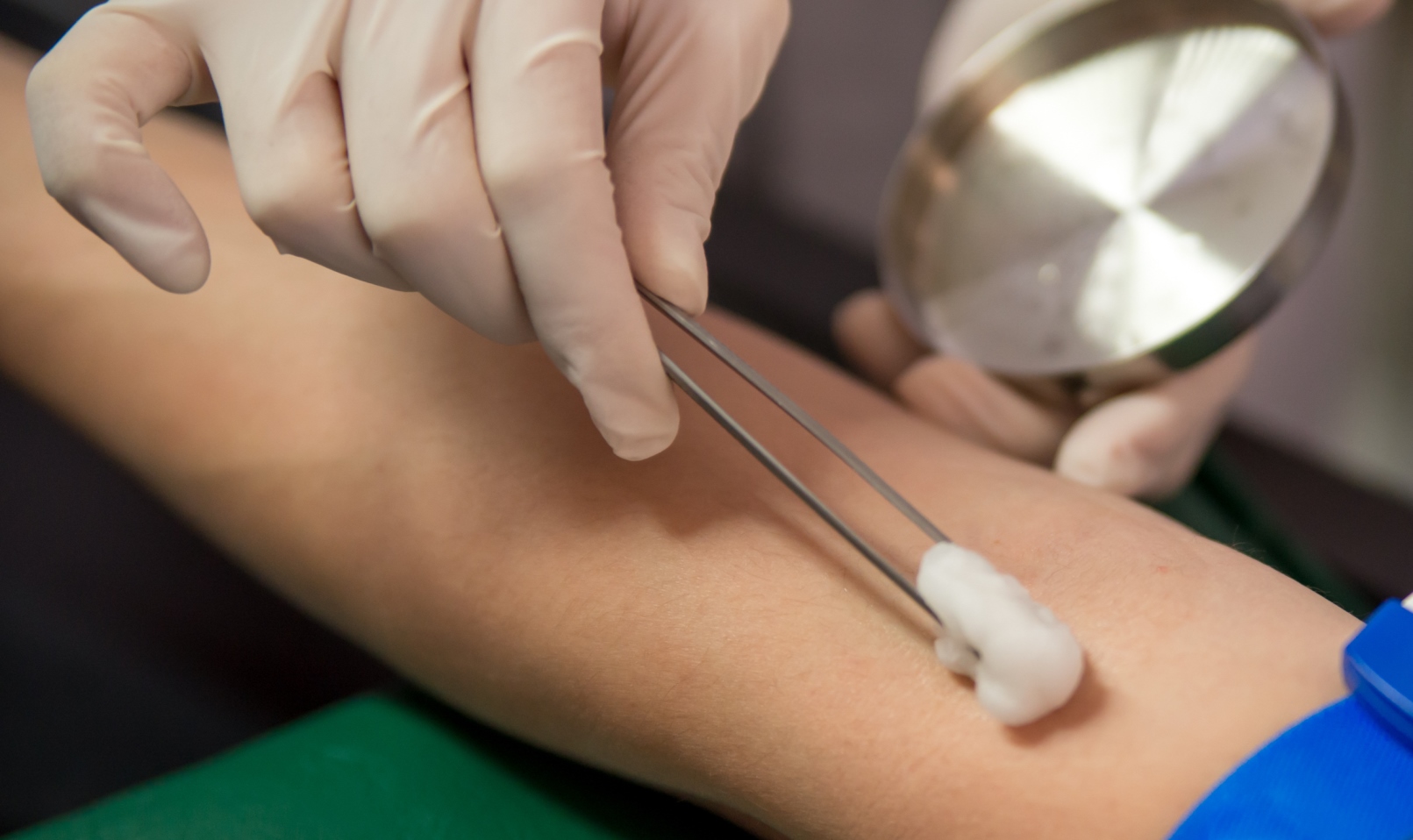
Ben-Gurion University of the Negev and Cincinnati Children’s Hospital launch new company to commercialize Fast Intelligent Needle Delivery system.
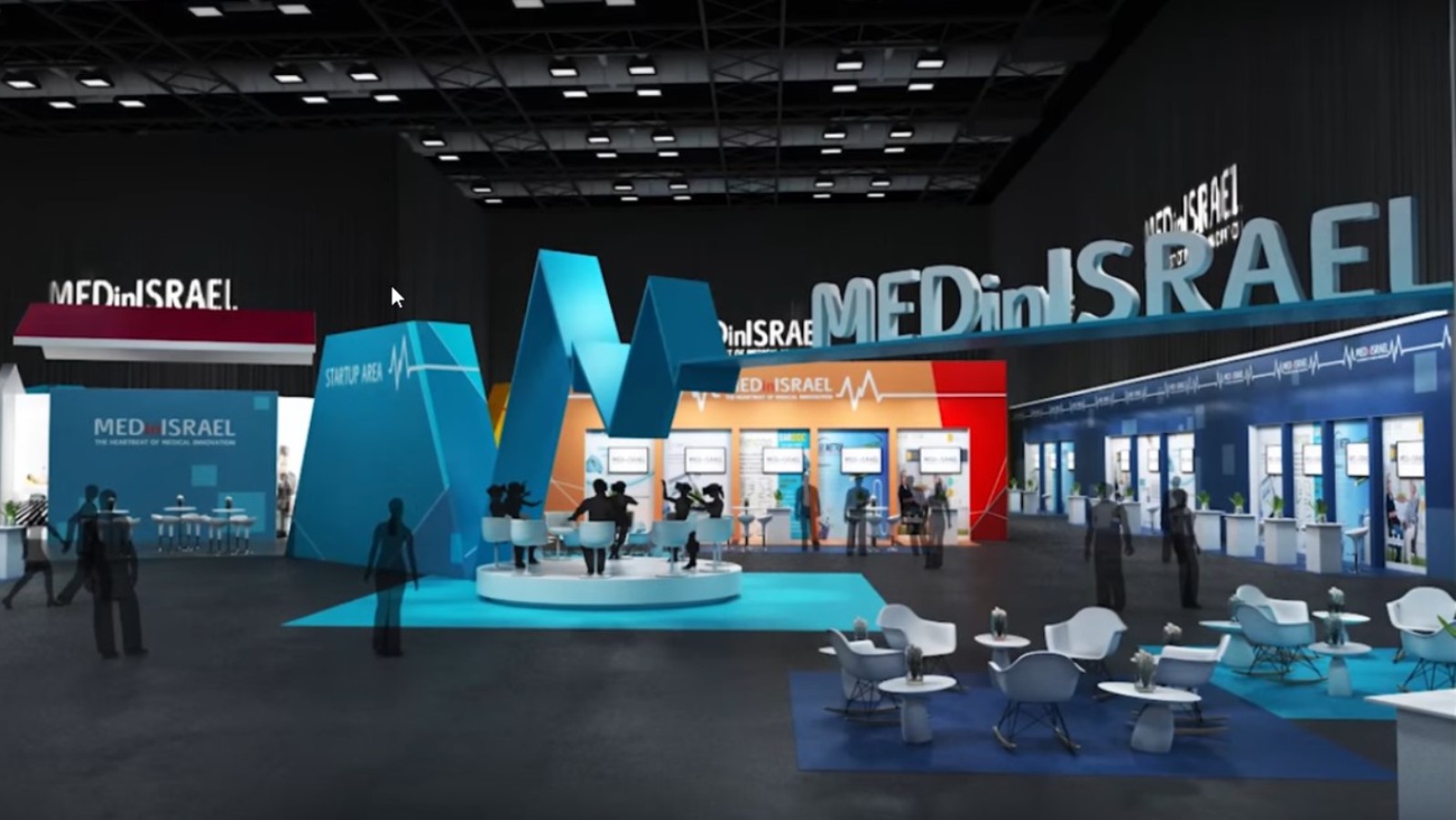
Israel boasts more than 1,300 active life-sciences companies and 500 medical device exporters.

From research to agricultural and technical innovation and liberal government policies, Israel is a central hub for advancing medical cannabis.

Fidmi’s unique device promises a better quality of life to patients nourished via a feeding tube, and easier handling for caregivers.