
New discovery: Plants talk, especially when stressed
Groundbreaking study proves that plants emit ultrasonic noises beyond human hearing range but detectable by bats, rodents and insects.

Groundbreaking study proves that plants emit ultrasonic noises beyond human hearing range but detectable by bats, rodents and insects.

Israeli microbiome research will help in predicting, diagnosing and treating a wide range of conditions and diseases.

Israeli researchers find the source of the risk is the anesthesia used during surgery rather than the surgery itself or the reason for the surgery.

Israeli researchers discuss progress and challenges towards targeted delivery of cancer therapeutics.

The Galápagos’ famed finches are in urgent danger of extinction. A research team from Israel is traveling to the islands in search of a solution.

Israeli researchers discover survival rates in pancreatic cancer linked to inverse correlation between specific oncogene and tumor suppressant.

Analysis by Israeli and British researchers suggests that many mammalian species stayed undercover in daytime, perhaps out of fear of large predators.

Israeli scientists show that weakening communication between two parts of the brain in mice reduced their fear levels.

Ben-Gurion University of the Negev announces new technique that completely protects internet video and pictures from hackers.

Toxic protein behind disease may simultaneously affect all parts of the nervous system inside and outside of the brain.
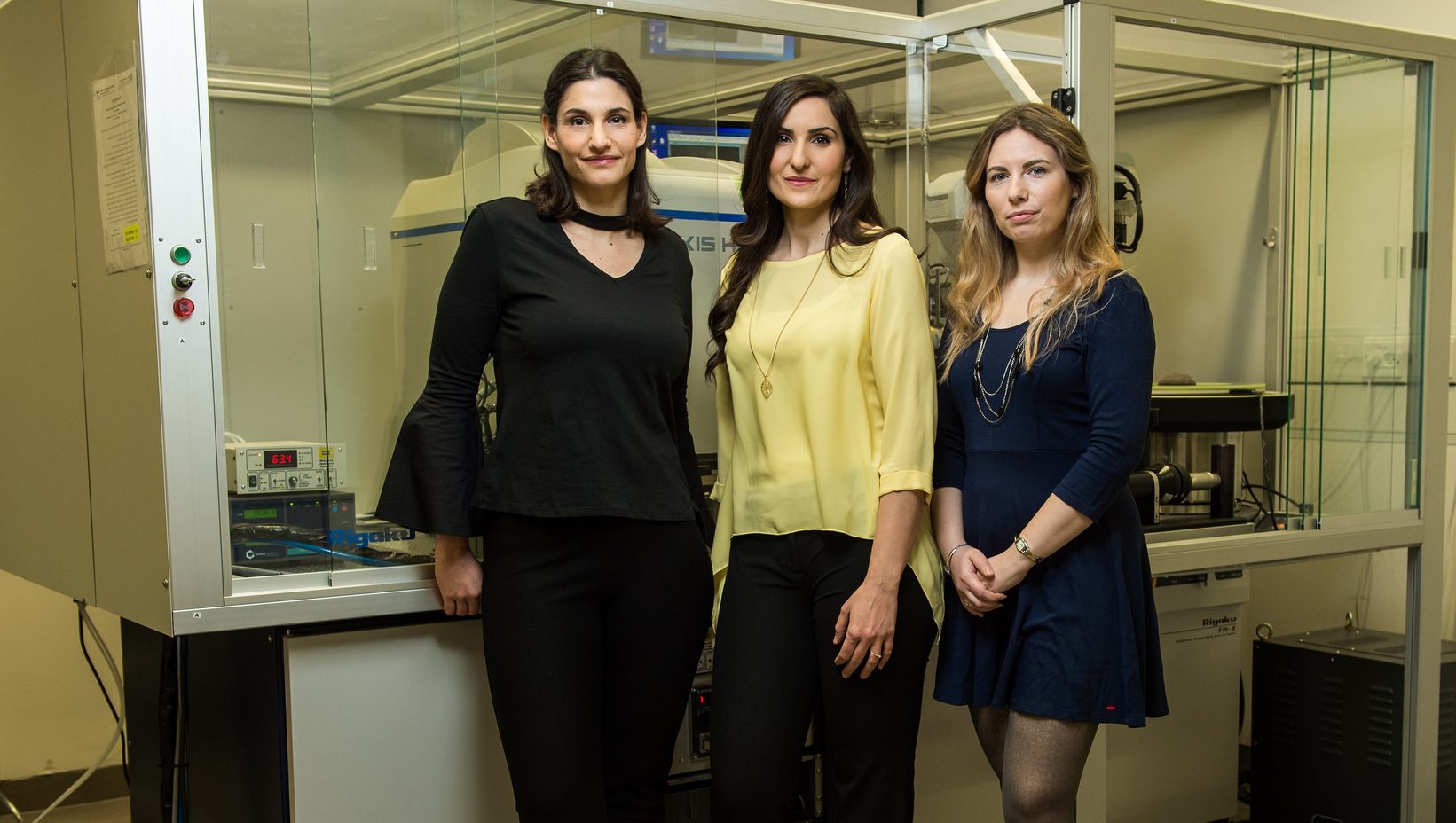
Israeli research could advance discovery of antibiotics with a novel mechanism of action that will attack key bacterial toxins.

From research to agricultural and technical innovation and liberal government policies, Israel is a central hub for advancing medical cannabis.

Murphy’s Law has nothing to do with which line you choose in the supermarket; your number sense abilities do.

Israeli researchers show that nutrition and health status during the first year of one’s life play key role in determining one’s growth and final adult height.

Israeli scientists pinpoint the SYCE1 gene as the culprit of a unique genetic disorder responsible for ovarian insufficiency in women under 40.