Why scent is the next frontier for technology
Scientists and entrepreneurs are increasingly turning to scent to help detect disease, boost memory, entertain, and protect people from food allergies.

Scientists and entrepreneurs are increasingly turning to scent to help detect disease, boost memory, entertain, and protect people from food allergies.

An electronic nose that sniffs cancer, a wearable lab that detects poisons in buildings, self-healing electronic devices, Hossam Haick is constantly inventing devices designed to change our lives.
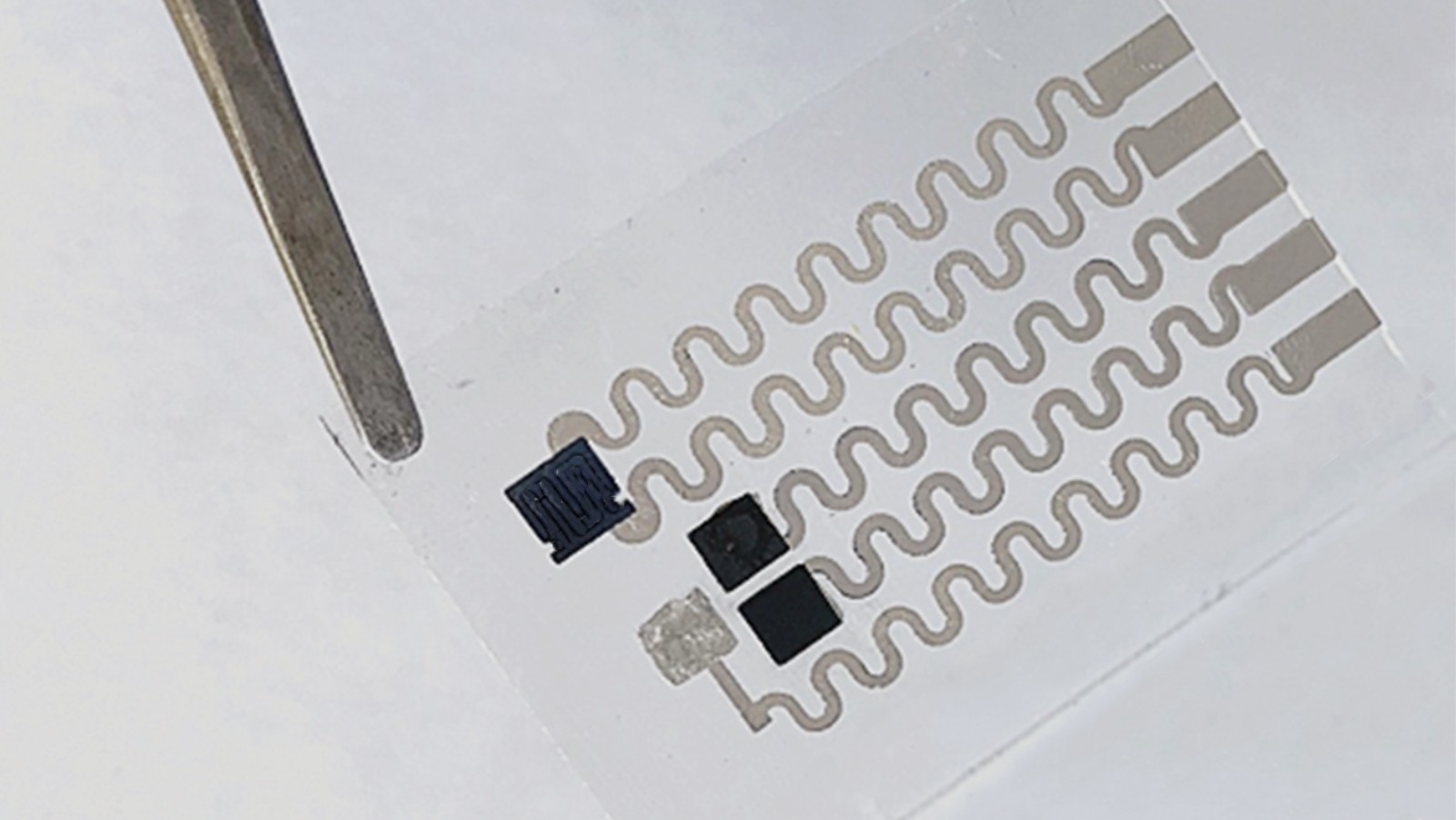
Chemical engineers patent a smart dressing that binds the edges of a surgical incision, delivers medication, and reports on healing progress.

Technion scientists invent A-Patch to provide a cheap, quick, noninvasive method for diagnosing a disease affecting millions in the developing world.
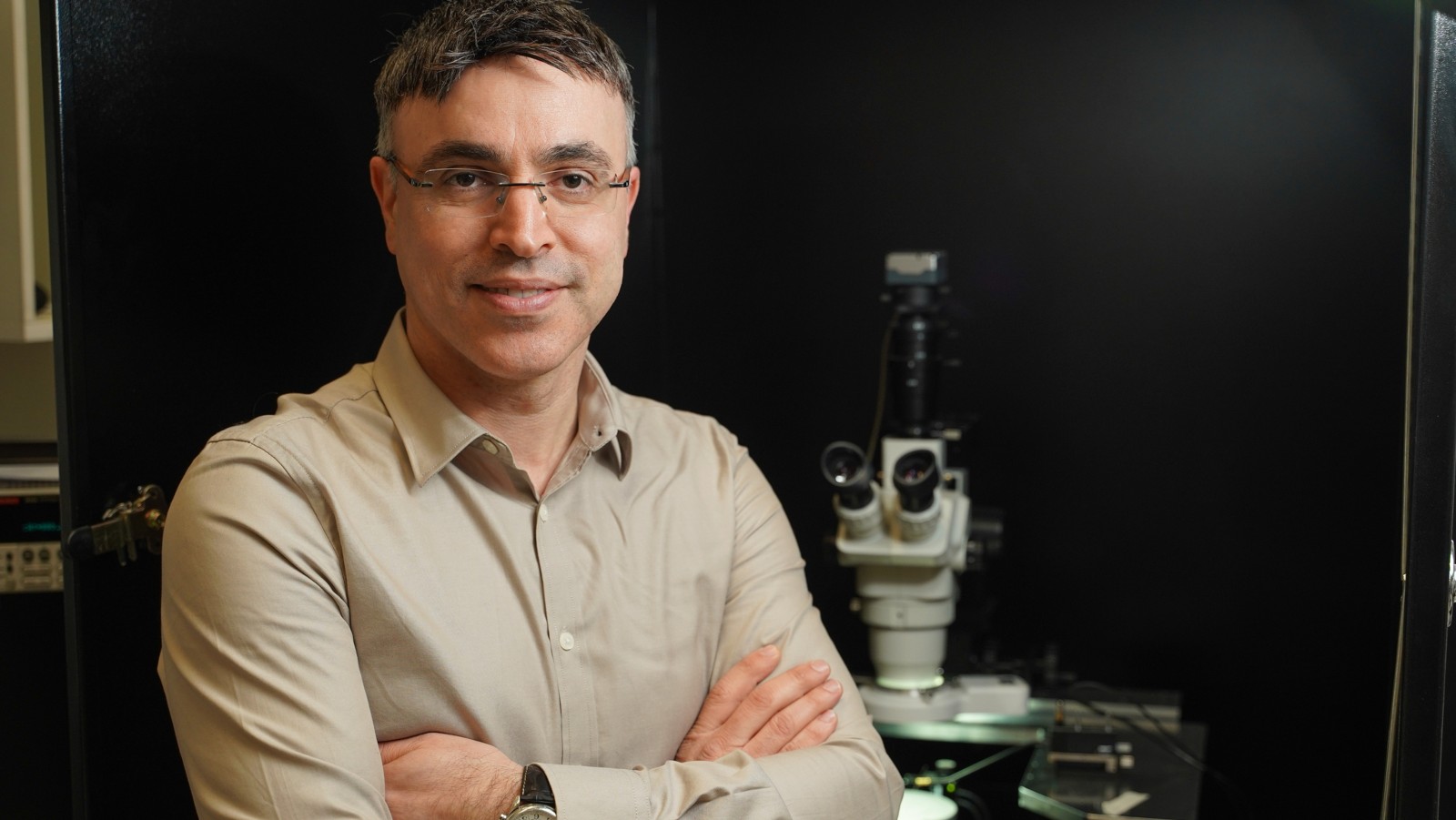
Breath test from Technion scientist shows promising early results in sniffing out Covid-19 within 30 seconds.
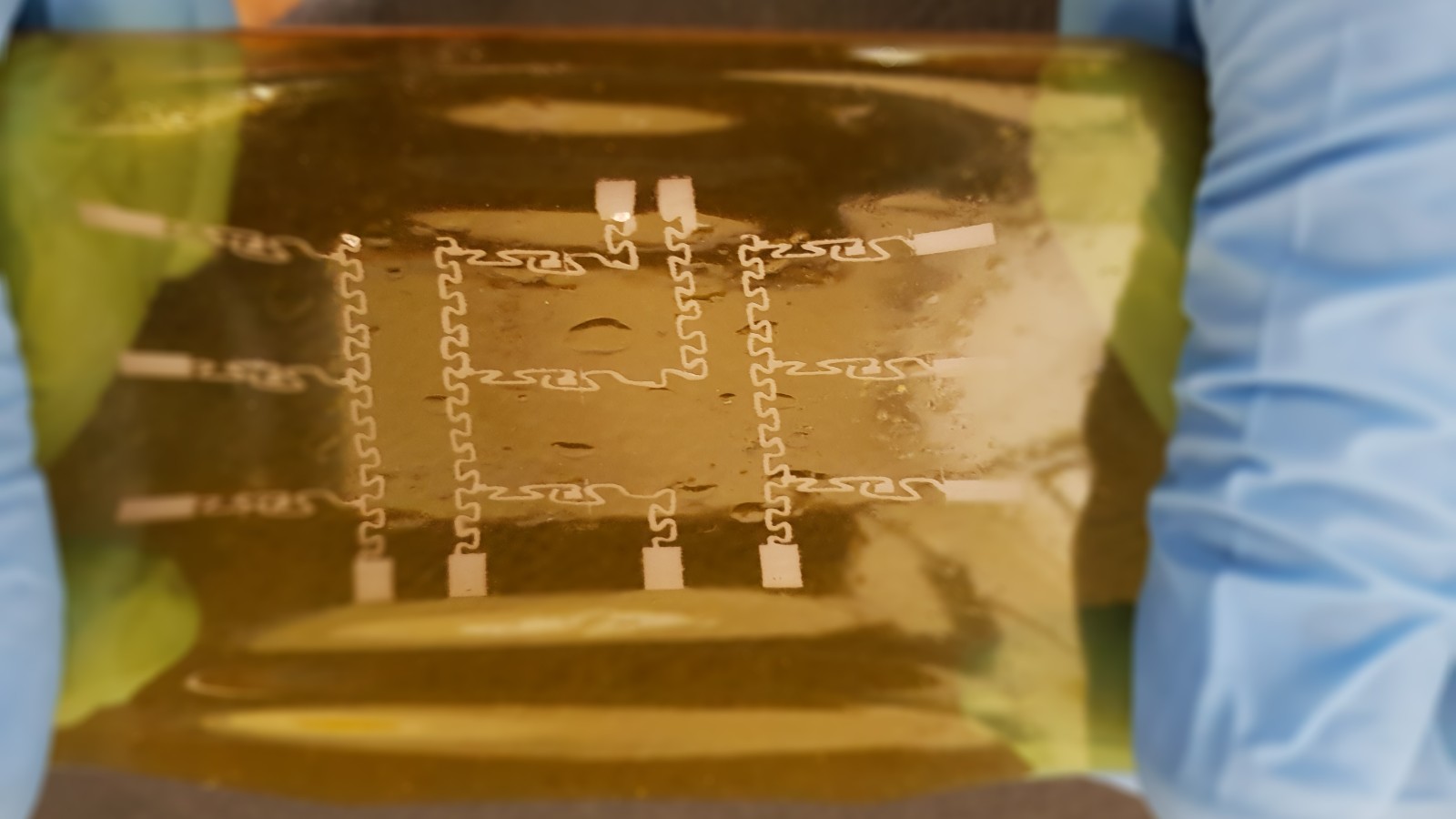
The new polymeric elastic and waterproof and can heal itself, just like human skin does after an injury.

For all sorts of uses from matchmaking to disease detection, your smartphone could soon identify and analyze smells as easily as it takes a photo.
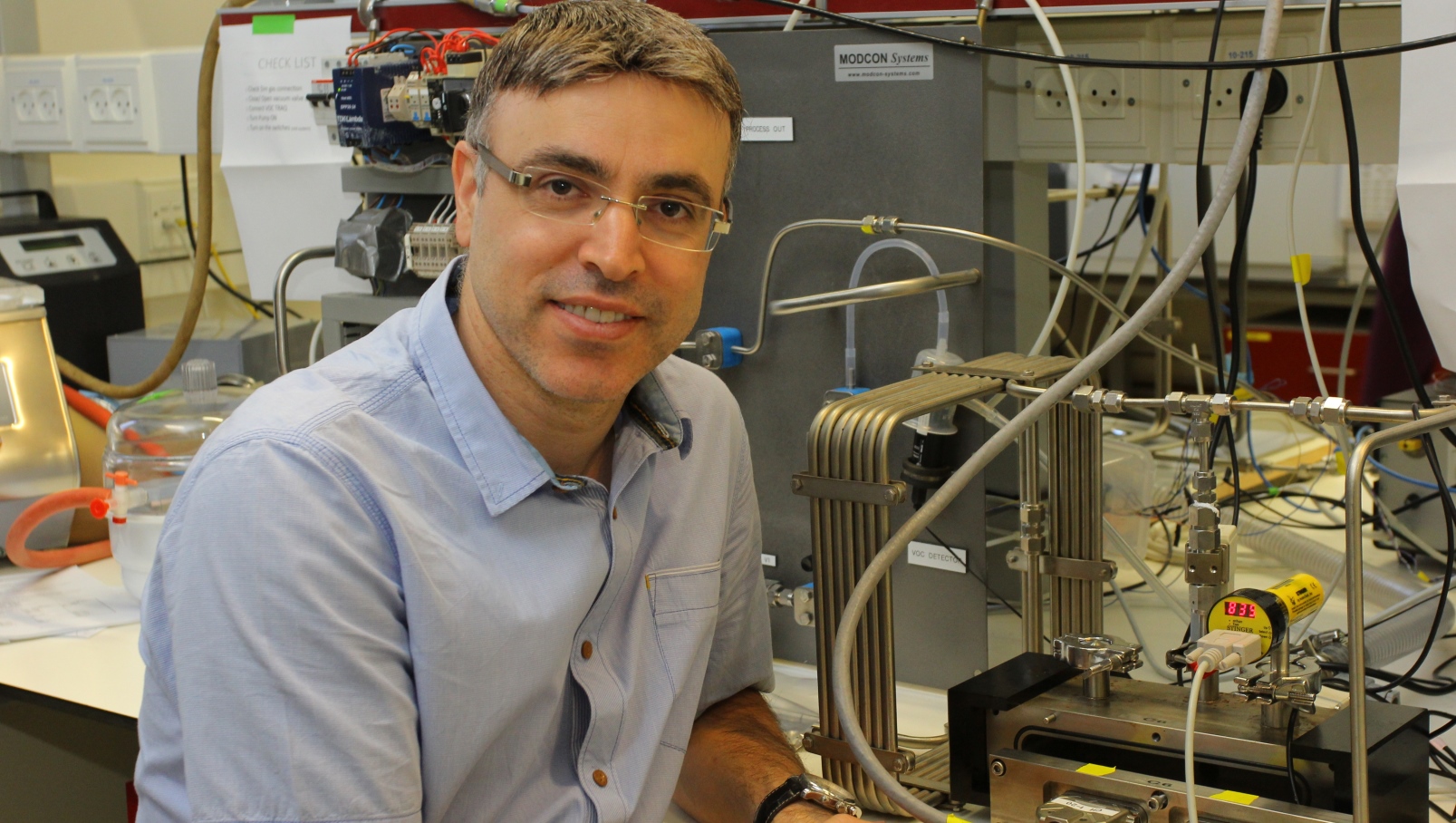
NaNose inventor Prof. Hossam Haick’s latest innovation is a wearable health-monitoring/alerting system made of an extraordinary material.

Researchers say an inexpensive ‘electronic nose’ diagnosed breast cancer with 95% accuracy and may be used for other cancers in the future.
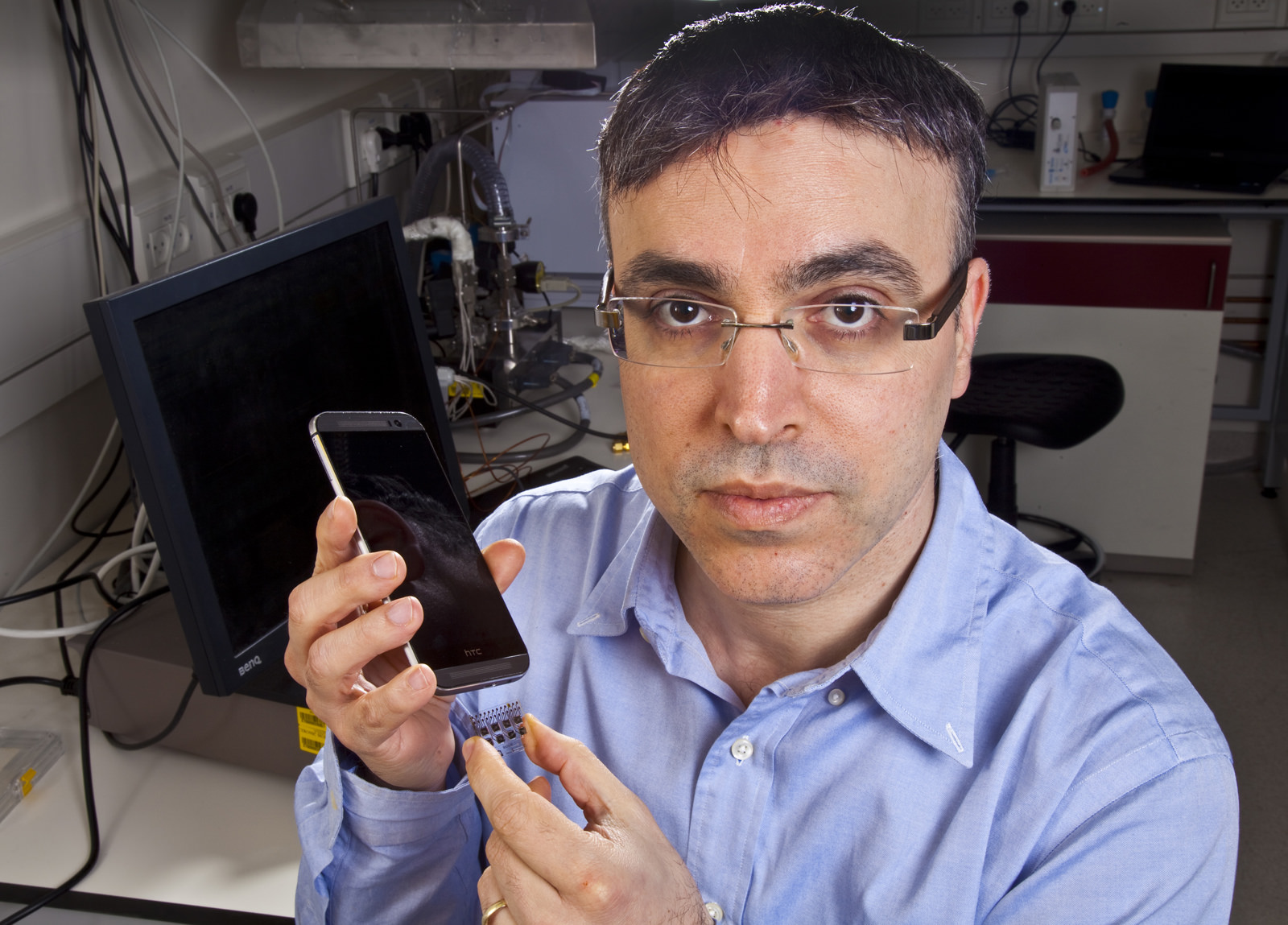
Developed in Israel, the Nanose device analyzes breath in order to detect diseases such as cancer and Parkinson’s, even in their earliest stages.
Meet some remarkable Druze, Muslim and Christian scientists, media experts, techies, film stars and athletes from Israel.

GOOD 100 honors Prof. Hossam Haick for tackling pressing global issues in extraordinary and innovative ways.

Previous Nominet Trust 100 awardees – cited for digital developments from a social perspective — included Google, Bitcoin, Addex and Coursera.
Israeli scientists used a new synthetic polymer to develop a self-healing, flexible sensor that mimics the self-healing properties of human skin.

Israel’s ‘electronic nose’ pioneer shows how nanotechnology can improve and simplify diagnosis of an often deadly cancer.