
Israeli scientists turn skin cells into embryo stem cells
Groundbreaking technique could provide a path toward creating whole human embryos from human skin cells, without the need for sperm or eggs.

Groundbreaking technique could provide a path toward creating whole human embryos from human skin cells, without the need for sperm or eggs.

Hebrew University scientists use novel algorithm to identify 27 molecules with significant potential for pharmaceutical success.
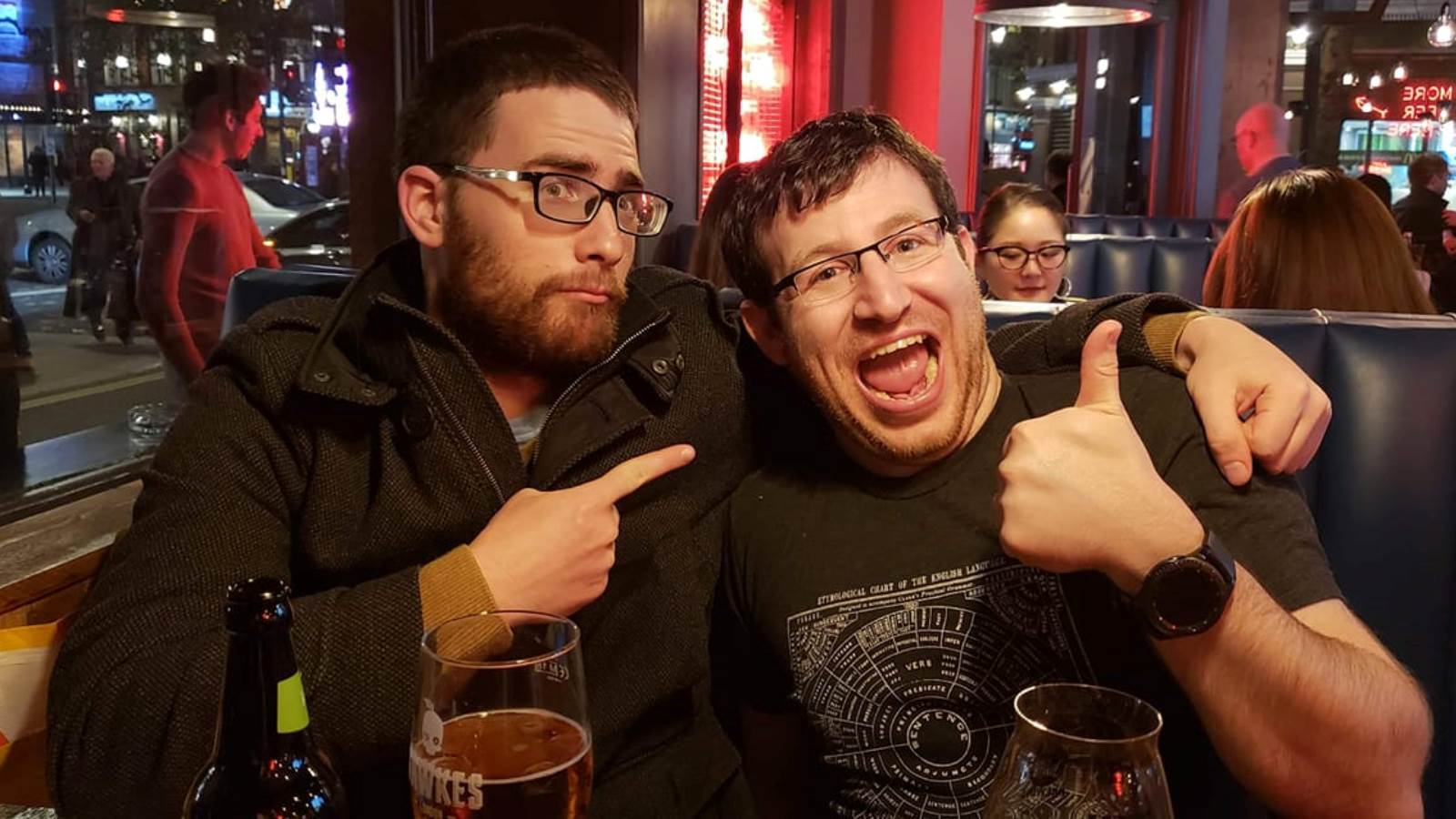
Graduate students Roy Schulman and Elaye Karstadt took first place in the ESL category at the international competition held in Cape Town.

Israeli researcher claims his calculations show scientists have grossly underestimated the effects of air pollution.

Israeli startup Gynica will research and develop its cannabis-based treatment at the newly licensed Lumir Lab on the Hebrew University campus.

Israeli seeds are prized everywhere for growing tomatoes that taste better, last longer, resist disease and pack a stronger nutritional punch.
The new fund will focus on smart materials and nanotechnologies with an emphasis on 3D printing, quantum science and renewable energy.

The two-step process uses lightly heated solvents to extract organic compounds, while simultaneously removing heavy metals with chelating agents.
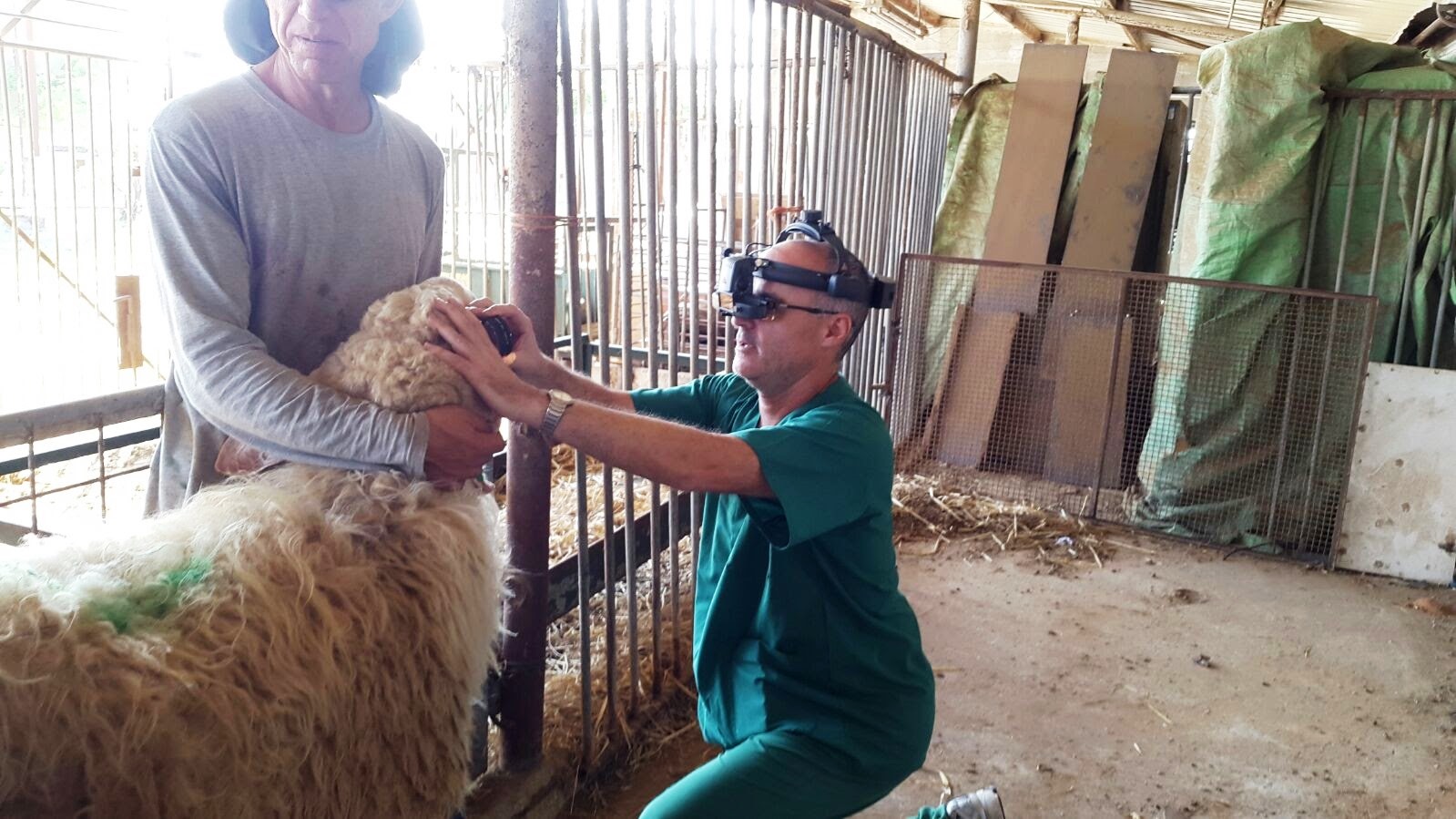
Successful experiments on a herd of sheep six years ago leads to US clinical trials of the treatment to help people suffering from day blindness.

2018-2019 PitchBook Universities Report ranks Tel Aviv University, Technion-Israel Institute of Technology, Hebrew University among top 50 in world.

From a supplement protecting against neurodegeneration, to a study indicating the juice can reduce brain damage in embryos, pomegranate research is peaking in Israel.

Hebrew University drug trials show 50% cure rate in lab mice; BioTheryX buys rights to the drug candidate for further development and testing.
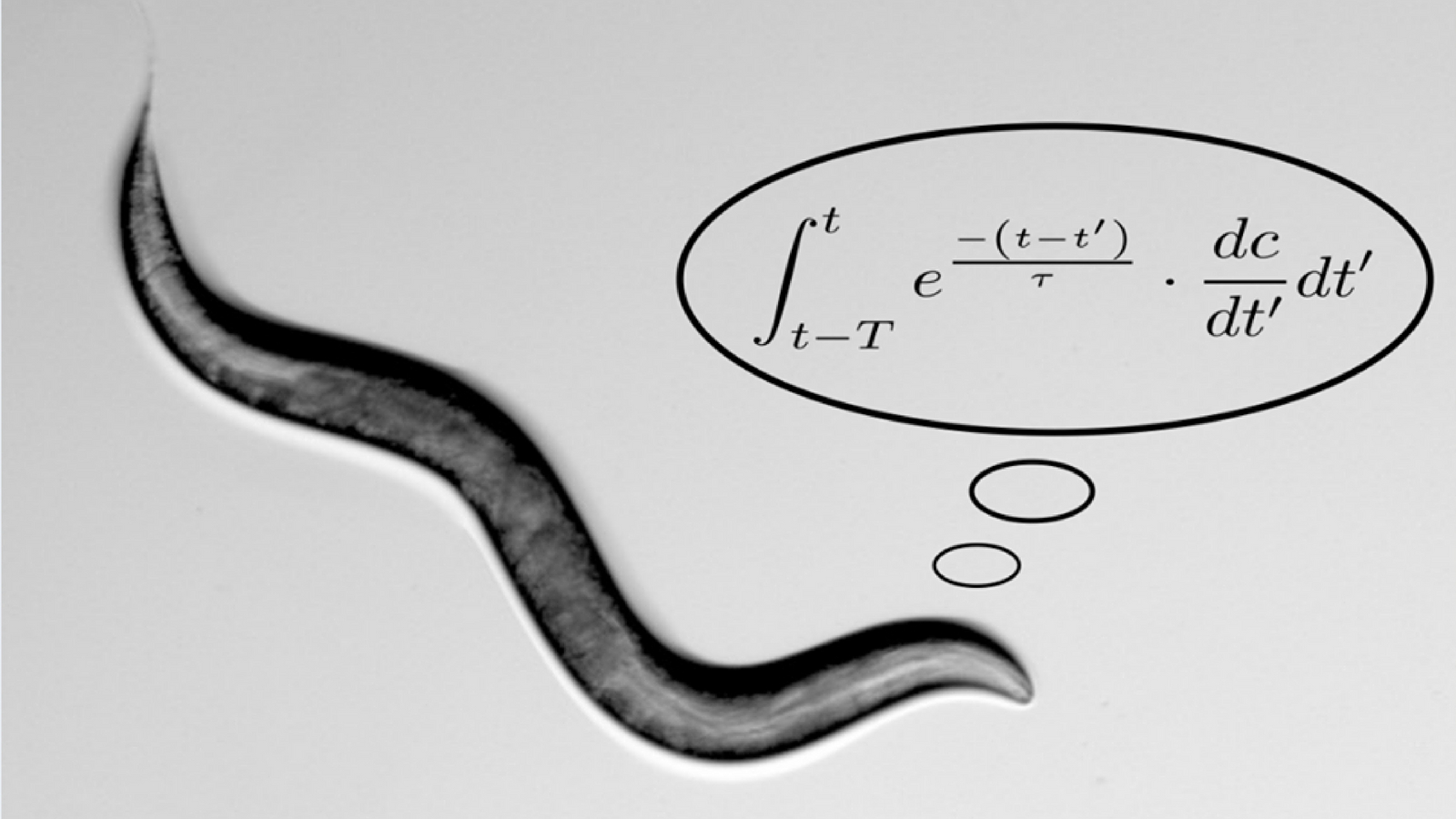
Israeli researchers say humans could learn from the way worms constantly compute new data to see if they’re on the right track to treats.
‘It is a book that changes how you see the world and our adaptation should do the same, to serve as a wake-up call for who we are,’ says director.

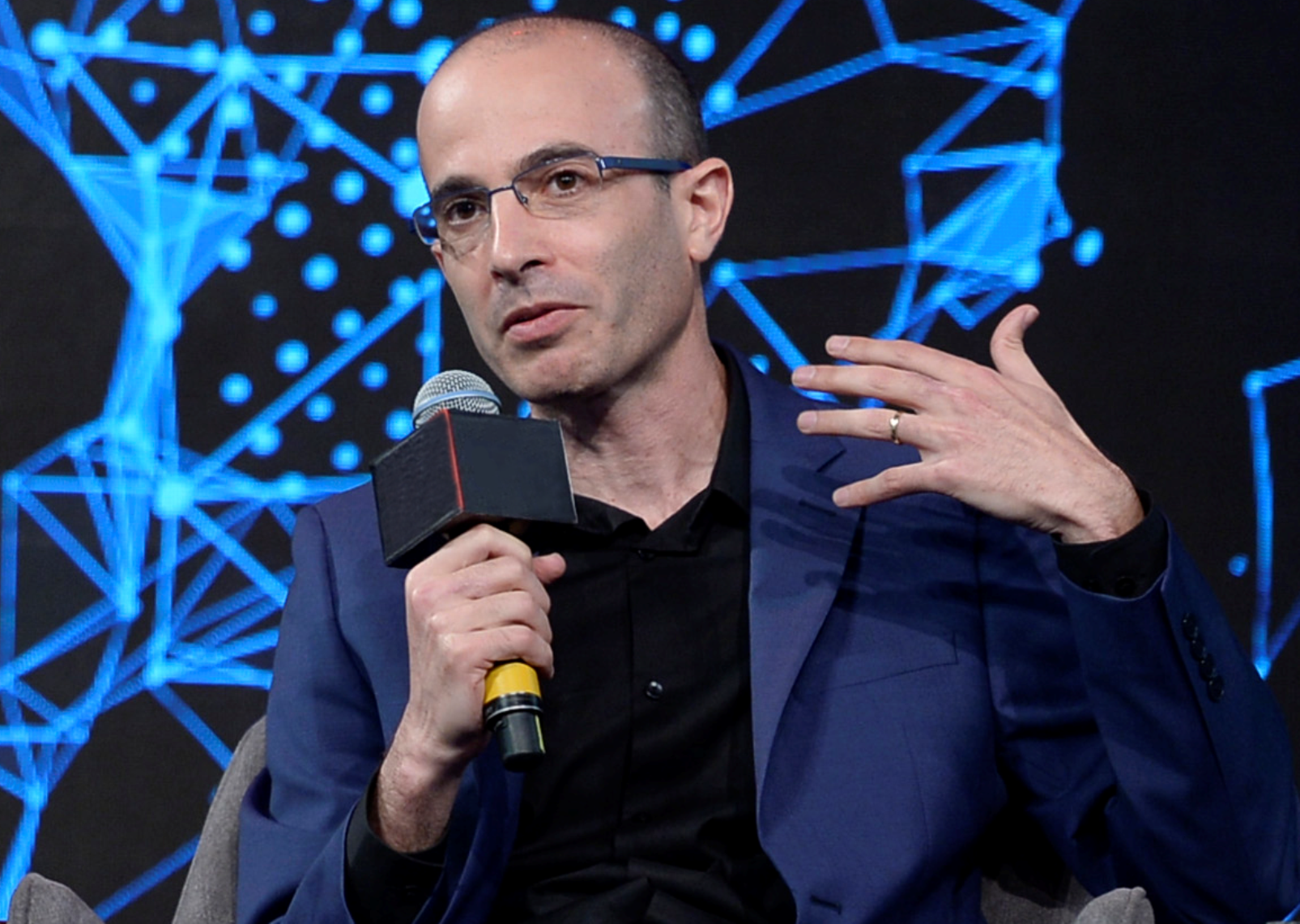
Artificial intelligence can surpass the human brain but can’t develop a mind to solve problems together with the brain, says Prof. Yuval Noah Harari.