
Acutely ill patients do better with hospital-at-home care
Major first-of-its-kind study shows that telemedicine managed, physician-supervised home care leads to shorter treatment and lower risk of death.

Major first-of-its-kind study shows that telemedicine managed, physician-supervised home care leads to shorter treatment and lower risk of death.

Lensy envisions that within a few years, the optometrist will check your vision, press a button and hand you a perfect pair of custom contact lenses.

Unique database of medical, behavioral and genetic data can help identify best diagnosis and treatment approaches for people on the spectrum.

Natural killer cells, essential for fighting cancer, often malfunction due to exhaustion. A promising new technique could rejuvenate them.

Sheba Medical Center scientists develop algorithm that predicts likelihood of a newly admitted patient suffering a potentially life-threatening PE.

Big pharma giant shells out $1.7 billion for Israeli company V-Wave, and expects to earn enough to purchase a gumball — in the short term, at least.

Regional Medicare contractors in 13 states approve reimbursement for a clinically validated virtual reality training intervention from GaitBetter.
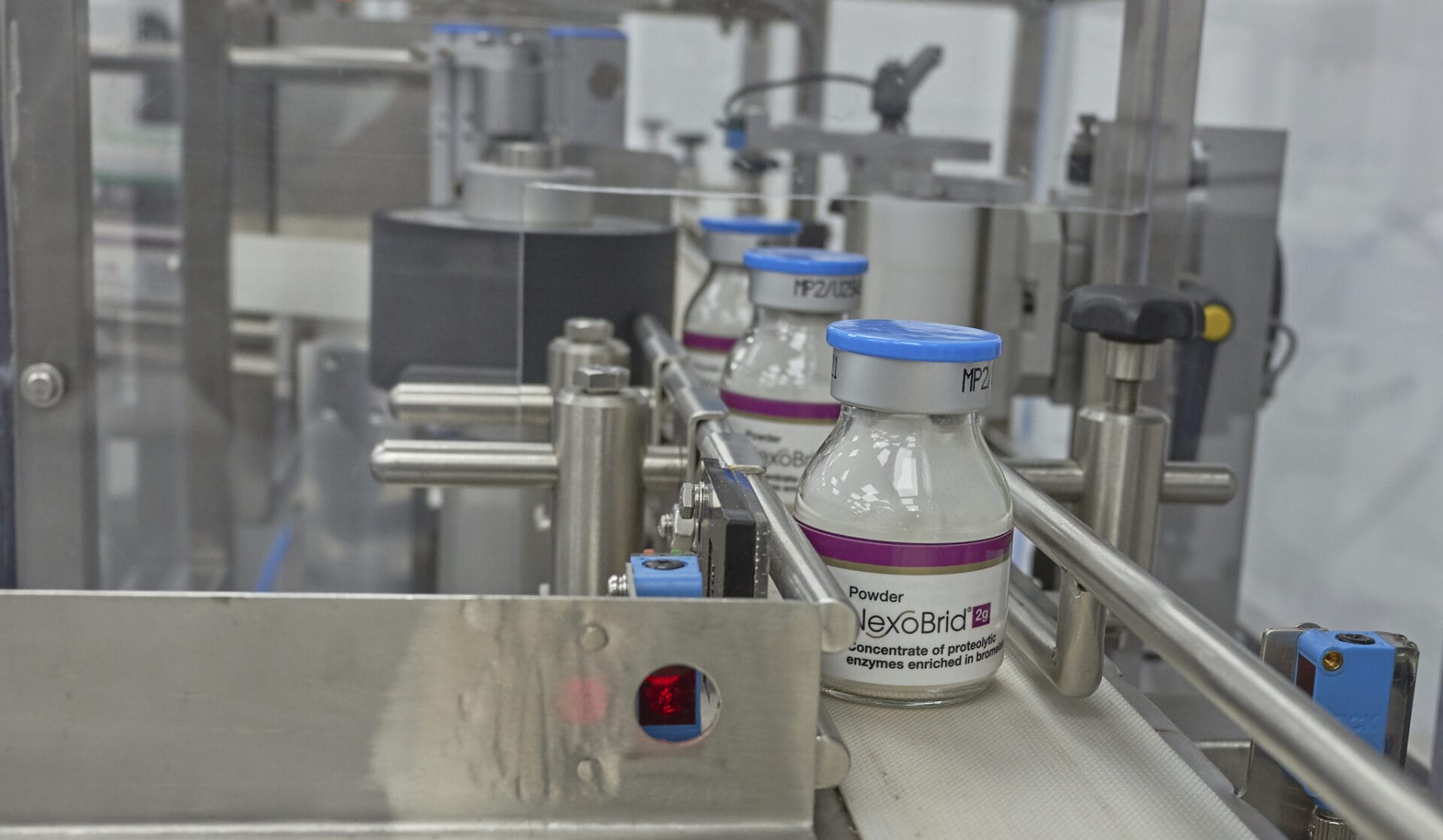
The October 7 attacks unintentionally made MediWound the primary burn treatment in Israel. Now, the company plans to tackle diabetic foot ulcers.

At least 10 Israeli hospitals have invested heavily in subterranean spaces to ensure safe, consistent patient care no matter what.

Ziv Medical Center’s Druze director describes plans such as beefing up supply inventory and conducting training sessions for the multicultural staff.

Uncertainty and anxiety are rocketing in Israel as the country braces for Iranian and Hezbollah retaliation, but uncertainty is a problem worldwide. There are many ways to cope.

Researchers found significant disparities between male and female patients, even those who reported identical levels of pain.

Israeli scientists propose nonsurgical way to check body’s level of visceral adipose tissue inflammation as a risk factor for cardiometabolic disease.

RespirAI has developed an AI algorithm that utilizes sensor data from smartwatches or other wearable devices used to monitor chronic patients.

Blink Energy’s tiny device, fitted to one eyelid, monitors and analyzes blink patterns to detect or diagnose a wealth of health conditions.