
Blind prawns saved from extinction at Jerusalem’s Biblical Zoo
Seems odd to find shrimp at the Jerusalem zoo, but these critically endangered shellfish are part of a breeding program to save them from extinction.

Seems odd to find shrimp at the Jerusalem zoo, but these critically endangered shellfish are part of a breeding program to save them from extinction.

Since 1948, Israel has set itself a task of finding creative solutions to the world’s most pressing problems. To celebrate Israel’s 65th birthday, ISRAEL21c looks at some of the best achievements.
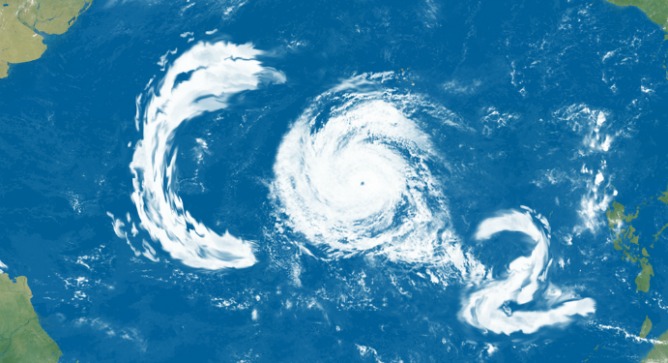
An Israeli atmospheric scientist shows how to measure pollution with data from weather satellites.
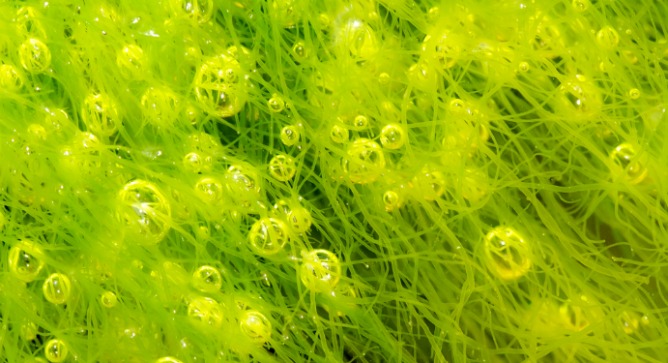
Israeli scientists find novel approaches to tap into the potential of this slimy plantlike organism for fuel, nutrition and innovative medical therapies.
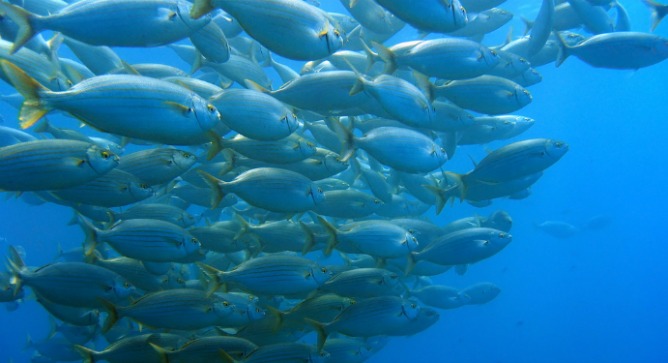
A new national center for marine research will be a source of vital info for Israel and its fellow Mediterranean basin countries.

An Israeli research team discovers a mechanism whereby even tiny seemingly insignificant chemical changes in a creature can affect the ecology of the earth.

Once a barren strip of desert, the Arava now has 600 farms supplying more than 60% of Israel’s exports of fresh vegetables and 10% of ornamentals.
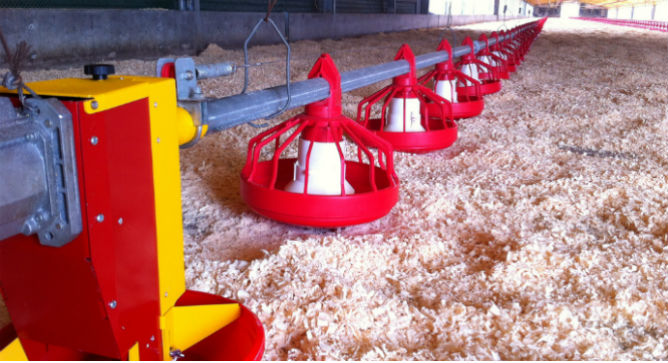
Israel’s Metabolic Robots helps chicken and pig farmers cut the price of expensive grain while improving the animals’ welfare.

An Israeli evolutionary biologist finds hard evidence of global warming in the changes he’s found in wheat and barley plants.

Visitors from 115 countries are expected at Agritech Israel in mid-May. Now in its 18th year, the show is the go-to event for all the latest innovations in the industry.

As demand for dairy products in China increases rapidly, Chinese dairies turn to Israel for farm management technology and training.
New Israeli research demonstrates that plants can ‘eavesdrop’ on their neighbors through their roots, helping them to anticipate and prepare for dangers such as drought.
A joint American-Israeli research project demonstrates for the first time how tiny particles of pollution dangerously affect the clouds.

Israeli researcher Avi Domb’s kit, sent aboard the space station Atlantis, shows how a polymer can cut into bacteria and neutralize it.
Research carried out in Israel suggests that bees prefer nectar that contains caffeine and nicotine.