
How Israel reduced dropout rates among Druze teens
The matriculation rate across Israel’s Druze sector rose from 52% to 73% since Yeholot introduced an accelerated learning program for underachievers.

The matriculation rate across Israel’s Druze sector rose from 52% to 73% since Yeholot introduced an accelerated learning program for underachievers.
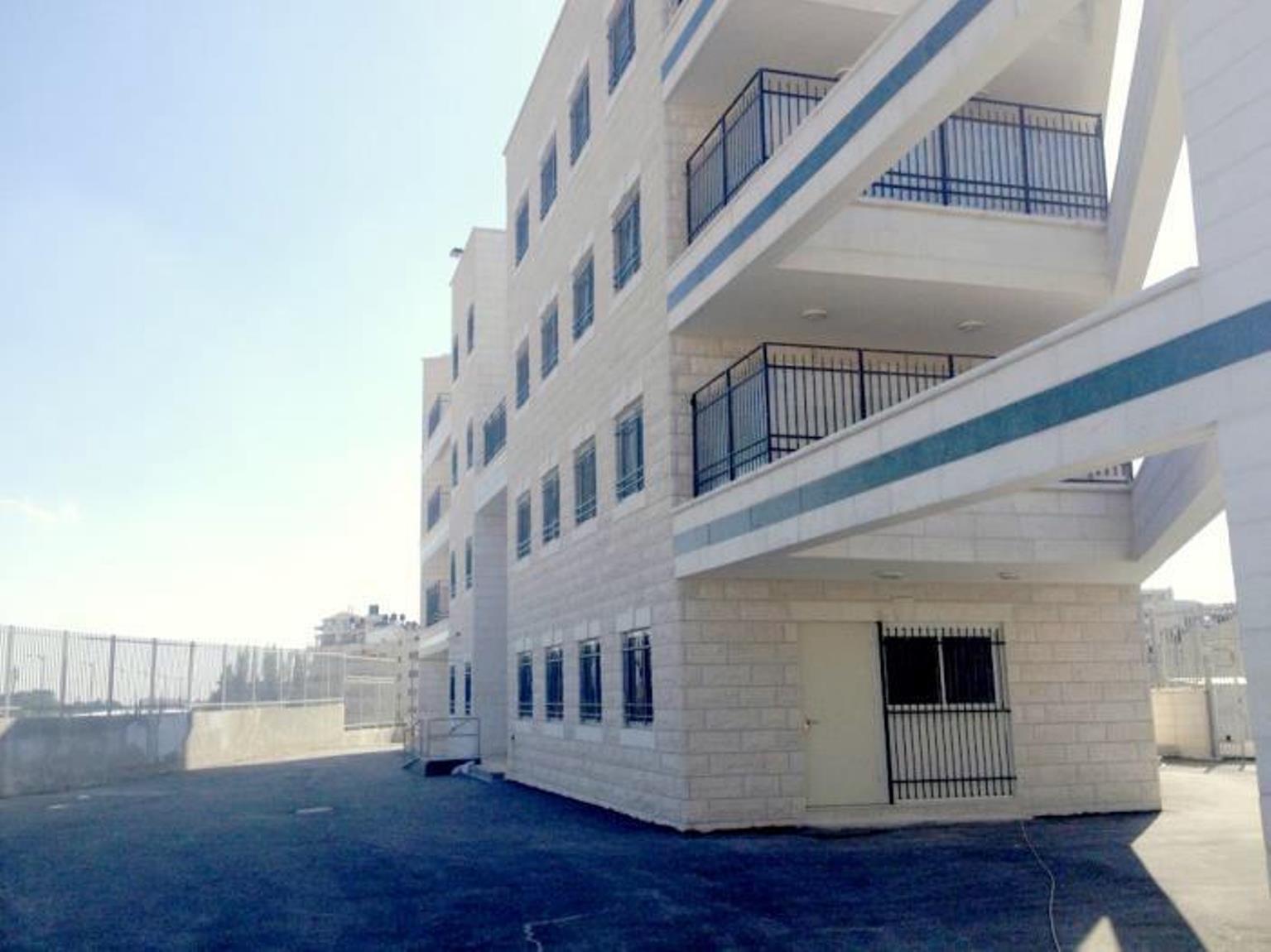
Mayor Barkat: ‘This is another step in closing gaps and promoting the quality of education in the Arab sector of Jerusalem.’

BGU’s Faculty of Health Sciences initiates INNOVATE2EDUCATE hackathon to begin development of new teaching methods.

It’s never too early to teach children about robotics, astronomy, computers and outer space.

Bouncy chairs, distraction-free décor, walled-off workstations, desks on wheels and a living green wall provide a winning educational environment.
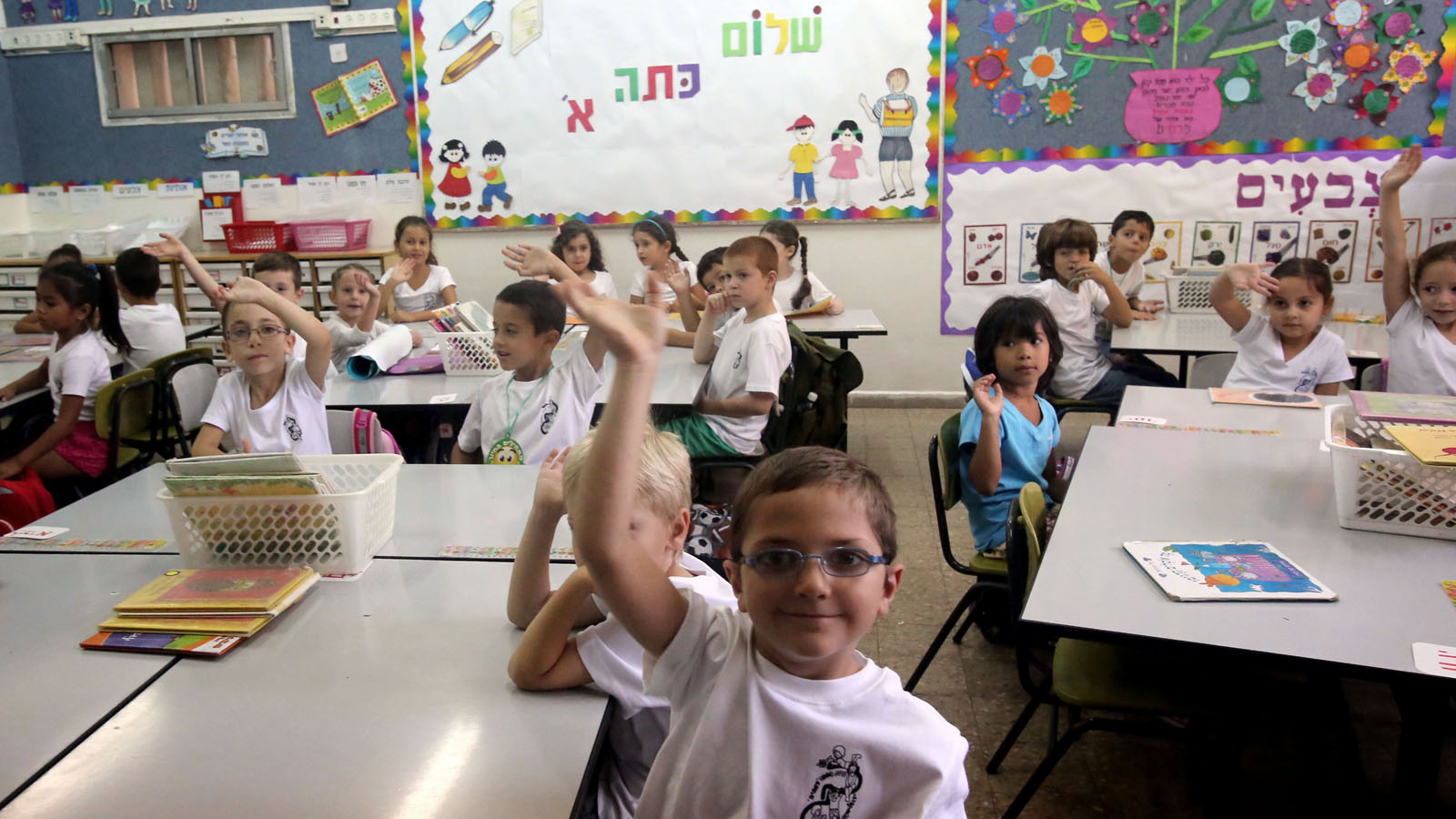
Shimon Peres fronts new national education plan to strengthen study of mathematics.

Israeli-German bionic liver-on-chip device, designed to end animal testing, reveals groundbreaking information about a common pain reliever.
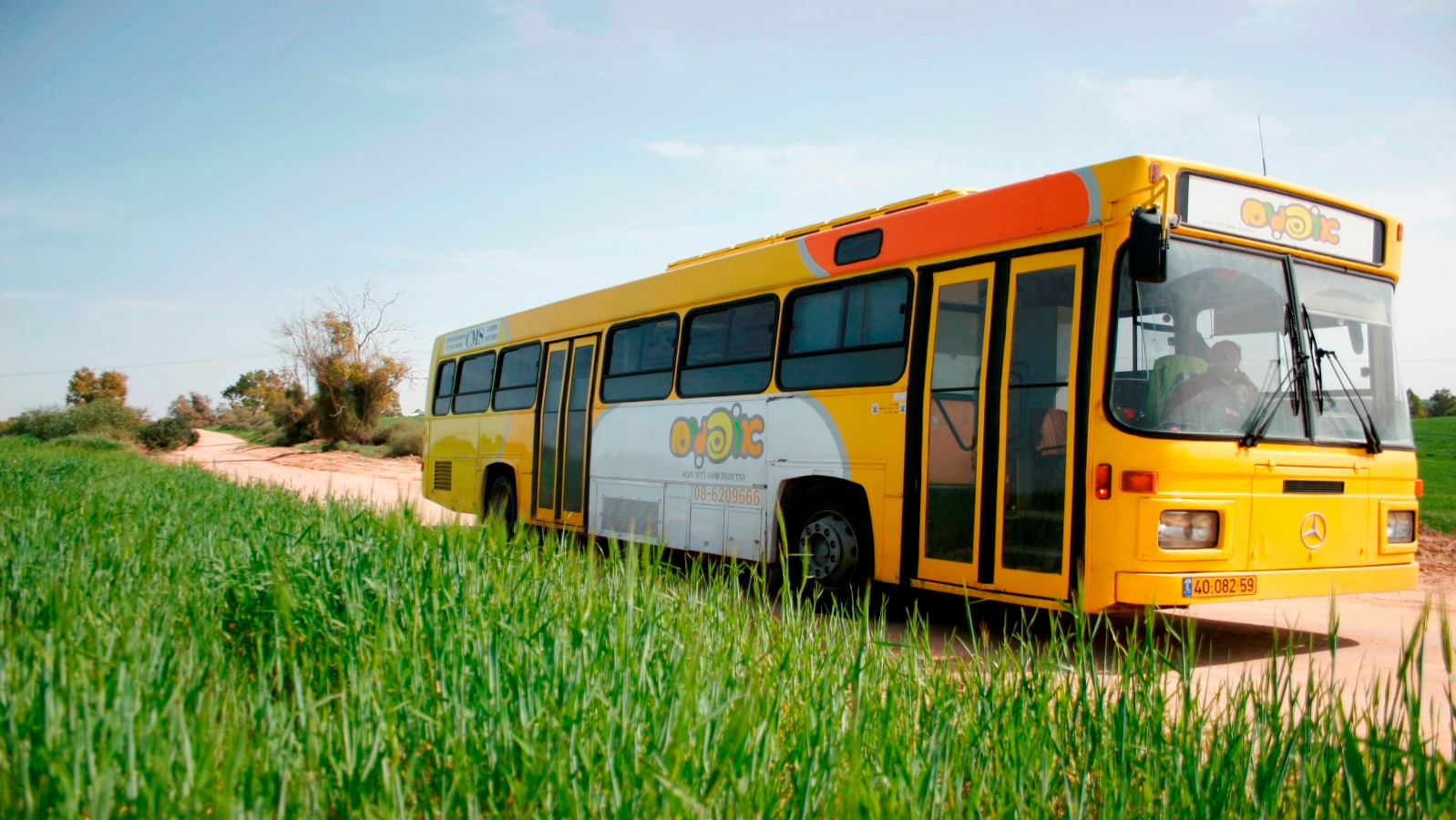
Ofanim’s yellow buses bring fully equipped learning labs to Israel’s periphery to give children better opportunities for higher education.
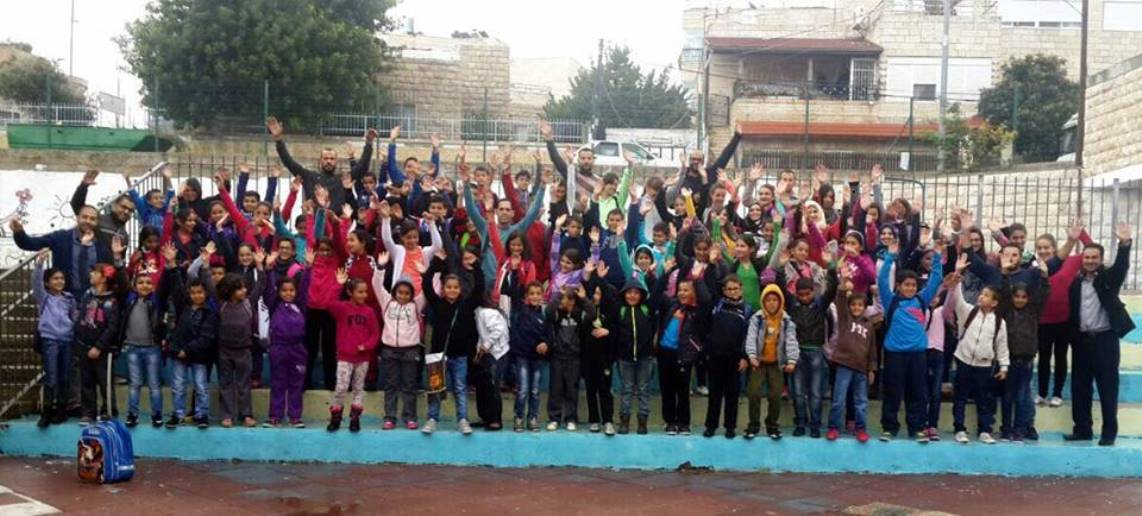
Since 2002, Bakehila (In the Community) has helped more than 25,000 poor Jerusalem residents to be self-sustaining contributors to their communities.

IBM and partners use Israeli technology to transform personal health with Watson and open cloud.

World-record breaking magic lesson highlights the significant coexistence work of Beit HaGefen Arab-Jewish Cultural Center in Haifa.
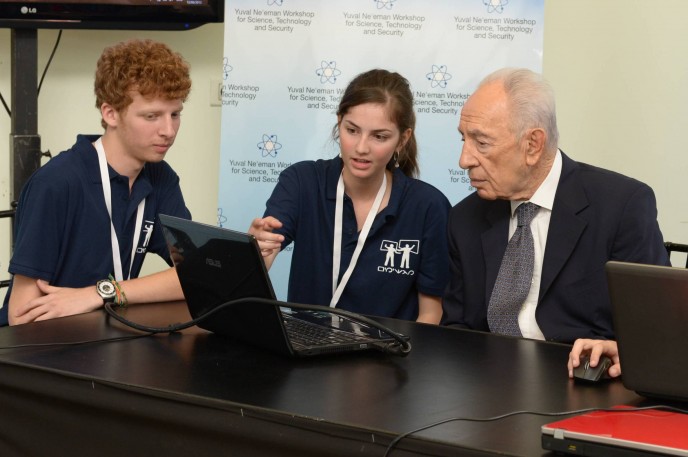
Social-action program identifies gifted students from periphery towns and trains them to fill an increasing demand for cyber-tech professionals.

Michael Matias, 19, developed AnyMeal and founded HackGenY, a coding competition that has taken place in California, Jamaica and soon Israel and India.

The Salad Trail in the Negev encourages visitors to get a feel for the land and its produce.
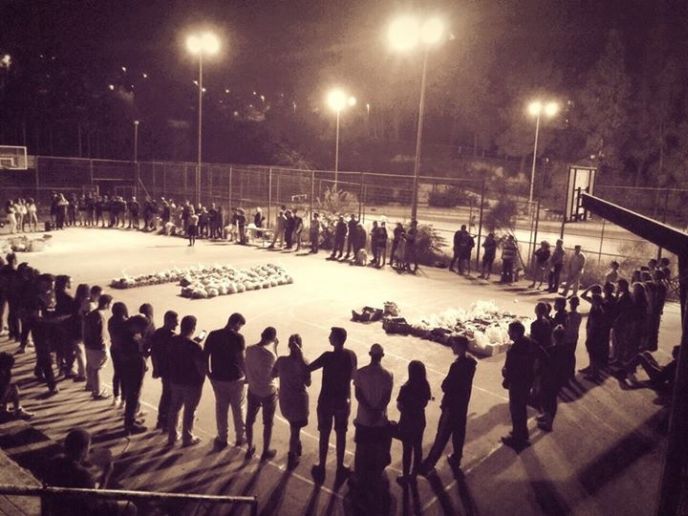
An Israeli organization empowers youth at risk by teaching them how to identify and fill needs discreetly in their own communities.