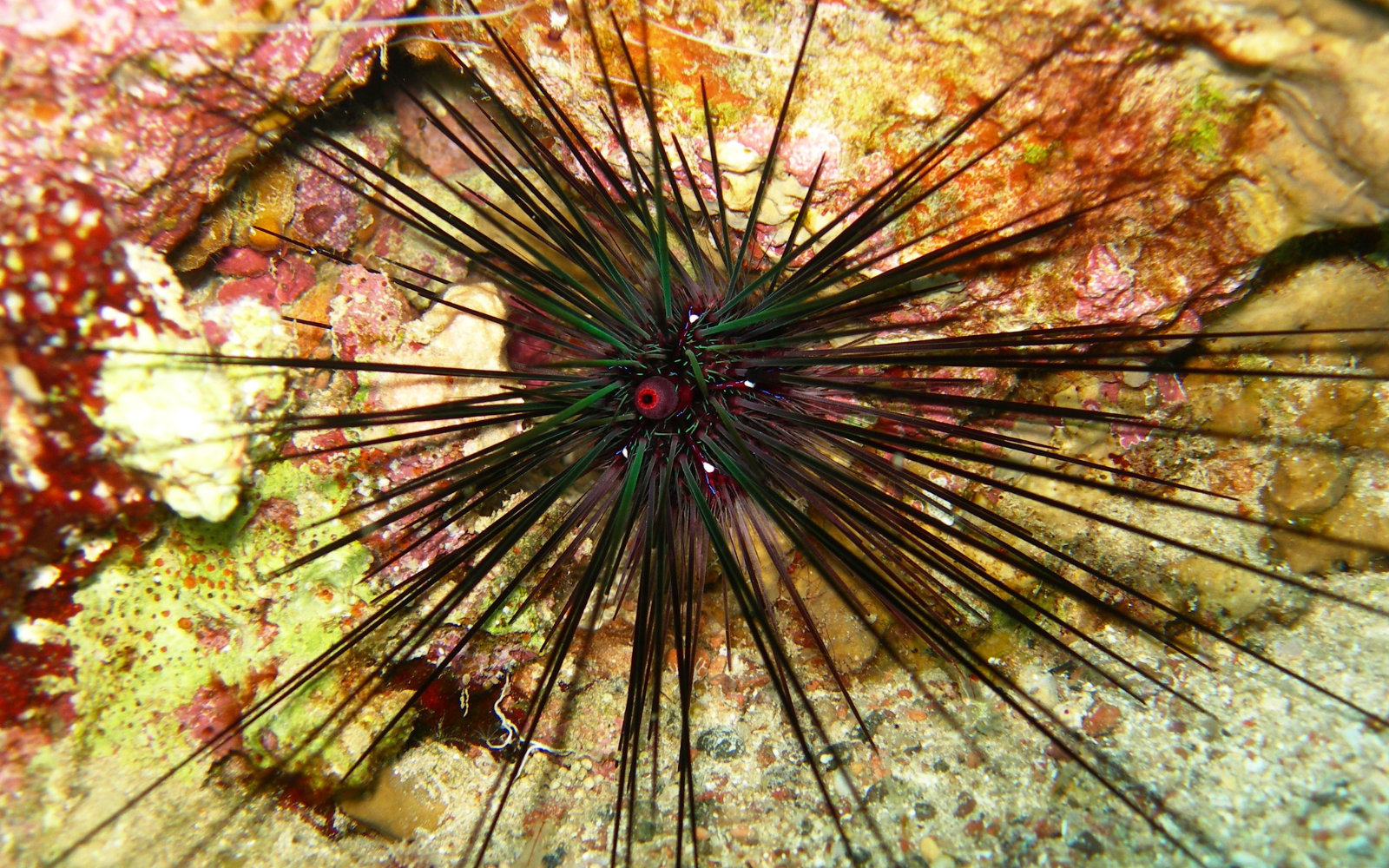
Scientists ask citizens to find threatened Med sea urchins
The porcupine urchin is simultaneously a threat to the Mediterranean and a vital part of the Gulf of Eilat’s marine ecosystem.

The porcupine urchin is simultaneously a threat to the Mediterranean and a vital part of the Gulf of Eilat’s marine ecosystem.

Study offers a sustainable method of coral restoration and an invaluable tool to help address the ongoing global coral crisis.

In study, 96 out of 96 sampled reefs contained traces of pharmaceuticals ranging from laxatives to antidepressants.
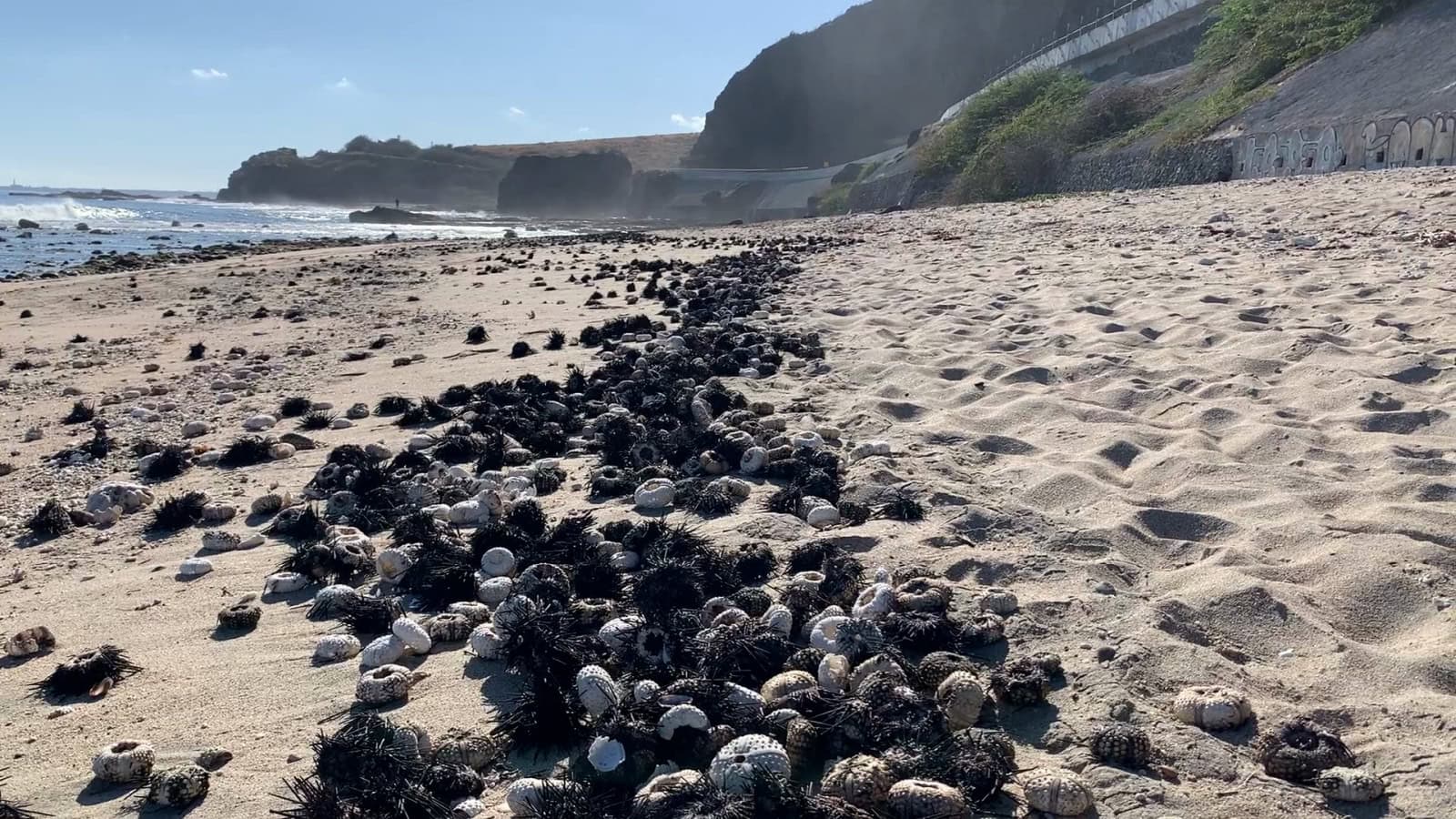
Tel Aviv University researchers have identified the pathogen behind sea urchin mass mortalities threatening the world.

Researchers are studying the Red Sea’s resilient reefs to develop innovative conservation strategies for coral reefs worldwide.

Red Sea coral expert explains that the two pollutants are likely to influence reef health, coral settlement and fish behavior.

Scientists call for urgent action to preserve existing populations as epidemic decimates Eilat’s black sea urchin population in two months.

Researchers from four Israeli universities say their method can be adapted to restore destroyed coral ecosystems around the world.

Even a one degree Celsius drop in water temperature in the Red Sea could be enough to bleach the sea’s unique coral ecosystem.
A diver explains why artificial reefs are needed to create new habitats and preserve magnificent natural coral reefs off the coast of Eilat.
A massive oil spill of one million barrels is anticipated off the coast of Yemen, as the Safer floating storage and offloading unit begins to leak.
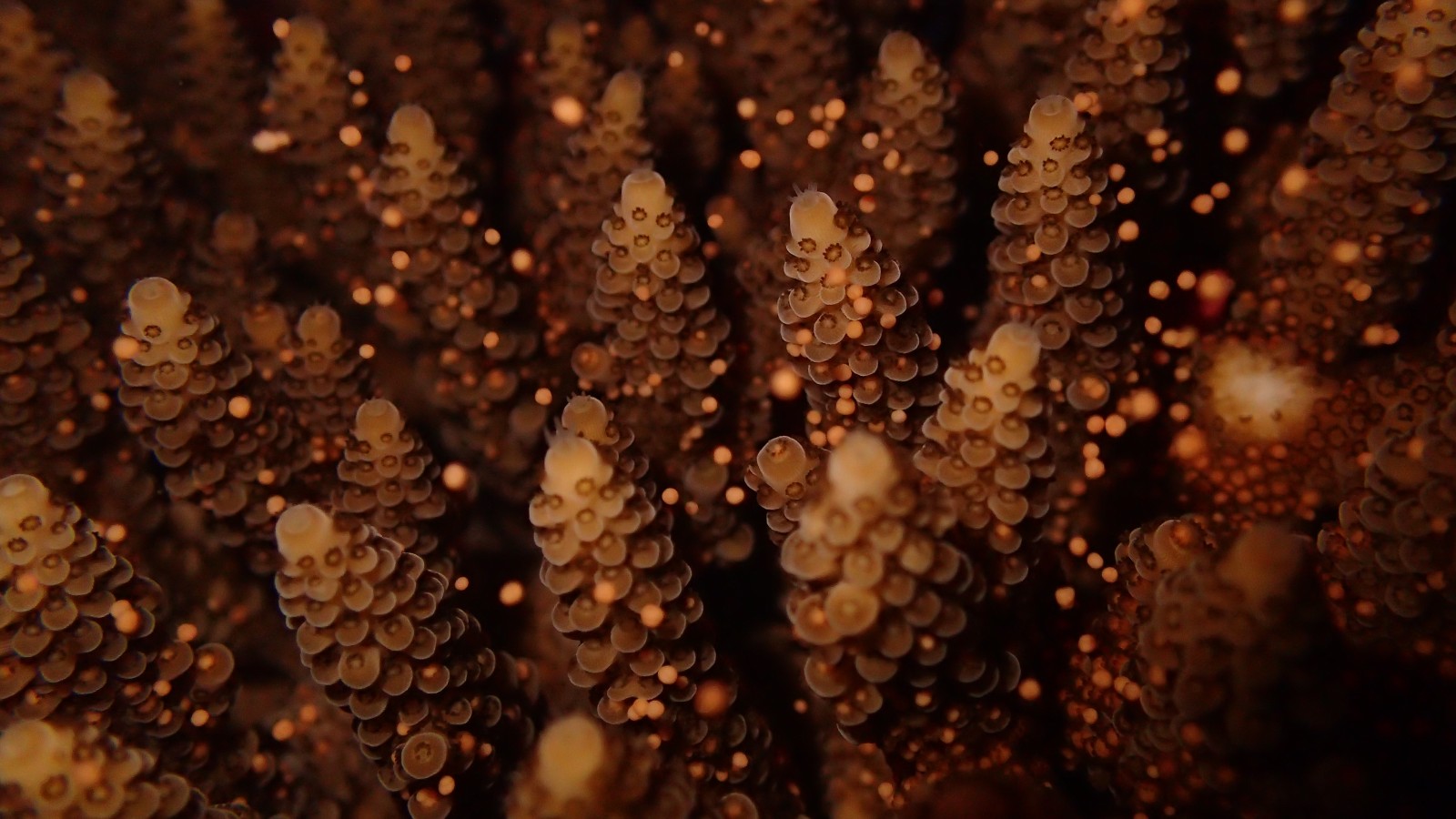
Researchers say artificial light further harms coral reefs already endangered by a variety of environmental threats.

Researchers from Israel, Egypt, Jordan and Saudi Arabia ask UNESCO to declare Red Sea’s reef as a Marine World Heritage Site while recommending additional measures critical for its survival.
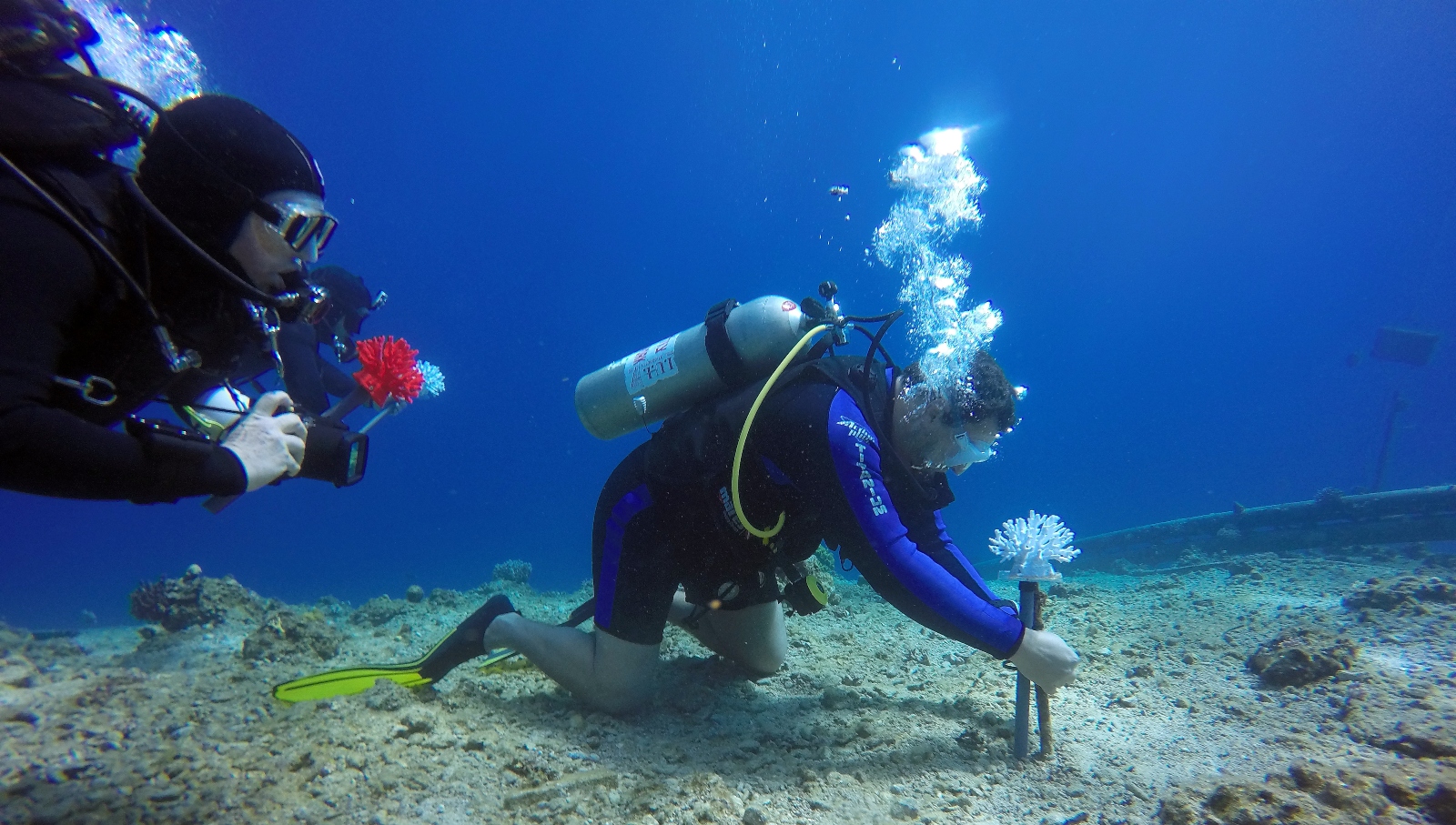
The printed reefs are made from sustainable bioplastics in a variety of materials, colors, sizes and forms. Turns out, fish really like color.

Synchronized coral spawning has become erratic, putting in doubt the long-term survival of coral species, Israeli researchers say.