Lowering blood sugar can slow brain aging
Israeli researchers discover that better glycemic control can improve overall health of the brain and slow age-related atrophy.

Israeli researchers discover that better glycemic control can improve overall health of the brain and slow age-related atrophy.

Understanding the role of specific brain cells in regulating the urge for opioids offers a new avenue for interventions aimed at curbing addiction.

Israeli paper reviews the effect of different physical exercises on brain plasticity and the process of nerve cell formation.
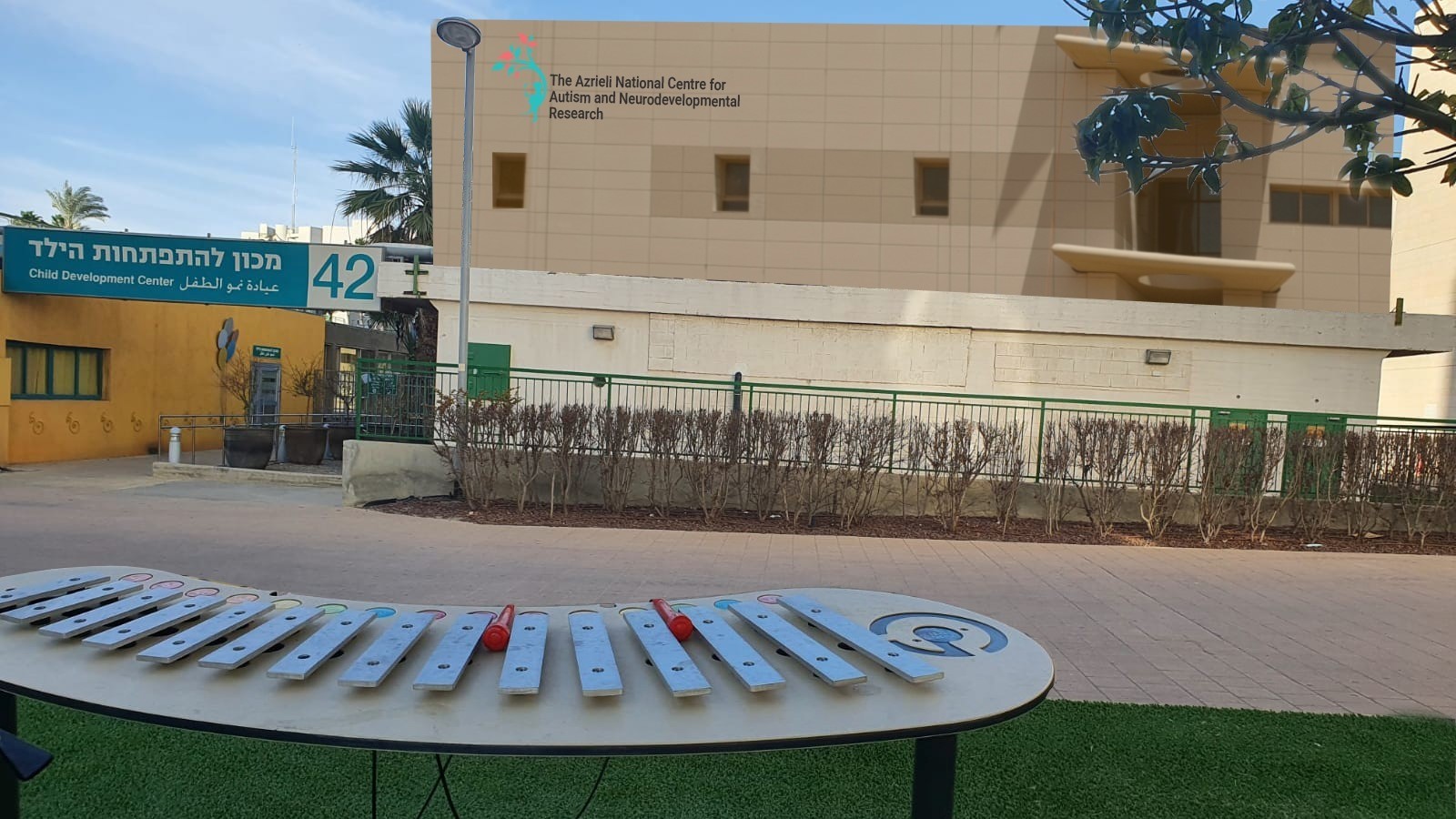
Azrieli Foundation gives $50m for brain science institute at Weizmann Institute; $13m toward expansion of autism center at Ben-Gurion University and Soroka University Medical Center.

‘We have this primal mechanism that means when the brain gets information that links self to death, something tells us we shouldn’t believe it.’

Israeli physicists publish revolutionary evidence contradicting accepted neuroscience, opening new horizons for advanced deep-learning algorithms.
Physics and biology meet in a new model of brain development pioneered in an Israeli lab.
The human brain’s ability to limit the quantity of data it can receive and recall may be a valuable model for improving artificial intelligence.

Israeli scientists show that weakening communication between two parts of the brain in mice reduced their fear levels.

Ben-Gurion University of the Negev researcher says results should lead to practical changes in treatment strategy.

Blue Brain Project simulation reveals novel insights into how the brain works and could help scientists develop new treatments for brain disorders.

Israeli research could advance understanding of postpartum depression, aggression and autism spectrum disorders.