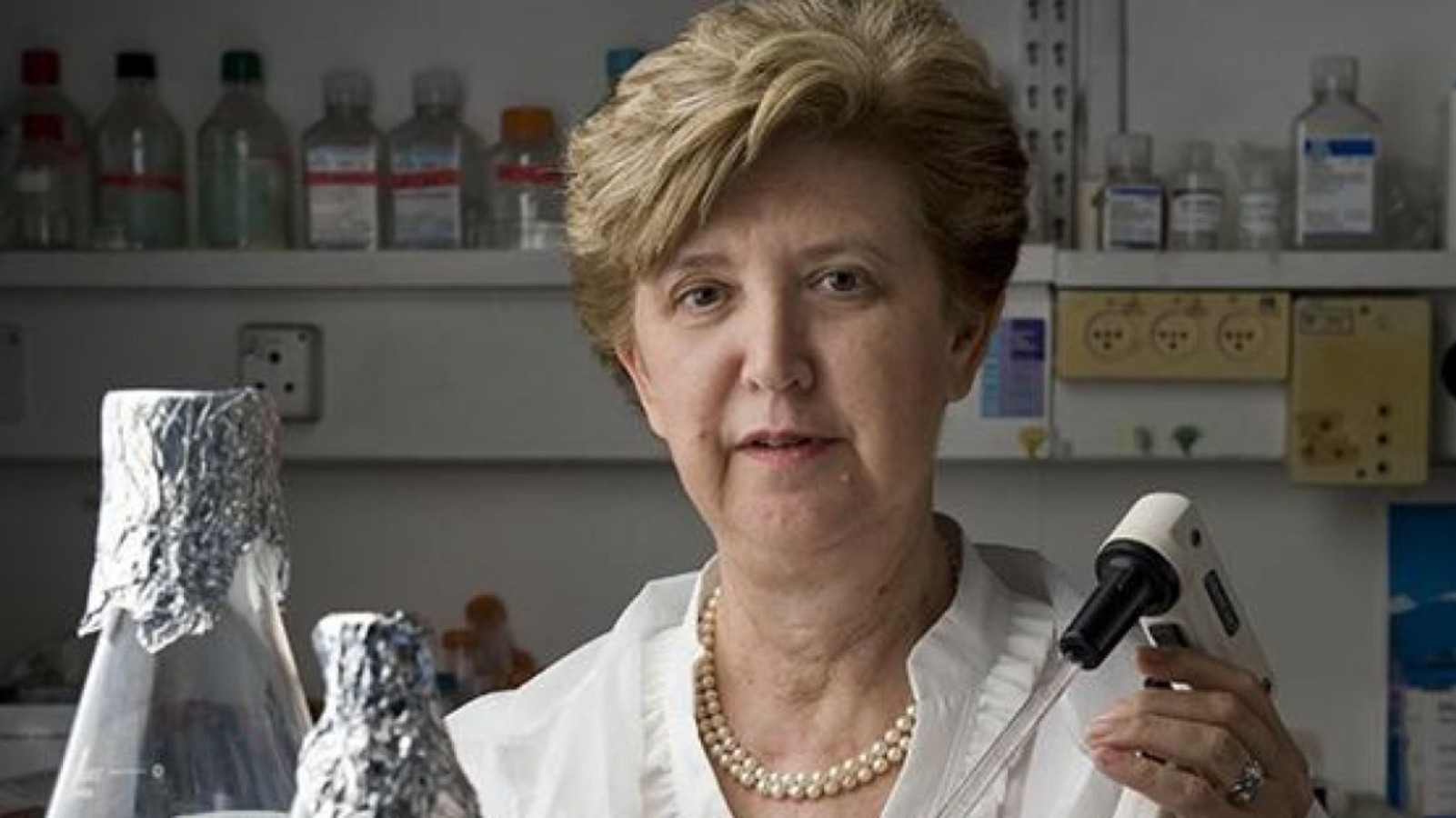
Experimental Alzheimer’s drug may help kids with autism
NAP, developed in Israel, has proven effective in treating a mouse model of ADNP syndrome, a common genetic syndrome on the autism spectrum.

NAP, developed in Israel, has proven effective in treating a mouse model of ADNP syndrome, a common genetic syndrome on the autism spectrum.

Israel-developed GranaGard is proving in study after study to have remarkable antioxidative effects on cell health for people with MS, Alzheimer’s and even aging.

Israeli-born Harvard professor’s investigational therapy suppresses immune system’s overproduction of proteins that trigger inflammation.
Israeli study shows patients treated for bladder cancer with TB vaccine had lower prevalence of Alzheimer’s; research is continuing.

Israelis researchers find significant overlap between Alzheimer’s-related mutations and those producing certain intellectual disabilities.

For Alzheimer’s Awareness Month, ISRAEL21c looks at new advances from Israel that are making headlines.
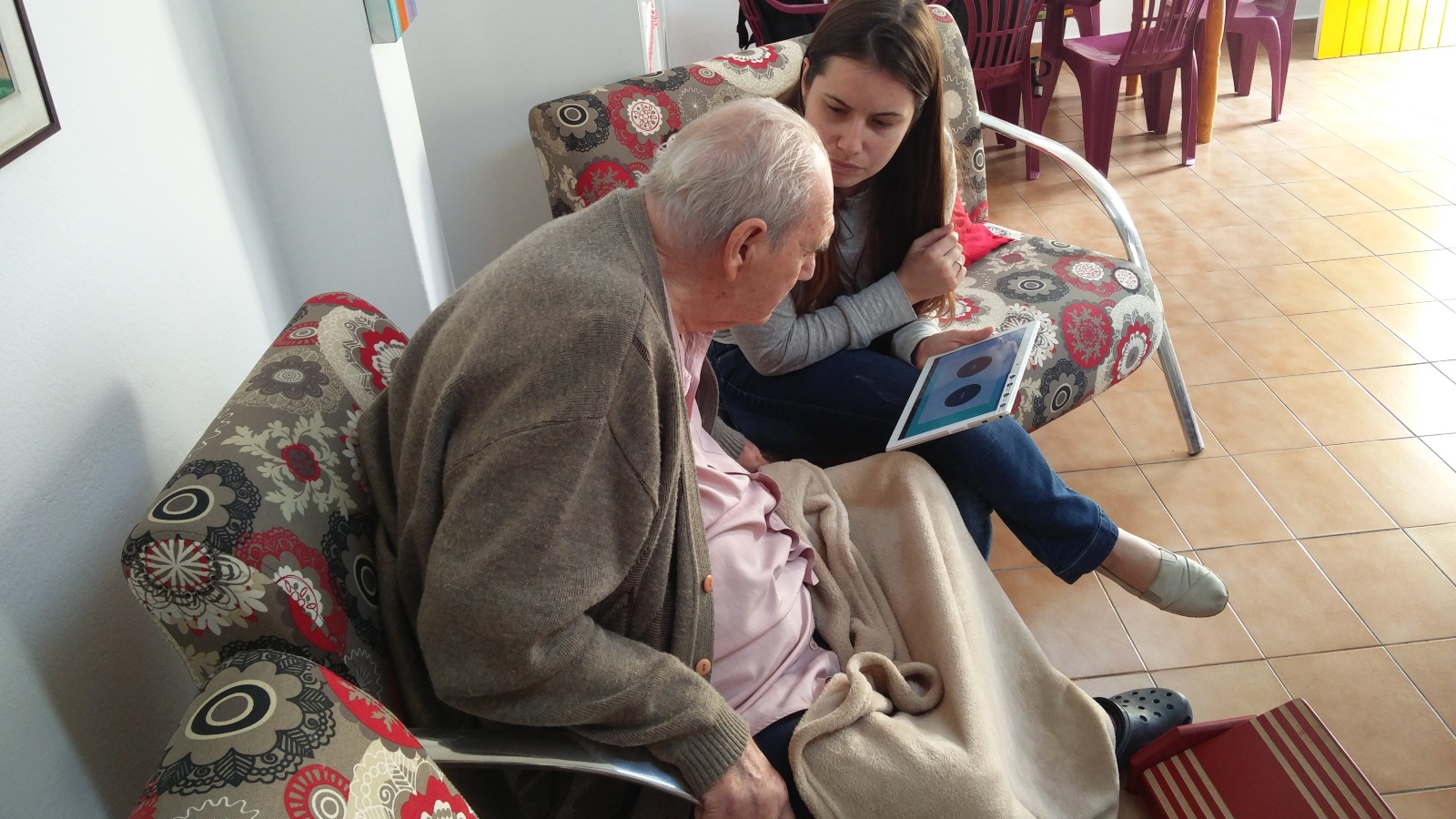
‘Clara,’ still in testing stages, works on a new understanding that Alzheimer’s affects the brain’s orientation system before affecting memory.
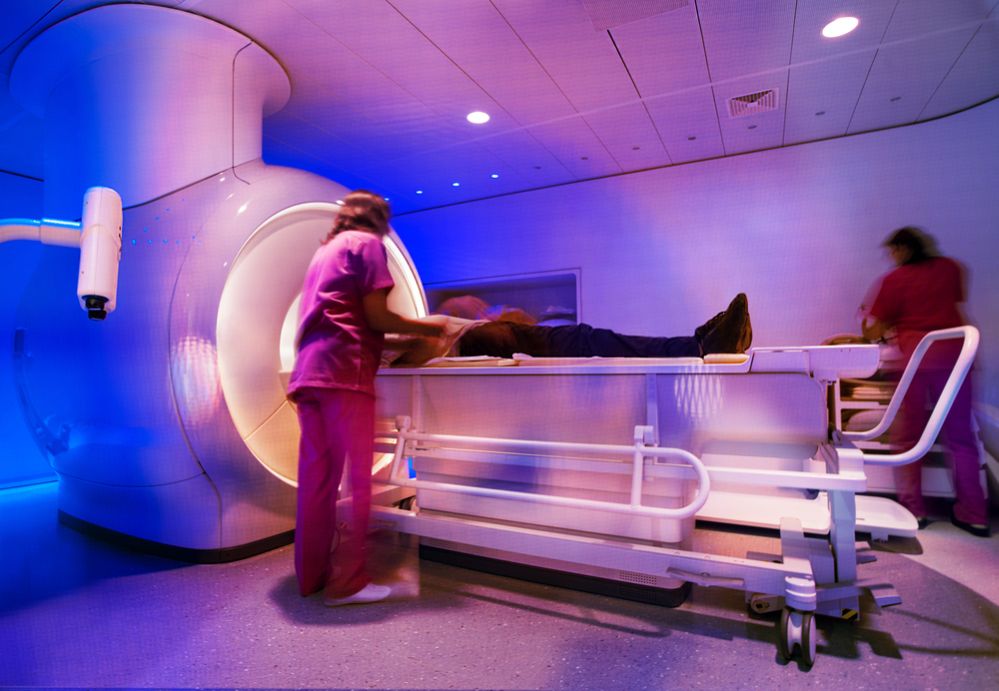
New MRI technique developed by Hebrew University researchers provides users with a molecular map of the brain.

ISRAEL21c article on David Naor’s peptide drew a $5k investment and many reader inquiries. An Israeli biotech company is planning clinical studies.

Tested so far on mice, Dr. Eitan Okun’s vaccine targets amyloid beta protein, which clusters in the brains of people affected by the deadly disease.

A special peptide under development in Israel declares war against chronic inflammatory and neurodegenerative diseases.

Israeli researchers are studying a novel form of protein aggregation that seems to be reversible.

Treatment has potential to improve behavioral and physical problems associated with the disease, Israeli researchers say.

Israeli startup RetiSpec plans to build and begin testing its unique Alzheimer’s ocular scanner in the next 12 months.

Abnormal cell density in the skin of dementia patients is the likely reason that they are more susceptible to wounds such as pressure ulcers.