
The company revolutionizing early Alzheimer’s detection
Neurosteer’s high-tech EEG brain scan enables a fast, automatic, music-driven, audio-guided test people can take during their annual medical checkup.

Neurosteer’s high-tech EEG brain scan enables a fast, automatic, music-driven, audio-guided test people can take during their annual medical checkup.
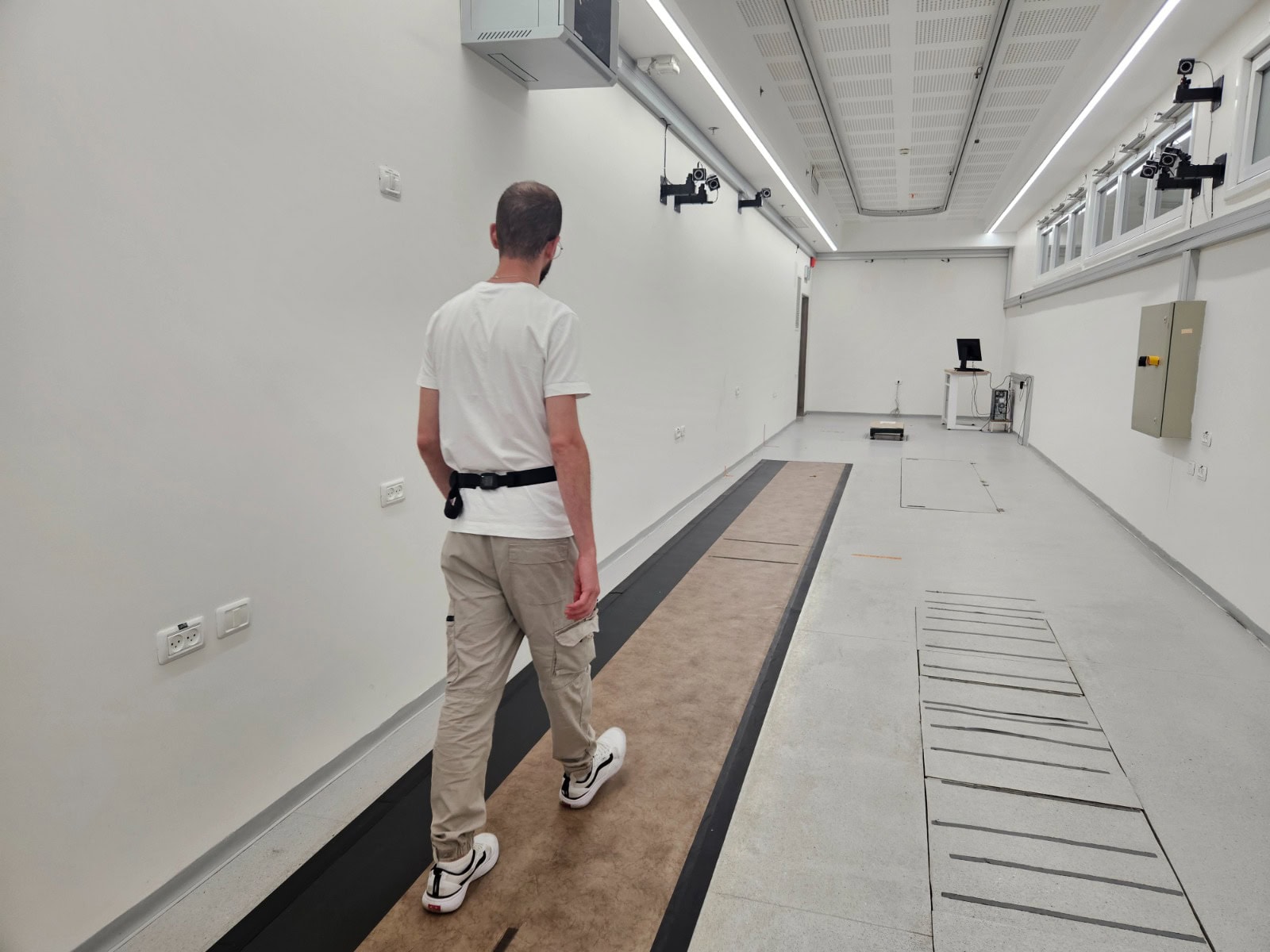
Researchers develop an efficient, convenient wearable solution that will allow for quantifying and collecting data on step length throughout the day.

Researchers have pioneered a novel treatment for early Alzheimer’s disease using nanoparticles activated by weak X-rays to target a protein linked to cognitive decline

Leading Alzheimer’s researchers hope the conference in Tel Aviv will advance cooperation between two countries on finding a cure for the illness.

Technion study finds that a disruption in the protein clearance mechanism in the brain allows for toxins to accumulate, triggering the illness.

Bionaut Labs CEO says in the future illnesses that now seem incurable will be treated by medication delivered straight to the affected organ.
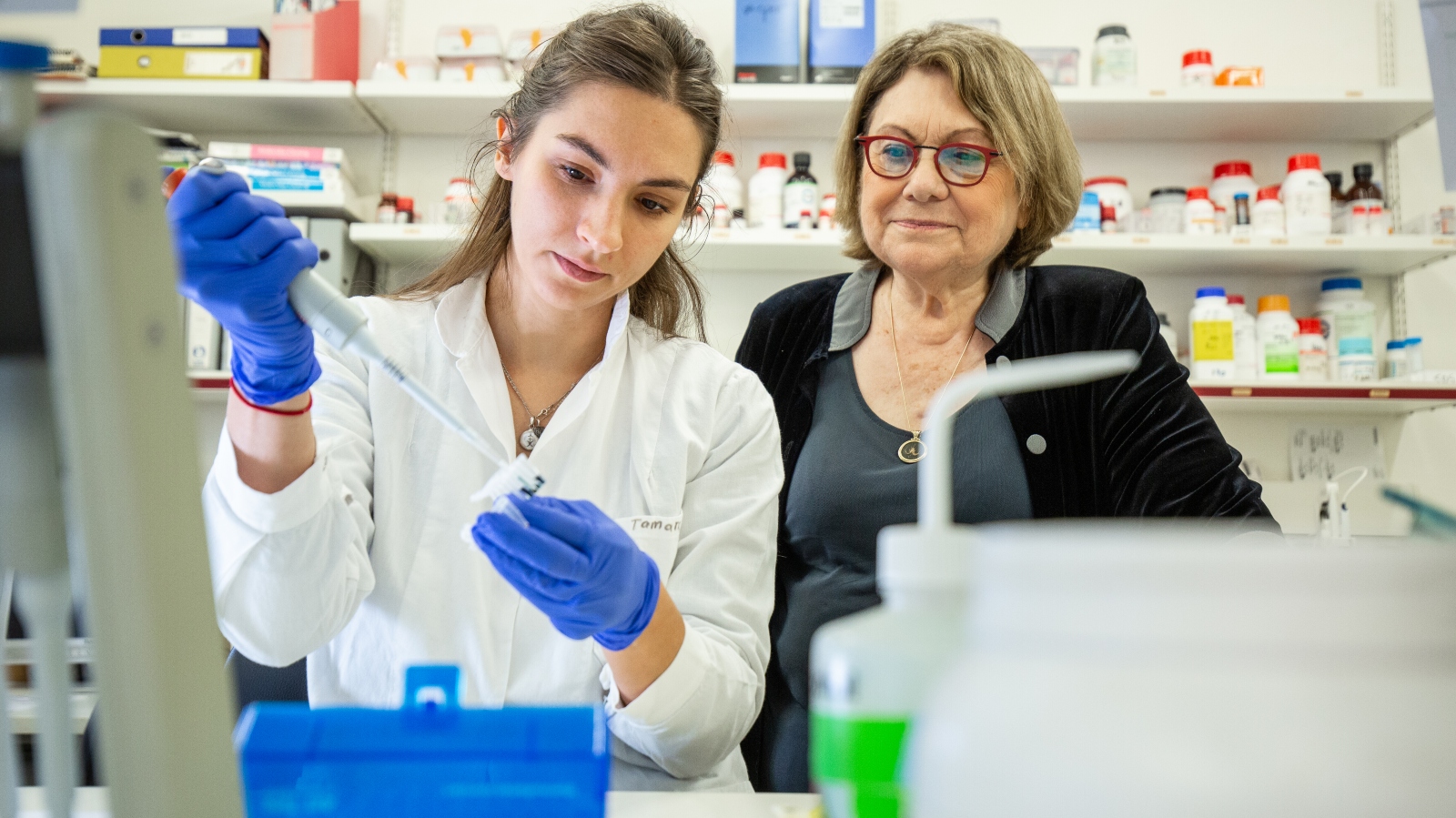
Study reveals sex-specific molecular mechanism leading to accelerated cognitive deterioration in females.

Researchers develop molecule that helps prevent the reduced metabolic mechanism associated with disease, preventing cognitive skill decline in mice.
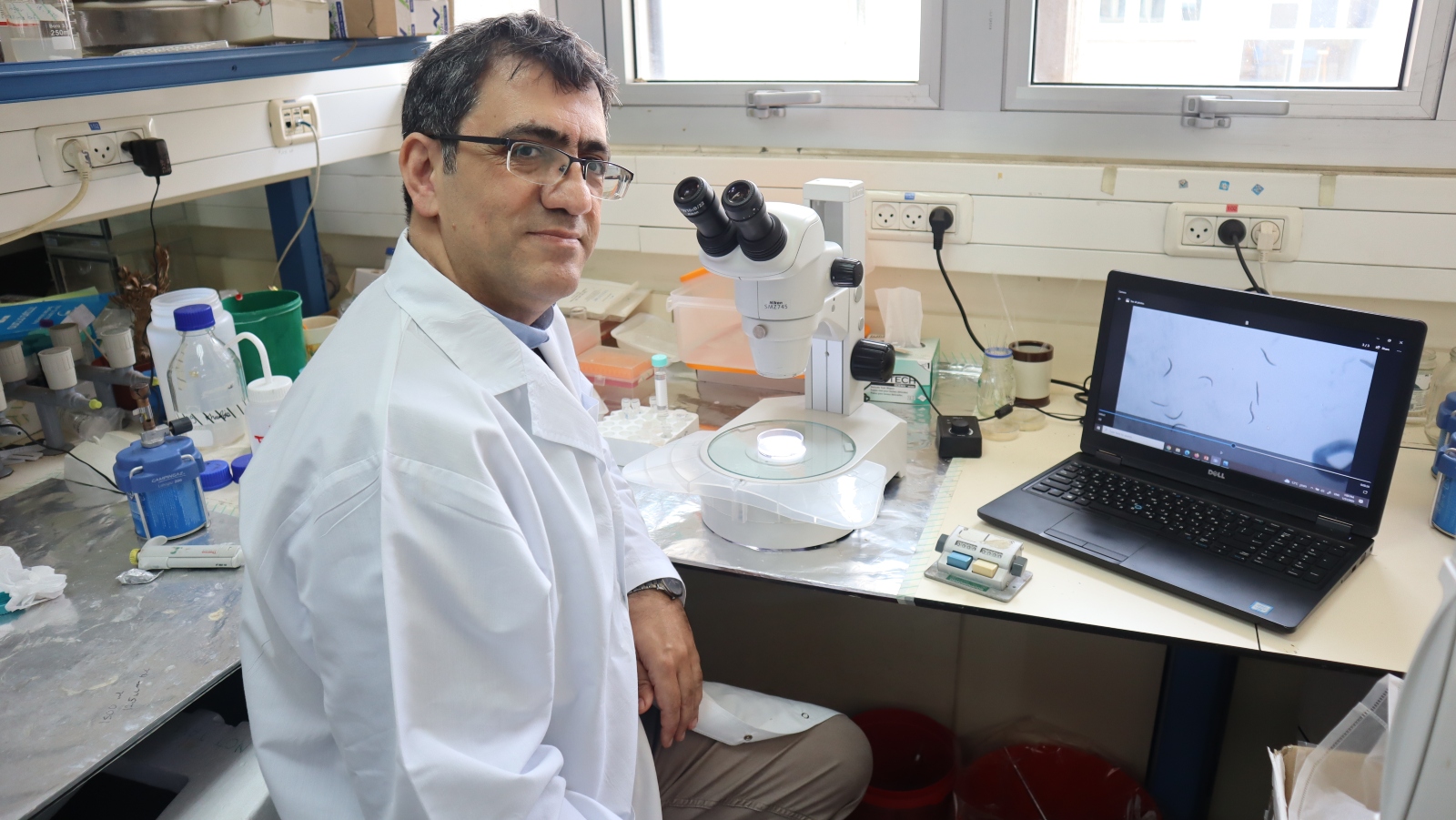
Novel approach proves effective in diagnosing Alzheimer’s in animal models before symptoms appear and preventing progression of the disease.

Molecules that cause a constant renewal of cell vitality could treat or prevent diseases of aging, such as Alzheimer’s and Parkinson’s.
Researchers identify mutations in a gene associated with autism and schizophrenia, which are believed responsible for thousands of cases of autism.

Researchers believe low-arousal states expose failures in a mechanism that regulates stability of brain activity in the early, pre-symptomatic stage of Alzheimer’s disease.
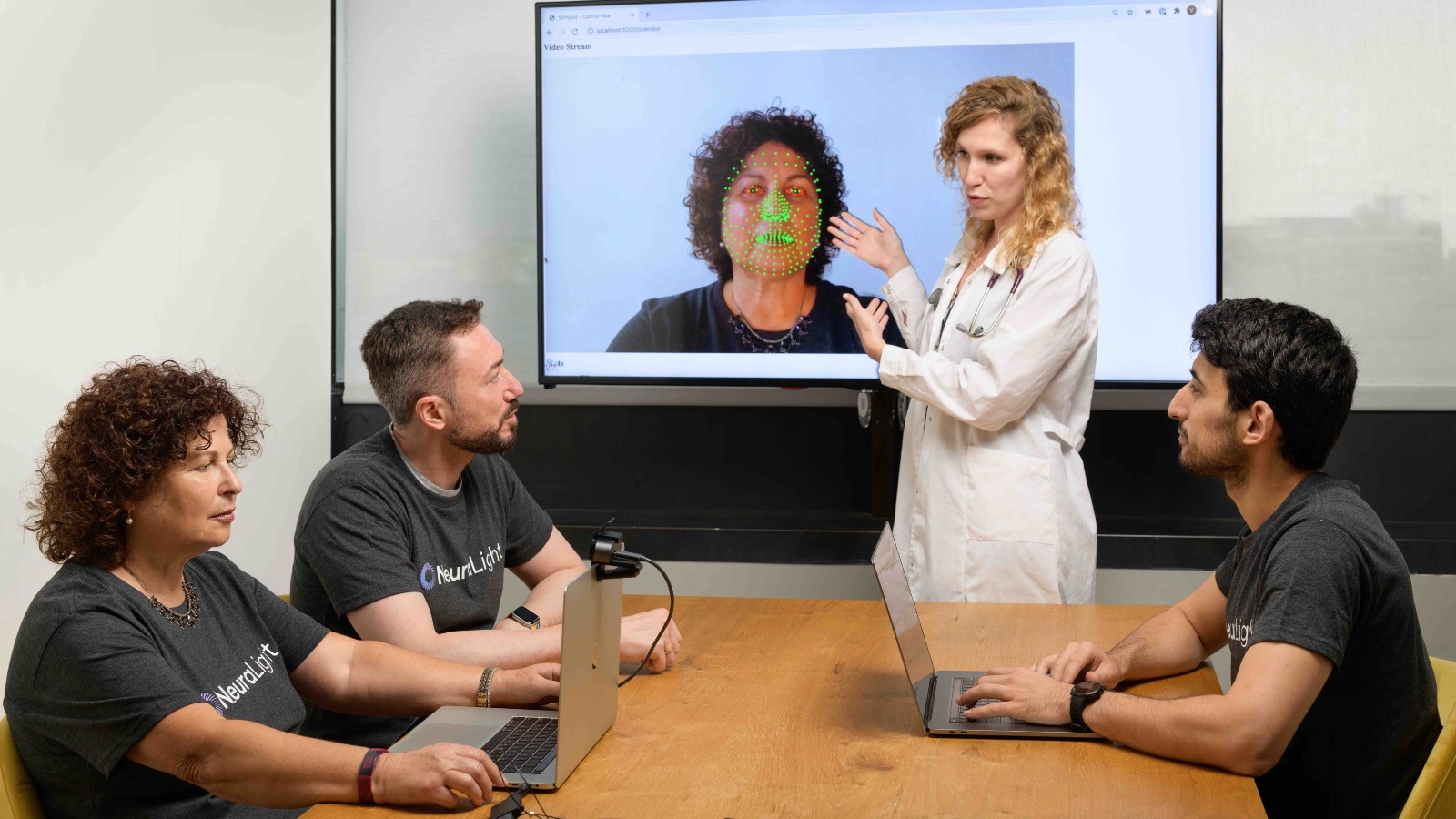
A new AI platform can accelerate and improve drug development, monitoring, and care for neurological disorders using information from the eyes captured via smartphone or webcam.

Analysis of EEG patterns can rapidly diagnose and monitor Alzheimer’s disease, stroke, head injuries and psychiatric conditions.

‘These findings represent real hope that we can stop, and even reverse, the deterioration that until now we considered an inevitable part of aging.’