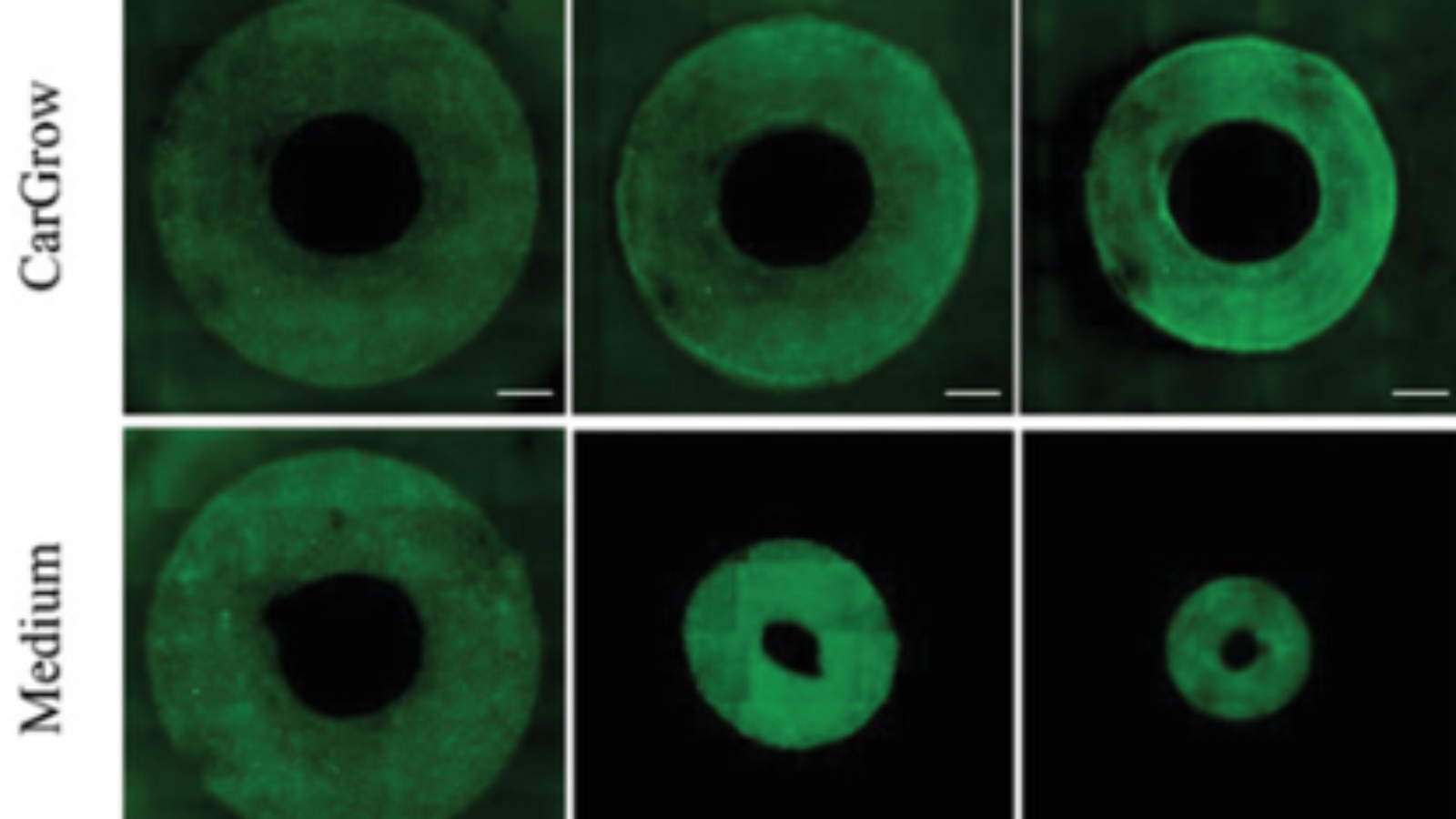
Study shows algae can stop tissue shrinkage in skin transplants
A clear microgel based on red algae enables scientists to control size and shape of printed tissue before its insertion into target organs.

A clear microgel based on red algae enables scientists to control size and shape of printed tissue before its insertion into target organs.

Spirulina innovator SimpliiGood aims to up the fish substitute game with smoked salmon from nutritious, sustainably grown blue-green algae.

An idea inspired by a swim leads to the production of electrical currents on a par with those obtained from standard solar cells.

A family vacation ruined by seaweed results in an international project to create electricity from brown algae.
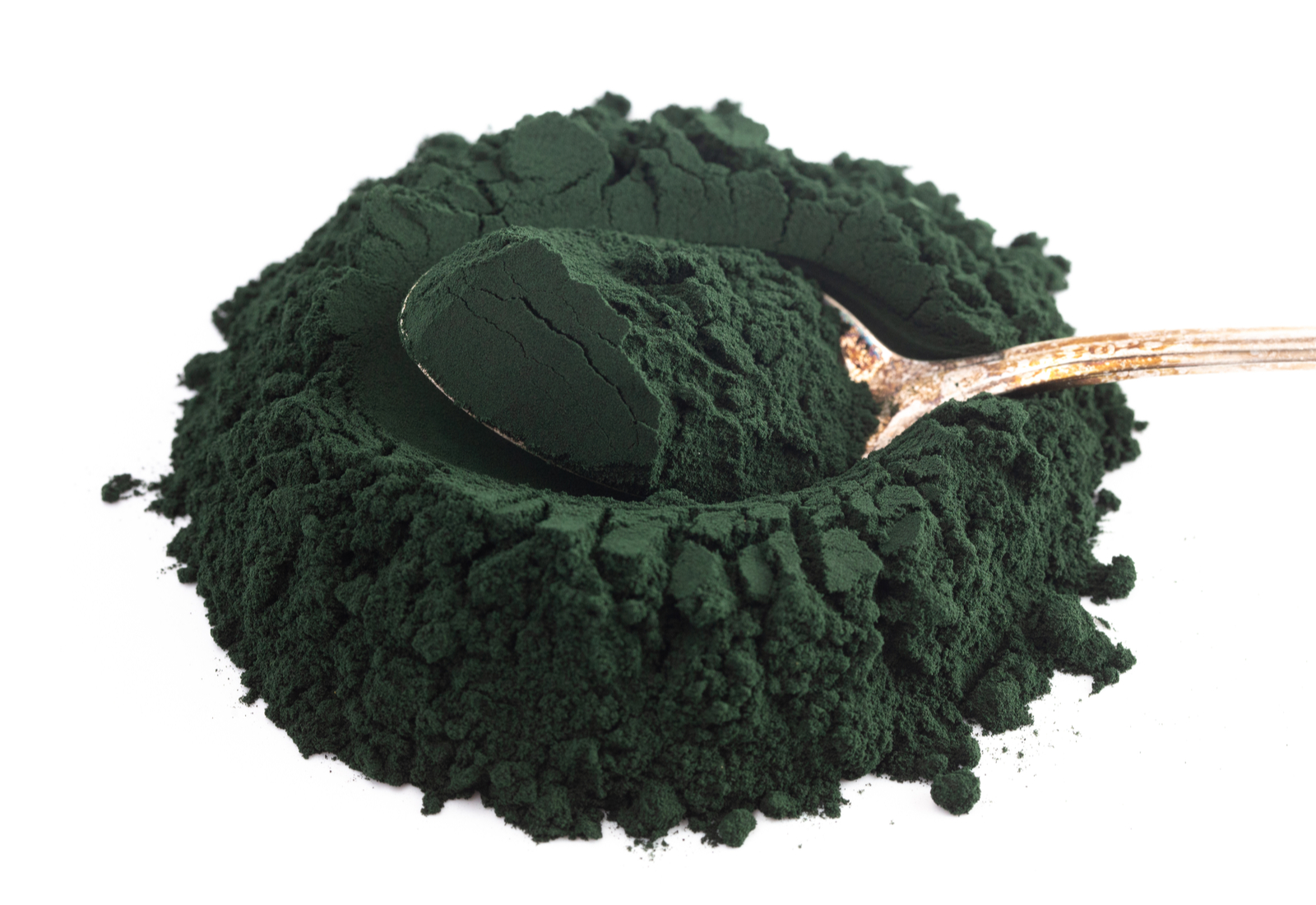
Study finds an extract of enhanced Spirulina reduces by 70% the release of an immune-system protein that causes dangerous cytokine storm in the lungs.

BlueGreen Water Technologies’ Lake Guard Oxy pellets will stop harmful algae blooms in Lake Okeechobee from reaching the state’s waterways.

BlueGreen Water Technologies battles algal blooms that are devastating bodies of water around the globe in a cost-effective, planet-friendly way.
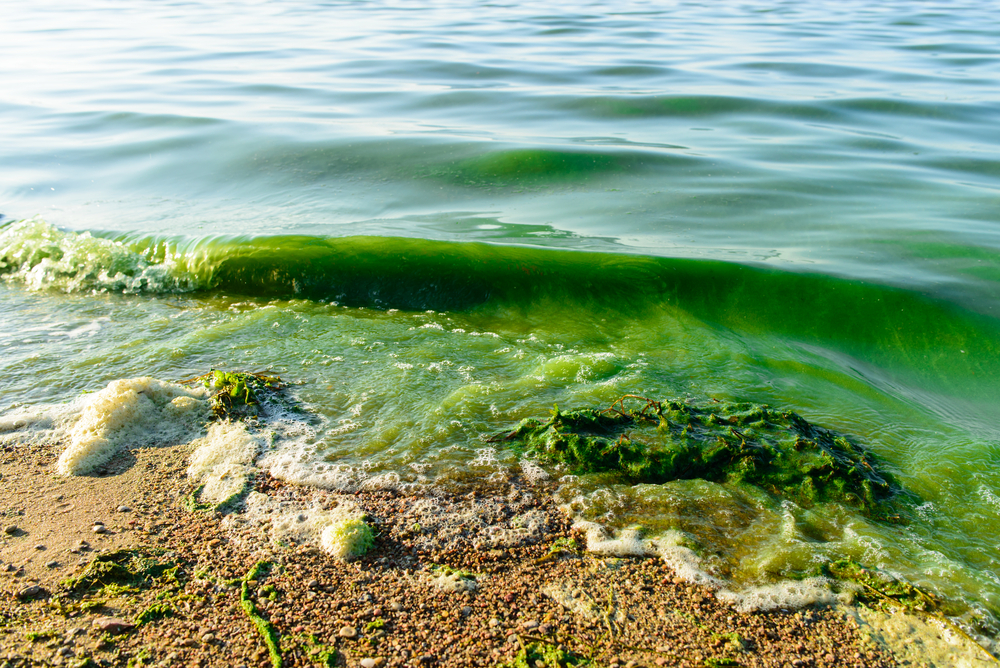
BlueGreen Water Technologies’ solution was distributed into Chippewa Lake to kill the cyanobacteria in the algae bloom without harming the environment.
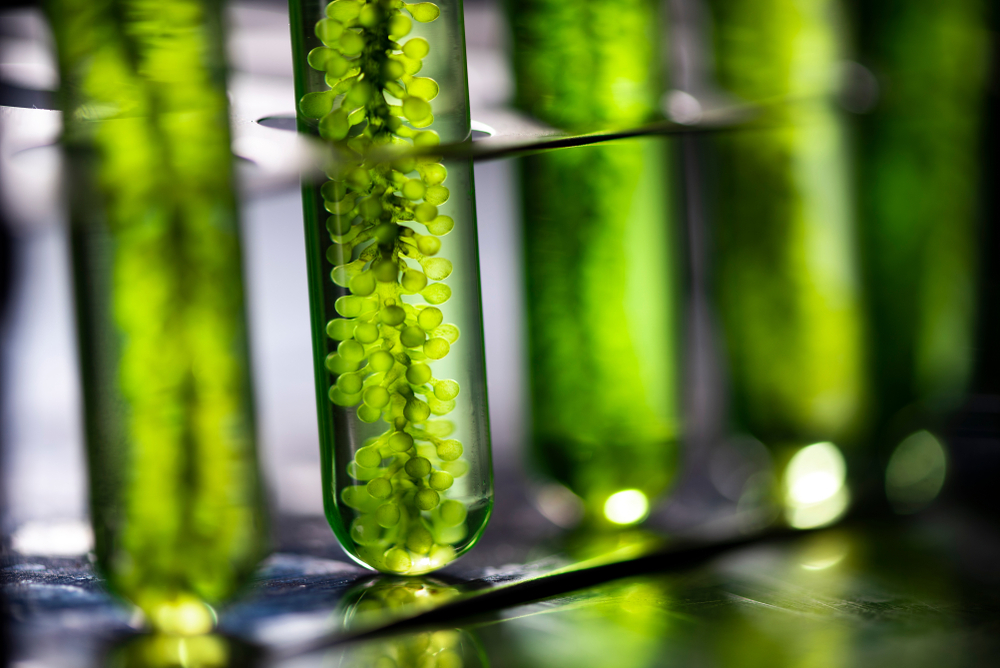
Several Israeli companies are taking advantage of the country’s ideal environmental conditions for algae farming.

Israeli students find a blue-and-white way to help introduce protein-rich algae into daily diets.

Packed with antioxidants, omega-3 oil and protein, algae and microalgae grown in Israel are sought after for everything from deluxe skin-care products to superfood supplements.

Weizmann Institute scientists point to Alma1 redox-sensitive enzyme behind familiar salty seaside odor.
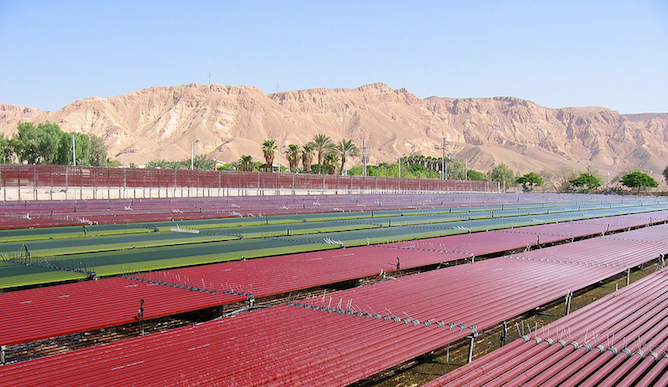
You’ve heard about drip irrigation and cherry tomatoes, but there are hundreds of Israeli technologies changing the world’s farms for the better. ISRAEL21c chooses the top 12.

A nutritional and cosmetic supplement produced at Israel’s Kibbutz Ketura is at the heart of a $50 million international deal.
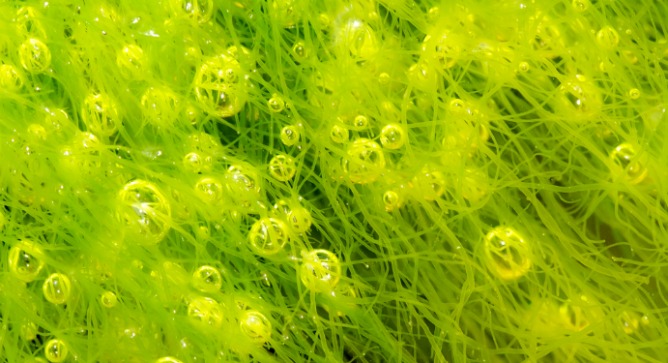
Israeli scientists find novel approaches to tap into the potential of this slimy plantlike organism for fuel, nutrition and innovative medical therapies.