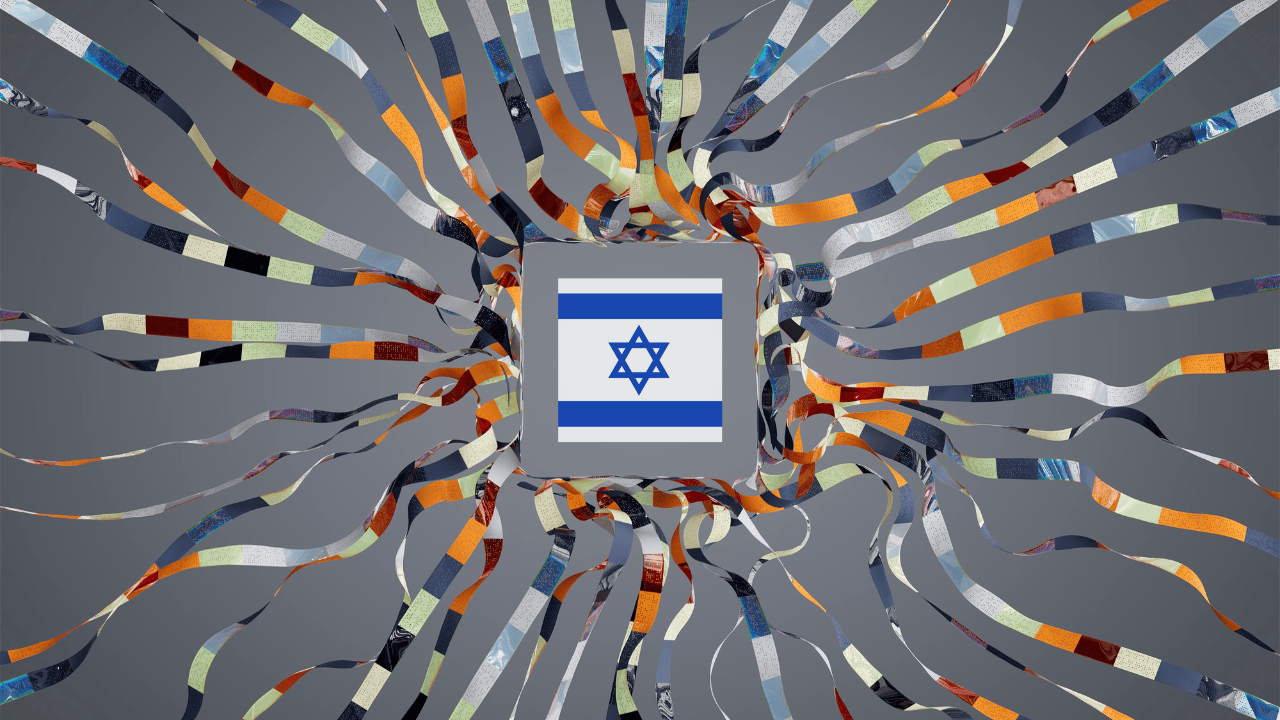
Israel ranks 4th globally in AI advancements
With the highest percentage of AI specialists in its workforce, Israel is putting millions into attracting even more experts.

With the highest percentage of AI specialists in its workforce, Israel is putting millions into attracting even more experts.
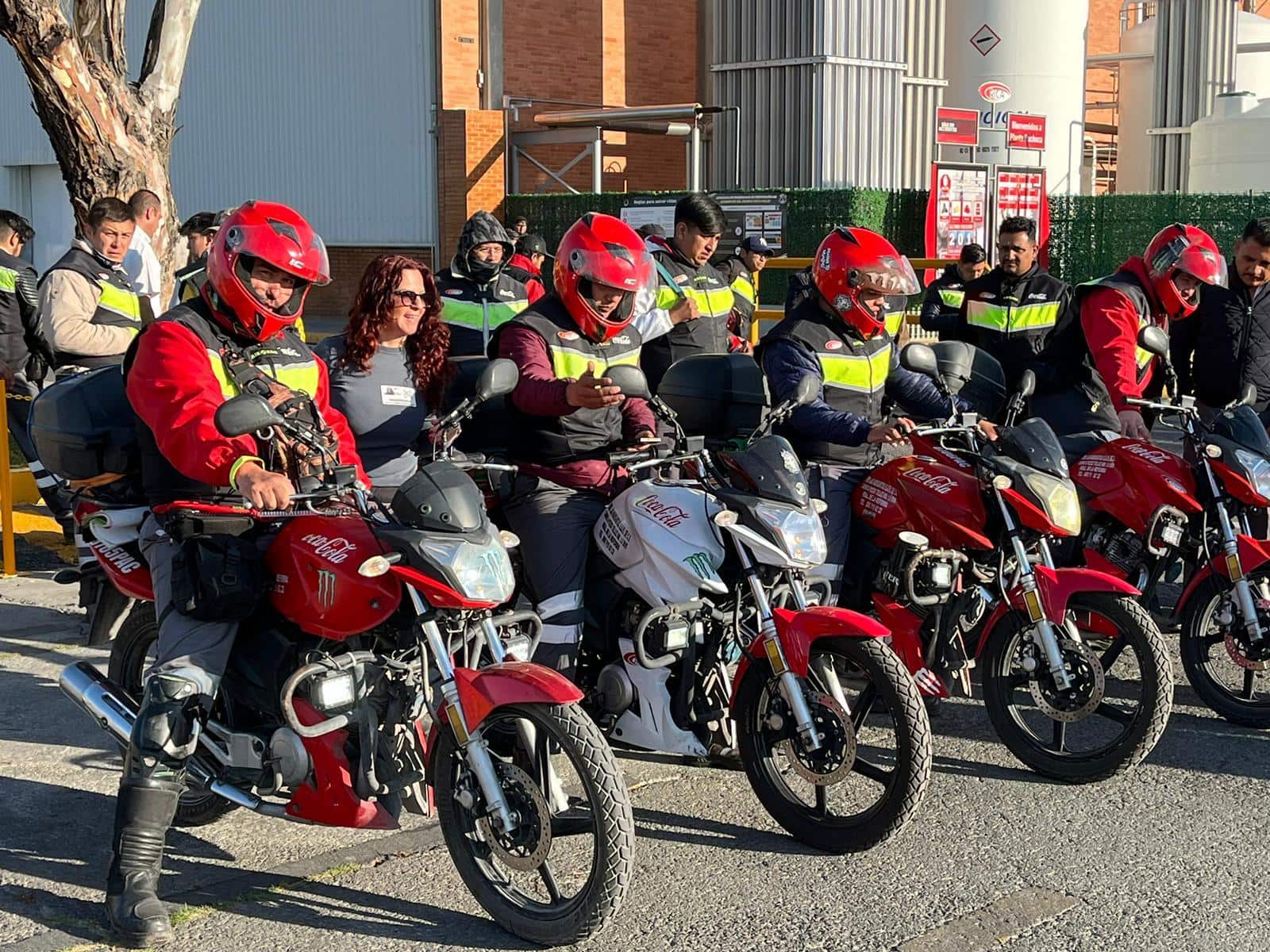
Beeps and flashes warn of critical threats on the road and provides collision alerts, safe distance alerts and blind spot alerts.
Darrow uncovers potentially high-impact mass and class actions involving faulty products, polluting factories, hazardous medicines and much more.

Hi Auto’s AI voice bot, Bo-Linda, will handle customer orders at hundreds of Bojangles drive-thrus with over 95% accuracy.

Revealense recognizes indicators from video clips that help client companies know if a customer is being truthful or not.

RespirAI has developed an AI algorithm that utilizes sensor data from smartwatches or other wearable devices used to monitor chronic patients.

Blink Energy’s tiny device, fitted to one eyelid, monitors and analyzes blink patterns to detect or diagnose a wealth of health conditions.

Israeli startup AccuLine has secured $4.2 million for technology that aims to improve early CAD diagnosis and reduce healthcare costs.
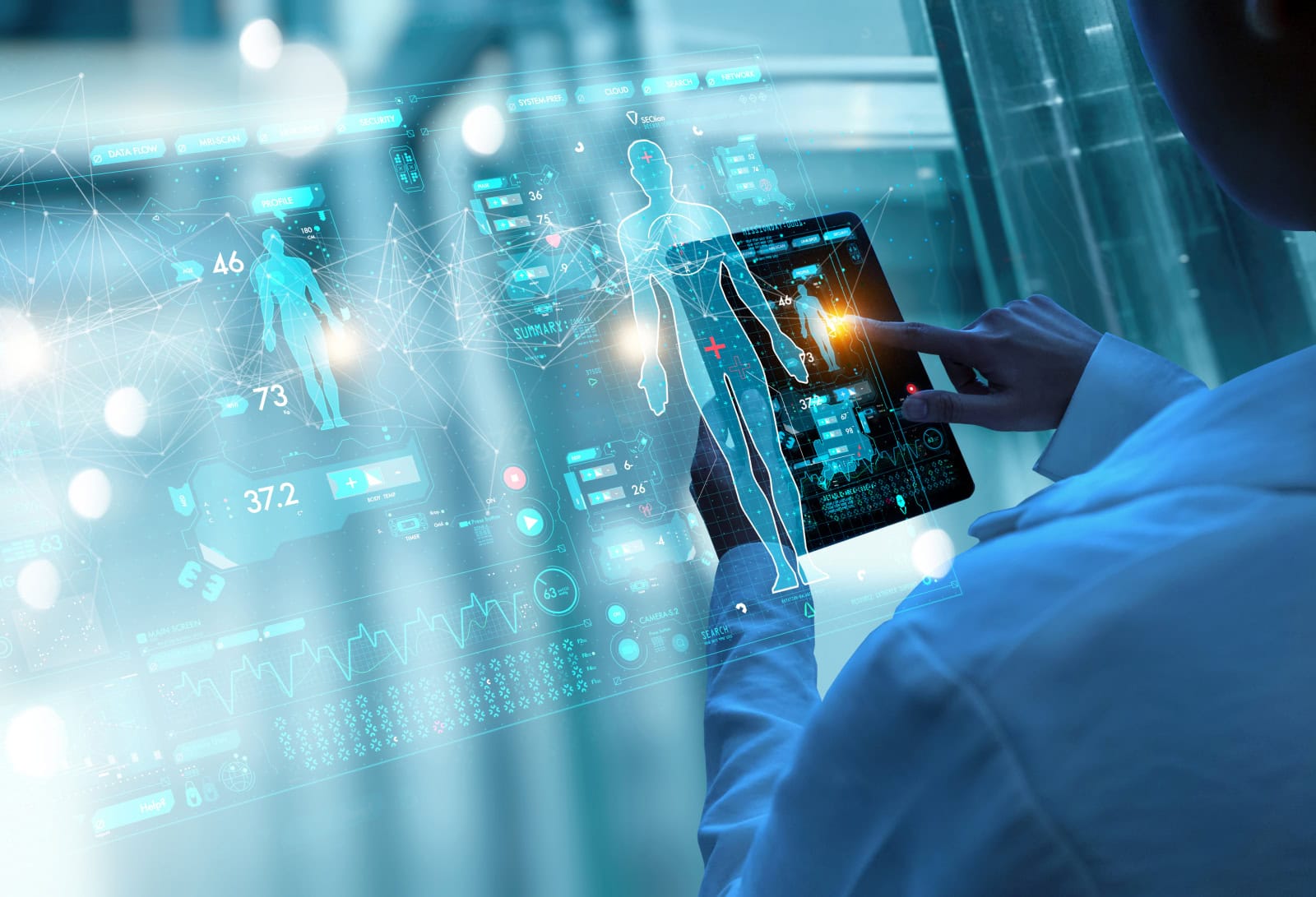
The company aims to reach more biotech and pharma companies, increase the speed and accuracy of drug development and benefit patients.
Inspired by the tech giant’s plant to acquire Wiz.ai, international investors may follow Google back to Israel, according to Innovation Authority’s CEO Dror Bin.
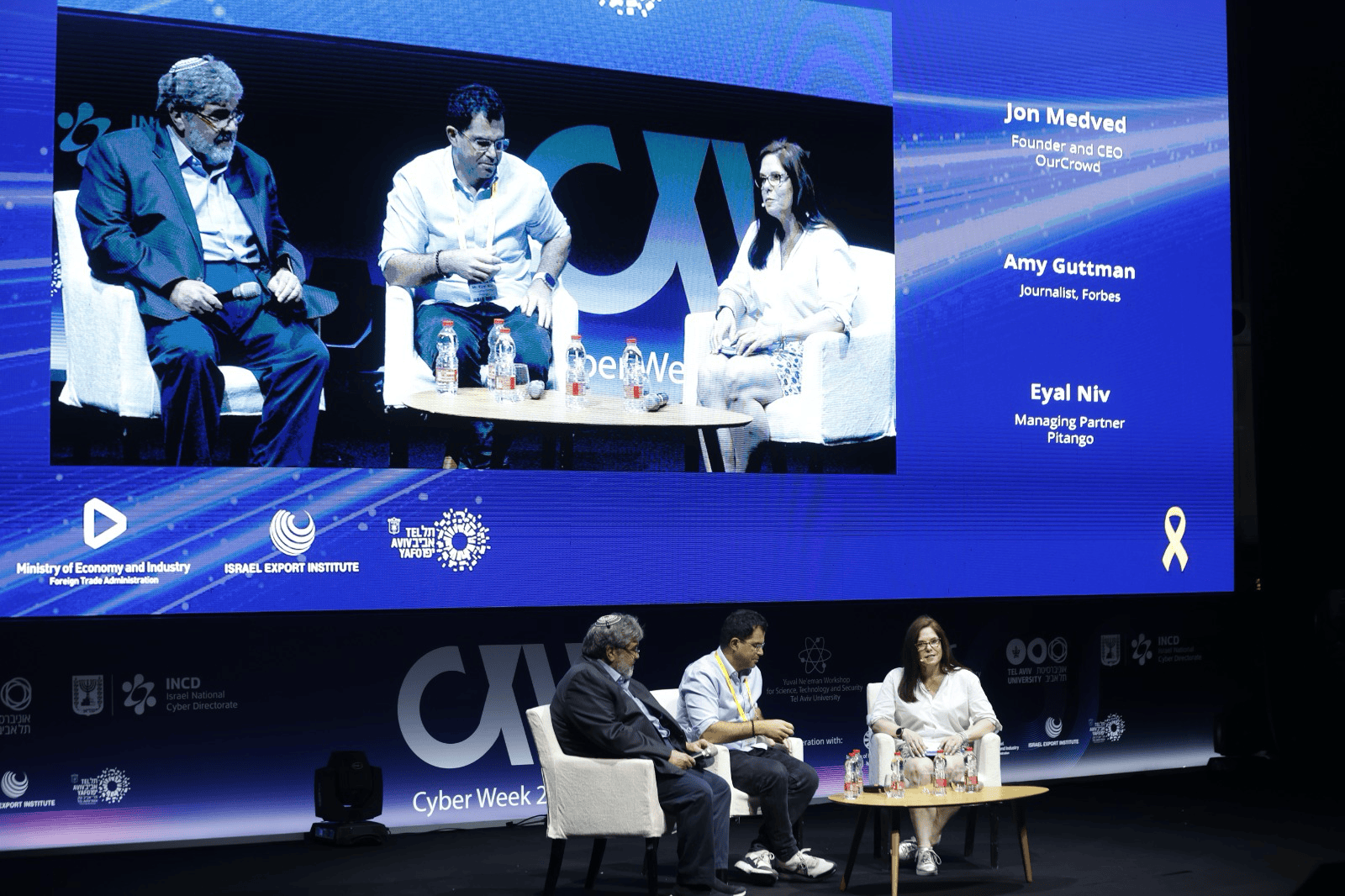
Over nine months into the Gaza war, professionals and a few international visitors are still connecting, building and working to make things happen at a host of AI and cybertech events.

Herzliya-based aiOla’s voice-capture technology beats out more than 5,000 other nominees to take home ‘Best Speech to Text Solution’ trophy.

AI is transforming our lives, but few people understand the cost of this power-hungry industry to our environment, and why keeping it cool is critical to the climate’s health.

Researcher Omer Perry says his team’s study on paramedic behavior during high-stress situations helped them develop a potentially lifesaving algorithm.

The AI algorithm tracks the time drivers spend without touching their phones during each drive, and calculates rewards accordingly.