

The Jewish High Holidays, which encompass Rosh Hashana, Yom Kippur and Sukkot, are particularly meaningful. Many traditions associated with these holidays have become Jewish cultural landmarks.
The holidays in Israel, which begin with Rosh Hashana, attract many tourists. Some arrive to visit relatives and loved ones, while others take advantage of the weather, which is still warm but not as scorching as the summer months, to travel around.
If you are in Israel during the High Holiday season, don’t miss out on these unique experiences available only during this time of year.
Selichot
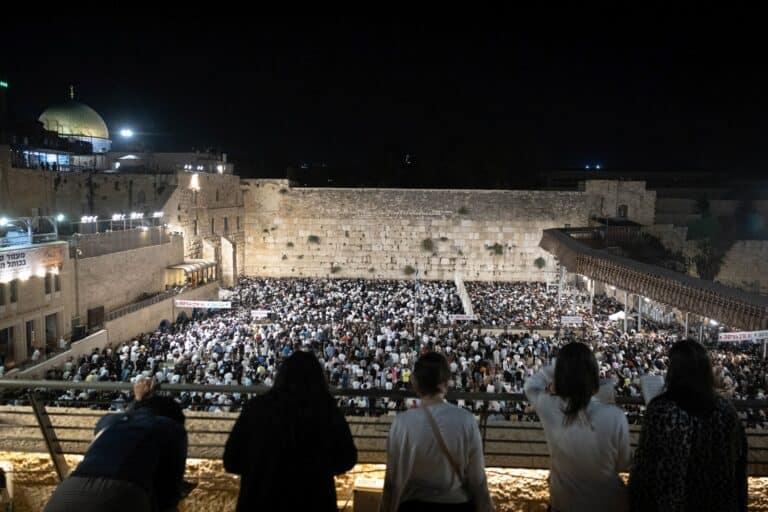
Selichot (penitential) prayers and poems are normally recited during the month or week preceding Rosh Hashana, continuing until Yom Kippur. Many Jewish ethnic communities set the liturgy to traditional melodies that draw large gatherings of worshippers and onlookers.
You can join a Selichot tour through the alleyways of Jerusalem’s Old City from September 7-23. Tours usually last over two hours, during which tourists hear stories connected to the holiest time of year on the Jewish calendar and enjoy High Holiday religious music.
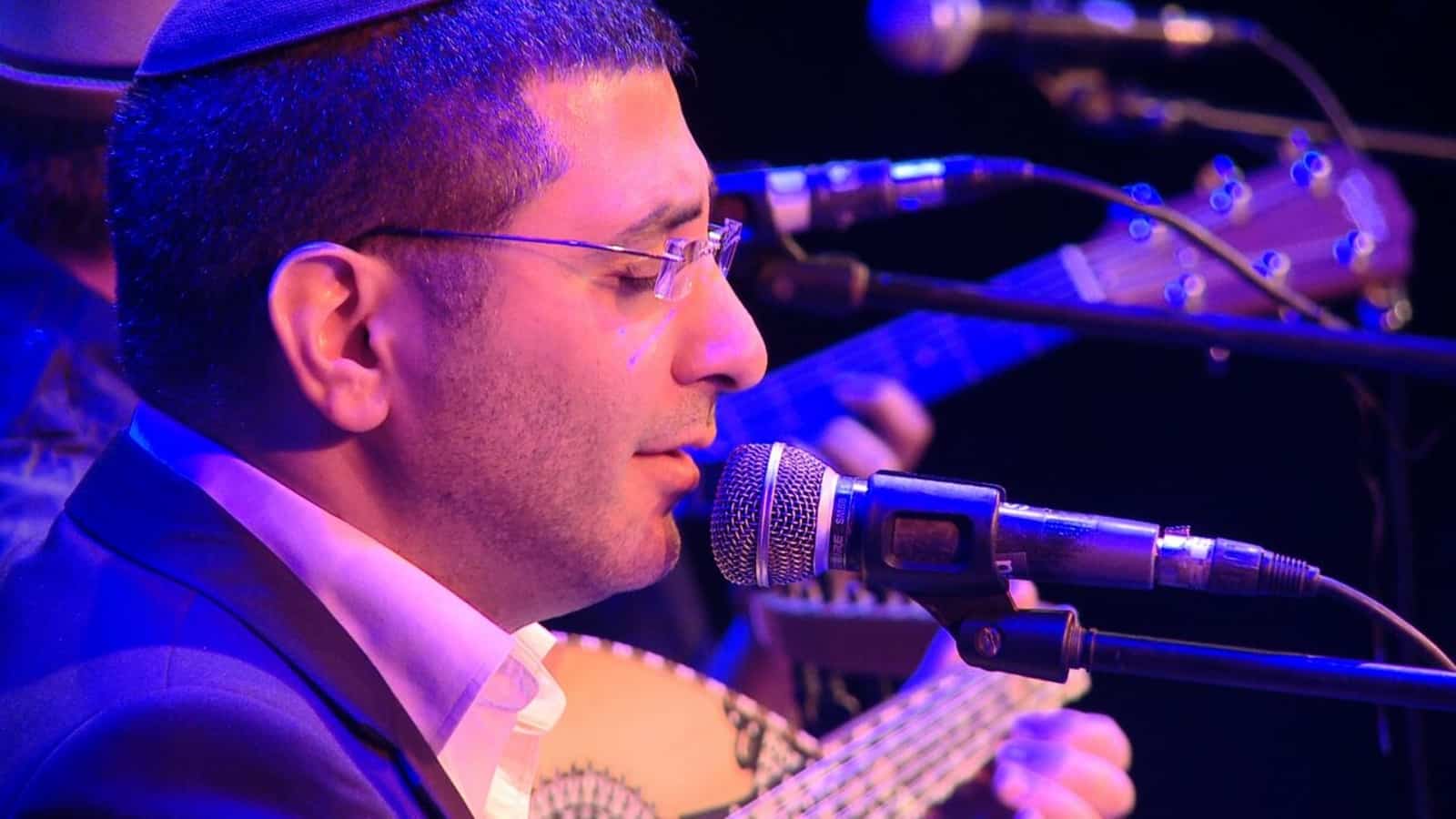
There are also Selichot concerts during this time of year. Book a ticket for the Selichot concert of the Israeli Andalusian Orchestra, which performs from September 10-21 all around the country. Or, attend a show at Jerusalem’s Mitchell Park (Sultan’s Pool) on September 19 or 23, featuring Israeli pop stars. The same show will play at Caesarea Amphitheater on September 20. Another Slichot concert, featuring poems of A.B. Yehoshua, will take place at Jerusalem’s Confederation House on September 12.
For people with hearing impairment unable to participate fully in Selichot tours, the Tower of David Jerusalem Museum is offering guided tours in international sign language in honor of the International Day of the Deaf, which this year takes place on the eve of Yom Kippur. The two-hour tours will run from September 11 to 24, encompassing the museum’s new exhibition rooms, moat, excavations from the time of the Second Temple 2,000 years ago, the Phasael Tower overlooking the Old City, and finally the Western Wall (information: education@tod.org.il).
Tashlich
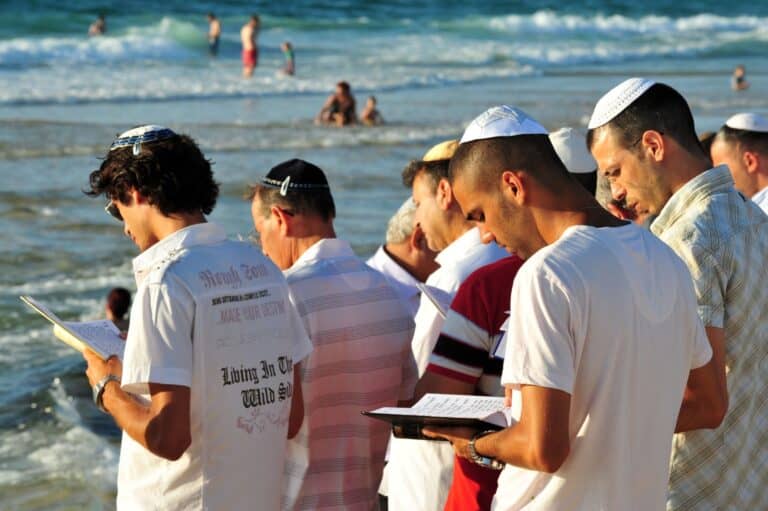
Tashlich, which translates as “cast away,” refers to the customary ritual of symbolically casting sins into a natural body of water on the first day of Rosh Hashana, while reciting special prayers.
The sight of hundreds of Jews praying beside lakes and seas in a spiritual event is an unforgettable experience that can only be witnessed on High Holidays.
Empty streets on Yom Kippur
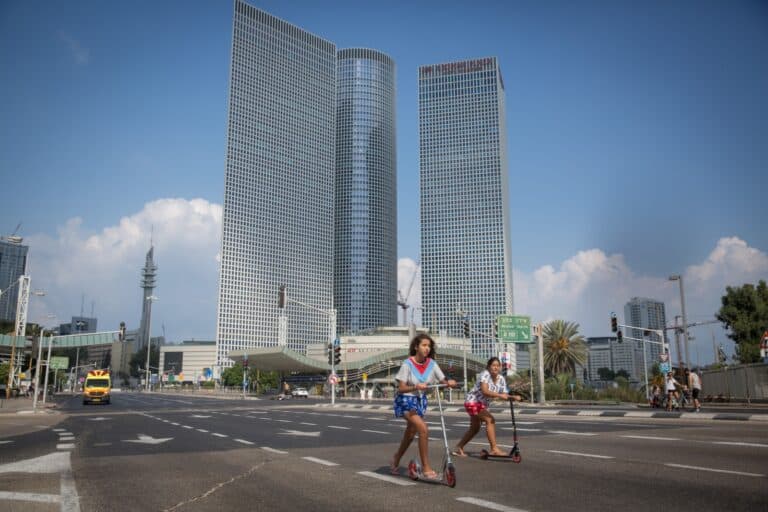
One of the most unique experiences of the High Holidays is the eve of Yom Kippur in Israel, known as Day of Atonement, the holiest day in the Jewish calendar.
Nowhere else in the world can one witness streets slowly empty of all cars as the sun goes down until not a single vehicle is in sight.
For the next 25 hours, many Israelis spend the day in fasting and prayer. Others take advantage of vehicle-free streets to cycle, scooter, skateboard, roller skate and walk freely in the smallest of alleyways to the widest of highways. If you want to celebrate the high holidays like a true Israel — don’t miss out on this experience.
Birkat Kohanim (Priestly Blessing)
Every day in Israeli synagogues, men descended from the biblical Aaron the High Priest bless the congregation. This is called birkat kohanim, the priestly blessing.
Twice a year, on the intermediate days of Sukkot and Passover, there’s a mass birkat kohanim at the Western Wall attended by tens of thousands of kohanim and worshippers. The awe-inspiring experience is well worth participating in at least once in your life.
Make sure to bring food and water to stay hydrated. Wear modest clothing and don’t park anywhere near the Western Wall to avoid crowds and extreme traffic congestion. Public transportation is recommended.
Follow the Western Wall’s official website for updates about the time and date of this Sukkot’s Birkat Kohanim timetable.
Feast of Tabernacles
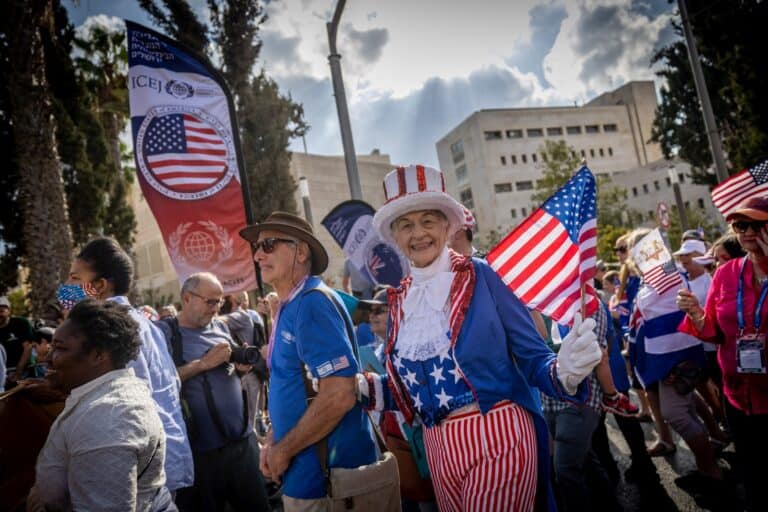
Here’s a fun fact about the high holidays in Israel you may not know. Each year, thousands of Christian pilgrims from across the world take to the streets of Jerusalem for the Feast of the Tabernacles (Sukkot) celebrations.
The event began in 1955 and attracts primarily evangelical Christians, marching and dancing in colorful clothing along the Jerusalem streets as local residents cheer from the side.
Samaritan Sukkot
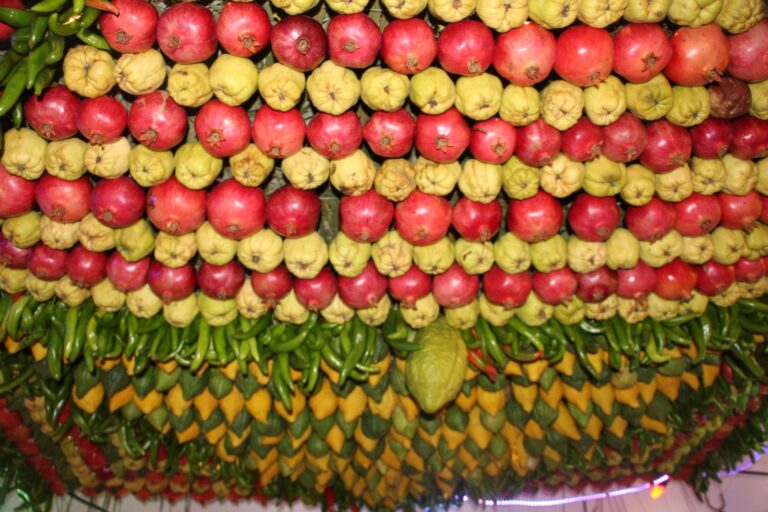
The Samaritans identify themselves as descendants of the Israelite tribes of Efraim and Menashe. While most of those tribes were exiled by the Assyrians in 722 BCE, the Samaritans have been here continuously for some 127 generations.
Their community in Israel numbers a little over 800 people. Half of them live in a village at Mount Gerizim, near the Palestinian Authority city of Nablus, and the rest in Holon in central Israel.
On Sukkot in Israel, the Samaritan community fashions fascinating indoor sukkot decorated with symmetrical lines of fruit. If you can get yourself invited to a home of a Samaritan, it would no doubt become the highlight of your Israel trip.
Country fair

Mevo Modiim Country Fair takes place every Sukkot at the small Mevo Modiim moshav (aka “Israel’s Woodstock”) in central Israel.
You’ll find live performances of Jewish music, children’s entertainment, and dozens of booths offering food, jewelry, clothing, books and even holistic treatments.
Live shows
Quite a few concerts are staged during the High Holidays, when many tourists are visiting and many Israelis are on vacation.
If you’re in the mood for some live music, grab yourself tickets for the annual Tamar Festival, taking place October 2-6. This year, the festival features some of Israel’s biggest pop stars, such as Omer Adam and Hanan Ben Ari, as well as Israeli rock royalty like Aviv Geffen and Berry Sakharof.
Alternatively, you can try to get tickets to one of the two shows set to be played by international music star Bruno Mars on October 4 and October 7, at Yarkon Park in Tel Aviv.
Food
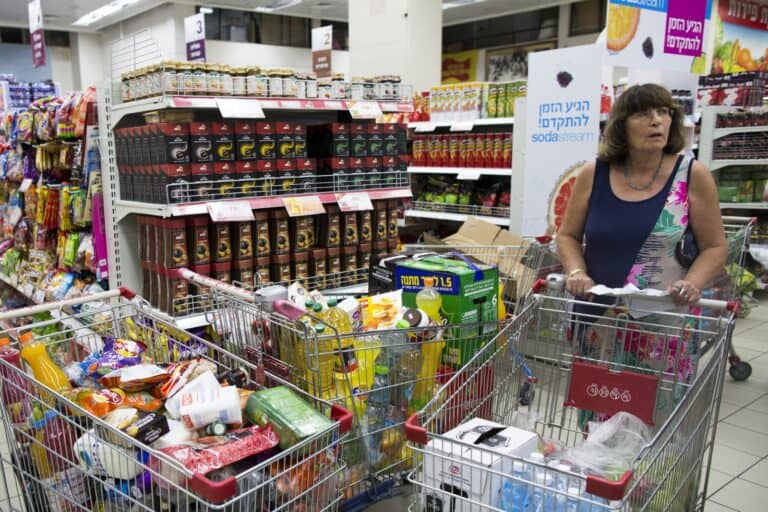
Food is an integral part of the Jewish holiday experience, and one of the sure signs that its holiday season is Israel is the hustle and bustle that comes with the spirit of preparing festival meals. Days before Rosh Hashana, Israelis begin to scramble around supermarkets, looking for ingredients for special dishes to impress their relatives and neighbors around the dinner table.
The High Holidays this year begin on September 15 with Rosh Hashana and end on October 6 with the last day of the weeklong festival of Sukkot.